


For homeowners with solar panels, adding a battery might seem like the next logical upgrade. But a popular Reddit thread showed that in many parts of the United States, the math is a lot more complicated.
What's happening?
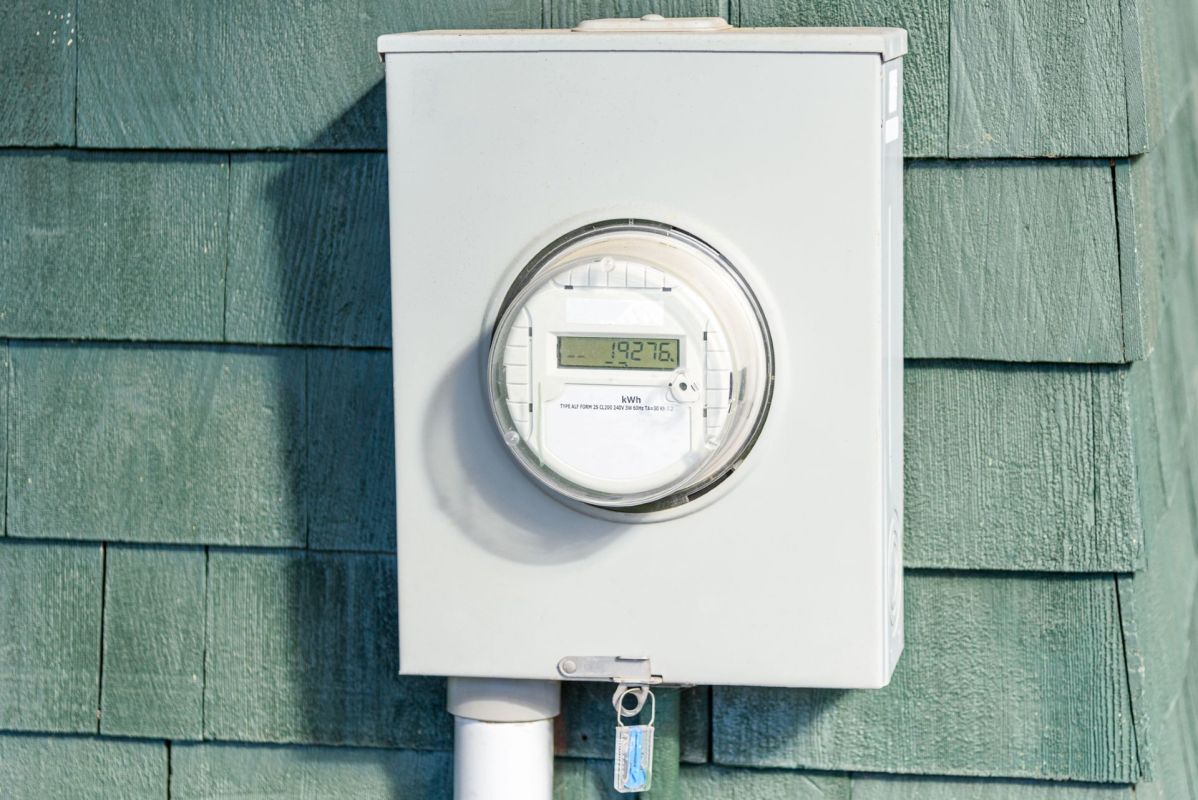
In some cases, people with strong net metering policies may find that the utility is already doing the battery's job for free. A homeowner on r/solar asked whether a battery would provide any real benefit for a 9.6-kilowatt solar setup that already produces extra power every month.
According to the post, their utility uses monthly net metering without rollover and pays only about 1 to 3.5 cents per kilowatt-hour for excess generation.
That led to the key question: If the grid is already offsetting daytime production against nighttime use, why pay thousands more for a battery?
Why does it matter?
Commenters said the answer depends almost entirely on local utility policy.
Several pointed out that areas with true 1-to-1 net metering credit exported solar at the same retail price customers pay. That can make batteries much harder to justify financially unless backup power is a top priority.
TCD Picks » Quince Spotlight
💡These best-sellers from Quince deliver affordable, sustainable luxury for all




Others noted that this is no longer the norm everywhere. According to one commenter, roughly 20 states still have "true" net metering, while many others have shifted to lower-value "net billing" arrangements.
California came up repeatedly, with commenters saying the state's NEM 3.0 setup makes batteries much more valuable because exported solar can be credited closer to wholesale levels.
"All of California is under a net metering policy that makes solar economically unfeasible without a battery," a user opined, maybe with a tinge of hyperbole.
This is the kind of policy detail that can change a home energy investment by thousands of dollars. If your utility gives you full retail credit for extra solar power, a battery may provide little day-to-day savings because the grid effectively acts as free storage.
But if your utility pays just a few cents per kilowatt-hour for exports while charging 20 to 30 cents or more when you need electricity at night, the equation flips. In that case, storing your own daytime power could help you avoid buying expensive evening electricity.
That's why battery payback can vary so dramatically from one ZIP code to another. For consumers, the takeaway is that the value of solar isn't just about sunlight. It's about the rules your utility uses to value that sunlight, and your own personal judgment on how much a backup power source matters.
However, in areas where blackouts are common during extreme weather events or due to outdated local infrastructure, a battery can keep the lights on and essential appliances running when the grid goes down.
What can I do?
If you're thinking about a battery, the first step is to check your utility's export credit, time-of-use rates, and whether credits roll over month to month. Those details can tell you whether a battery could save you real money or just add cost.
For some households, the smartest move may be solar alone. For others, especially in low-credit or time-of-use markets, a battery could be the piece that finally makes the numbers work.

Get TCD's free newsletters for easy tips, smart advice, and a chance to earn $5,000 toward home upgrades. To see more stories like this one, change your Google preferences here.






