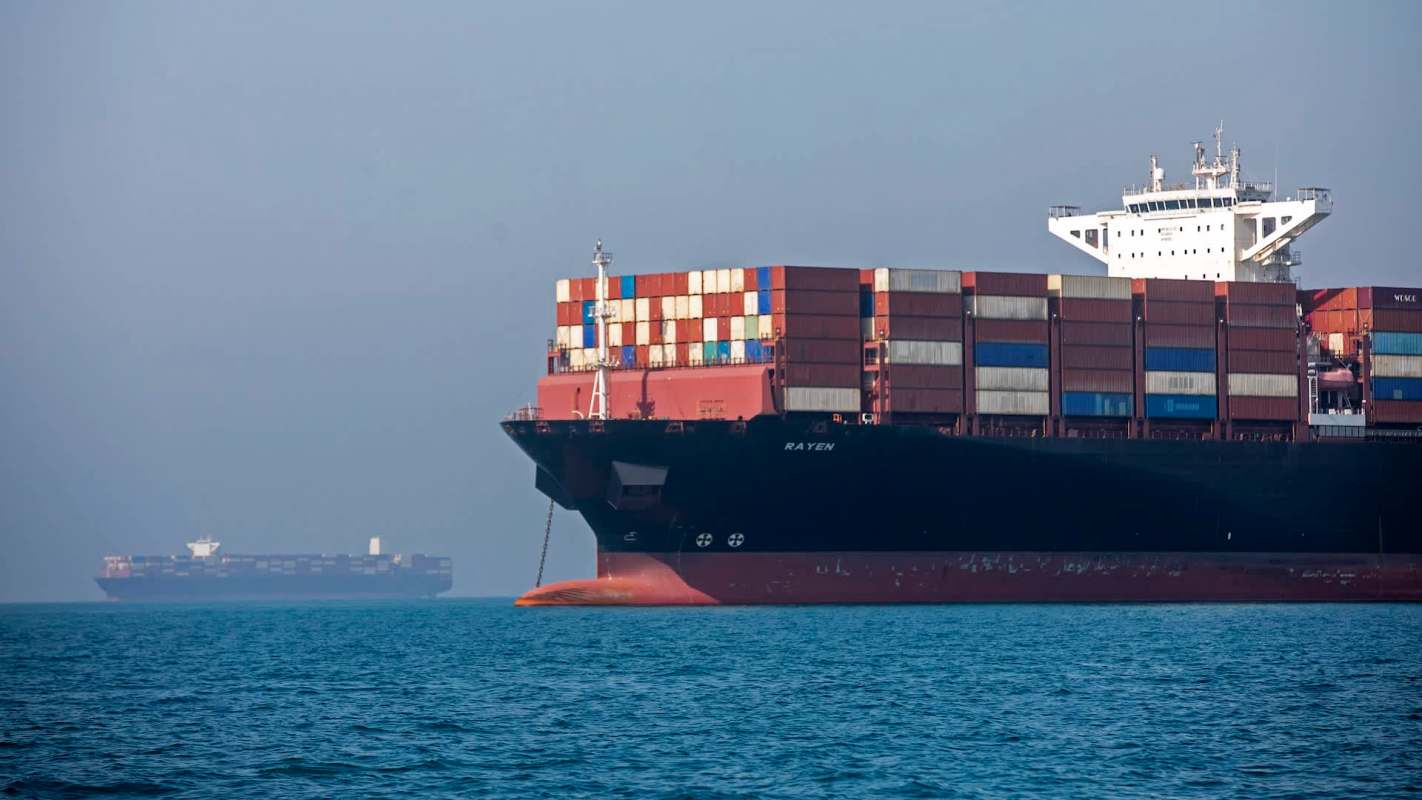
Iran's growing focus on subsea internet cables in the Strait of Hormuz is setting off alarms beyond the Middle East.
After using the waterway to create wartime leverage, Tehran is now signaling that it wants to levy charges on undersea cable links moving huge amounts of internet, financial, and cloud traffic between Europe, Asia, and the Persian Gulf.
What's happening?
Iranian lawmakers recently discussed charging submarine cable operators for lines passing through the Strait of Hormuz, according to CNN. An Iranian military spokesperson wrote on X that the country would "impose fees on internet cables." At the same time, Iranian media suggested that companies such as Google, Microsoft, Meta, and Amazon would need to follow Iranian law.
CNN further noted that some state-linked outlets have also hinted that companies that do not comply could face disruptions.
There are major questions about how serious the proposal is and if Iran can enforce it. United States sanctions sharply limit payments to Iran, which could make compliance difficult or impossible for many companies. It is also unclear whether cables linked to major tech firms pass through Iranian waters.
Why is this concerning?
Subsea cables are critical infrastructure since they carry most of the world's internet and data traffic. These lines support banking, stock trades, cloud computing, military communications, artificial intelligence tools, remote work, and everyday messaging.
TCD Picks » Good Store Spotlight
Get 10% off your next purchase with code TCD10




Cable operators have mostly steered clear of Iranian waters for years, routing systems instead through a narrow corridor closer to Oman because of security concerns, according to CNN. But Alan Mauldin, research director at TeleGeography, said two systems — Falcon and Gulf Bridge International — do pass through Iranian territorial waters.
Mostafa Ahmed, a senior researcher at the Habtoor Research Center, warned that a major strike on the region's underwater communications infrastructure could trigger severe disruptions across several continents.
Repairing submarine cables during a conflict is also extraordinarily difficult. Fixing them requires specialized ships to remain in one place for long periods, which is dangerous in a war zone. Mauldin told CNN that just one of the five maintenance vessels that usually serve the region remains inside the Persian Gulf.
The global economy still depends on a small number of vulnerable chokepoints for data and energy sources. In places like the Strait of Hormuz, that dependence on oil and gas leaves the world exposed to conflict, price spikes, and infrastructure threats.
TCD Picks » Quince Spotlight
💡These best-sellers from Quince deliver affordable, sustainable luxury for all




Tehran's rhetoric appears designed to underscore exactly that leverage. As Bloomberg Economics' Dina Esfandiary told CNN, the strategy is to impose such a high potential cost on the global economy that rivals think twice before escalating.
What's being done about this?
For now, internet networks are built with some redundancy. When a cable is cut, operators can often reroute traffic, reducing the impact of isolated incidents. Because many cable owners already tried to avoid Iranian waters, Tehran's reach is more limited than it might otherwise be.
Reducing the power of chokepoints like the Strait of Hormuz means reducing dependence on the systems that make them so economically explosive in the first place. That includes speeding up cleaner energy deployment, modernizing electric grids, and expanding energy storage.

Get TCD's free newsletters for easy tips, smart advice, and a chance to earn $5,000 toward home upgrades. To see more stories like this one, change your Google preferences here.