


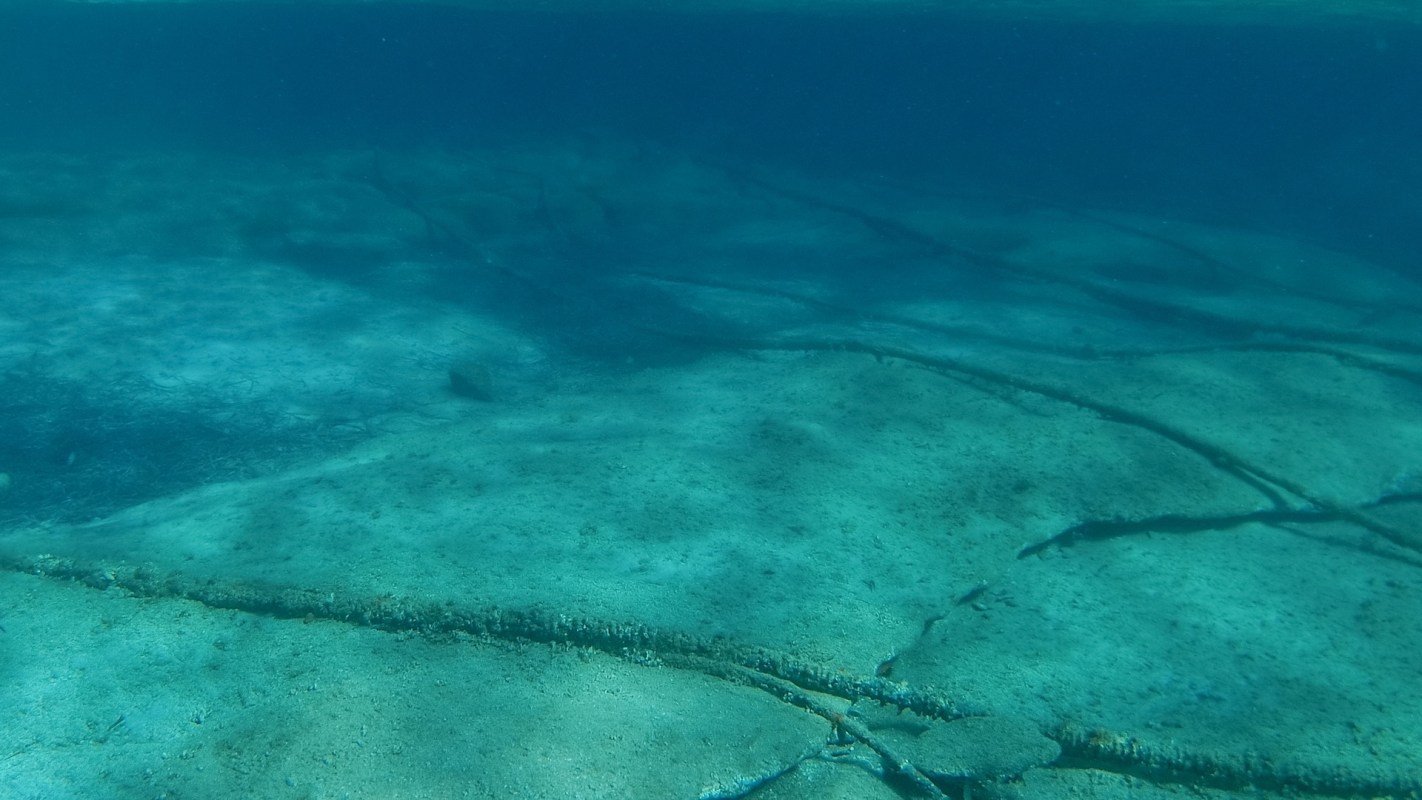
The next looming security threat could be sitting at the bottom of the ocean floor.
As Reuters reported, Republican Senator Jim Risch, the chair of the Senate Foreign Relations Committee, has raised concerns over the security of submarine communications cables.
"To end undersea sabotage, we need to call it out when it happens and say publicly who did it, if possible," read Risch's prepared remarks obtained by Reuters. "We also need a concerted international effort to improve the resiliency of undersea infrastructure and prevent or mitigate the impact of these attacks when they happen."
The hearing shed light on an increasingly pressing issue, especially regarding potential moves by Russia or China. Some 99% of international internet traffic goes through these cables, making them a potential target for disruption.
The Guardian reported that after two cables in the Baltic Sea were cut in 2024, Finland and Germany suspected foul play, potentially from Russia.
In December, Norway and the U.K. said they had caught Russia eyeing cables in the North Atlantic, as EuroNews reported.
TCD Picks » Quince Spotlight
💡These best-sellers from Quince deliver affordable, sustainable luxury for all




"Russia has developed high-end undersea warfare capabilities, as well as low-tech options that mimic the effects of an anchor dragging on the sea floor to hide its behavior," Risch added.
It's not just Russia, either. Risch also called out China for potential nefarious moves, per Reuters.
In 2023, Taiwan accused China of cutting two cables to cause an internet blackout in the Matsu Islands. Meanwhile, at the end of April, an apparent shipwreck took out a cable providing internet to Dongyin Island in Taiwan.
Neither the Russian embassy nor the Chinese embassy responded to Reuters' request for comment on Risch's statements and each country's deep-sea activity.
The situation shows the fragile nature of communication. Brendan Carr, the chief of the Federal Communications Commission, announced in March that the U.S. will restrict businesses from utilizing undersea cables equipped with Chinese technology.
As the U.S. monitors its security threats, it's becoming evident it will have to look further down than ever before.

Get TCD's free newsletters for easy tips, smart advice, and a chance to earn $5,000 toward home upgrades. To see more stories like this one, change your Google preferences here.






