


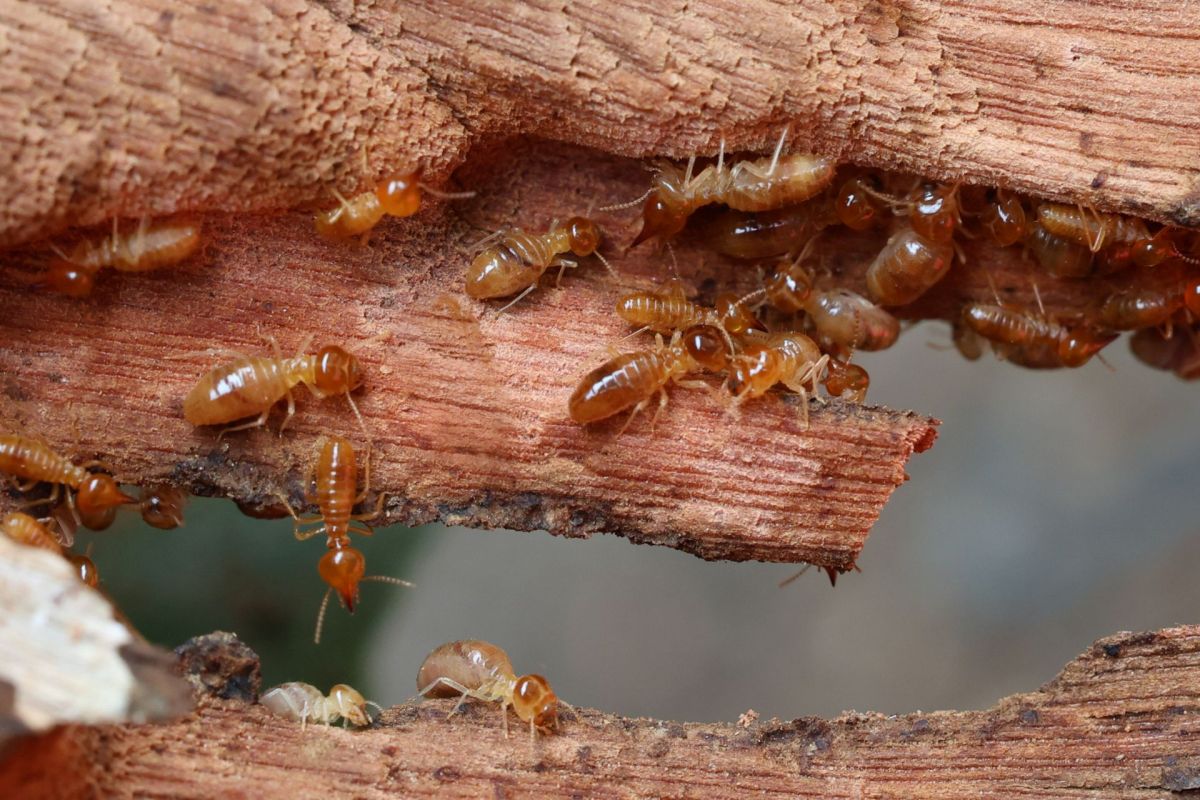
Florida has been ranked the most termite-infested state in the country, and researchers say the problem may not stay contained for long.
New data and university research suggest invasive termites are spreading northward — and even interbreeding in ways that could make them harder to contain in the future.
What's happening?
According to WKMG ClickOrlando, a new Terminix report named Florida the most termite-infested state in the United States, based on the company's pest management data from last year. California, Texas, Georgia, and Tennessee rounded out the top five, while several Northeastern states also made the top 10.
According to the company, "consistently warm temperatures, high humidity, and dense development create ideal breeding grounds for termite colonies," providing pests with access to food, shelter, and breeding conditions in both homes and commercial buildings.
At nearly the same time, the University of Florida's Institute of Food and Agricultural Sciences warned that two invasive species — Formosan and Asian subterranean termites — are no longer limited to South Florida. UF/IFAS said long-running monitoring data shows the Asian termite is moving steadily north, while the Formosan termite is now established across most coastal counties and major urban areas.
Researchers also found a hybrid colony in Fort Lauderdale, confirming that the two non-native species can reproduce together in the wild — a development that could eventually expand their range even farther.
TCD Picks » Quince Spotlight
💡These best-sellers from Quince deliver affordable, sustainable luxury for all




"Decades of monitoring data show the spread is accelerating, with the Asian subterranean termite moving steadily north and the Formosan termite now established in most coastal counties and major urban centers, potentially putting all of Florida at risk by mid-century," UF/IFAS Public Relations Manager Lourdes Mederos wrote, according to WKMG.
Why is it concerning?
Formosan termites can build colonies numbering in the millions and cause tens of thousands of dollars in damage to a single house. They also forage aggressively, making them more destructive than many native termites.
Researchers said Asian termites have also killed healthy trees in the region, which can strip neighborhoods of shade, worsen heat, and leave communities paying more for cleanup and replacement. Losing urban trees also chips away at efforts to create healthier, more resilient cities.
The spread is especially troubling because the termites appear to be hitching rides with people, including on private boats. And if hybrids become better adapted to a wider range of temperatures, more parts of Florida — and potentially nearby states — could face rising repair costs and mounting damage.
For households already dealing with expensive insurance and home maintenance, another long-term structural threat is the last thing they need.
What can be done about it?
Researchers at UF/IFAS are continuing to explore ways to slow the spread of termites and address infestations, according to WKMG ClickOrlando.
UF/IFAS experts are also emphasizing the value of long-term relationships with pest control professionals, who can help monitor local trends and catch warning signs before severe structural damage sets in.
Regular inspections, especially in high-risk areas, can help identify activity before colonies grow. Reducing wood-to-soil contact, fixing leaks, and addressing moisture around foundations can also make homes less inviting to termites.
People with boats or waterfront access may also want to be extra cautious, since researchers believe human activity has helped these termites spread.

Get TCD's free newsletters for easy tips, smart advice, and a chance to earn $5,000 toward home upgrades. To see more stories like this one, change your Google preferences here.







