


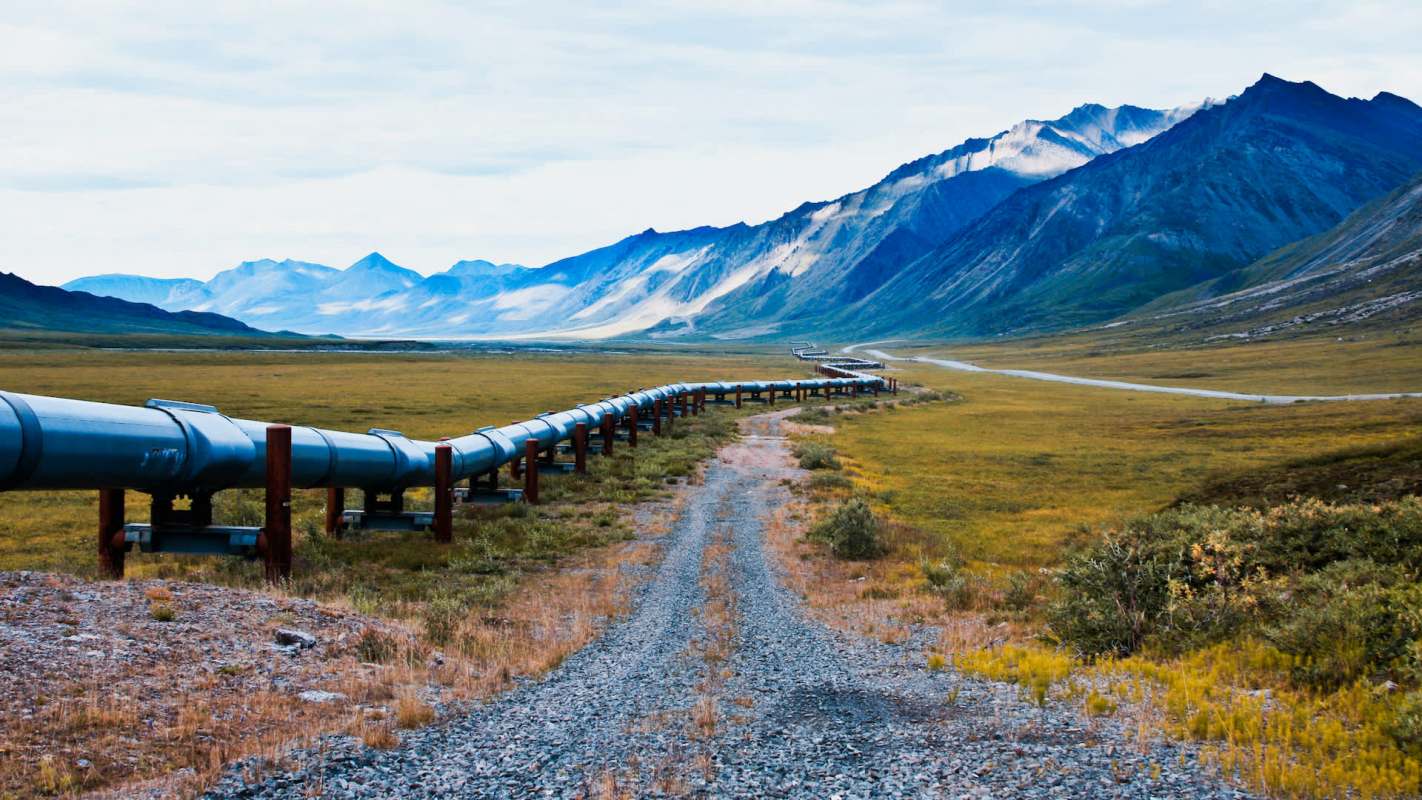
Another major gas supply deal is now in place for Alaska LNG. This latest development could move the long-discussed, 807-mile pipeline project a step closer to construction.
What's Happening?
On Monday, Reuters reported that lead developer Glenfarne Group announced a 30-year agreement with ConocoPhillips to supply natural gas from Alaska's North Slope to the proposed system.
This deal is meant to help advance Phase One of the investment decision, according to Reuters. That initial stage would involve building most of the pipeline to move gas for in-state use.
Phase Two of the proposed project would extend the project to an export terminal near Nikiski, Alaska. From there, liquefied natural gas could be shipped to Asian markets, as Reuters noted.
The ConocoPhillips agreement is now Glenfarne's third such deal with a major North Slope producer, following ones with Exxon Mobil and Hilcorp Alaska, according to Reuters.
Even with those deals in place, though, it is unclear if or when the large project will get underway.
TCD Picks » Quince Spotlight
💡These best-sellers from Quince deliver affordable, sustainable luxury for all




Why Does It Matter?
For Alaska, the project matters because it is being framed first as a way to strengthen gas supply within the state, which is encountering major challenges. A pipeline of this scale could influence energy planning, infrastructure spending, and utility decisions.
But it also matters because this is still a major fossil fuel project. Fossil fuel extraction, processing, and burning harm people and communities in multiple ways. As the Anchorage Daily News shared, critics point to major downsides of the project, including excess cost, damage to the Indigenous community, and a lack of transparency about the project's costs.
Meanwhile, major fossil fuel investments worsen extreme weather disasters that destroy homes, jobs, and local economies. They drive air and water pollution linked to asthma, heart disease, cancer, and premature death. And they can keep household energy bills high even as corporate profits climb.
That tension sits at the center of the Alaska LNG story. Supporters see jobs, development, and fuel supply. Critics of new fossil fuel buildout point to long-term climate risks, public health impacts, and the danger of locking in infrastructure that could delay cleaner, cheaper energy options.
For now, Glenfarne is trying to reduce uncertainty by lining up gas suppliers. Securing agreements with ConocoPhillips, Exxon Mobil, and Hilcorp Alaska gives the company a stronger foundation as it tries to move the first phase toward a final investment decision. The project's two-stage structure also shows how developers are trying to make it more viable while serving Alaskans first.
What's Being Done?
Residents, local leaders, and regulators can press for transparency around timelines, public costs, environmental safeguards, and whether cleaner alternatives could better protect families and communities. A youth group in Alaska filed a lawsuit challenging the Alaska LNG project for falling short of fully reconciling its negative long-term impact.
Amid that opposition, though, Alaska LNG cleared another milestone with three North Slope supply agreements now in hand to force the issue on a decision.
Still, as the project is without a final investment decision date and facing public opposition, the future of the mammoth pipeline is still far from settled.

Get TCD's free newsletters for easy tips, smart advice, and a chance to earn $5,000 toward home upgrades. To see more stories like this one, change your Google preferences here.






