


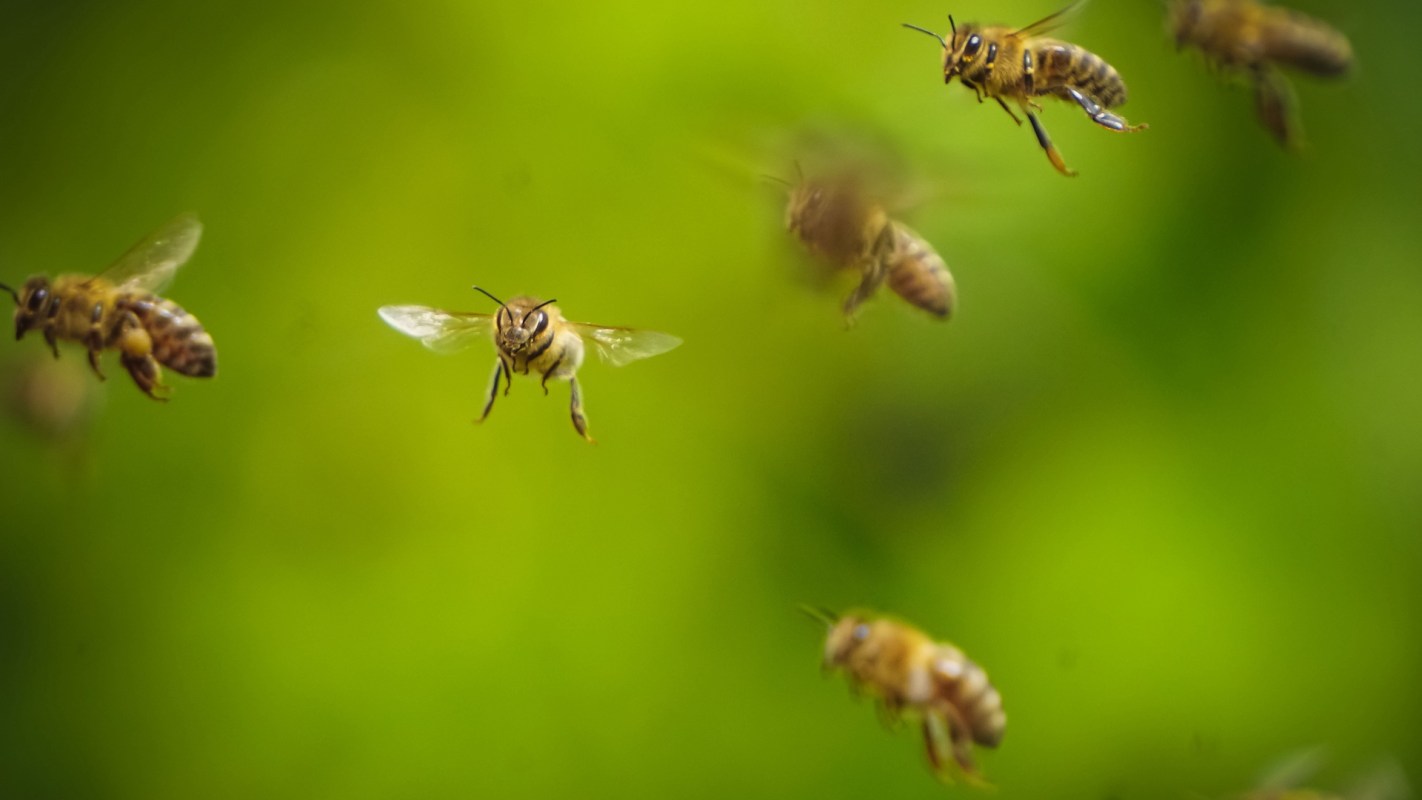
Honeybees across North America are entering the 2026 swarm season much earlier than usual, and scientists and beekeepers say the shift could be another sign that rising temperatures are disrupting the insects' life cycles at a risky moment for the species.
What's happening?
A new report from Swarmed, a network of 10,000-plus beekeepers that tracks safe, ethical honeybee relocation, found that this year's bee swarm season started 17 days earlier than it did in 2025, the Guardian reported.
The earlier start follows a stretch of record-setting heat waves in the United States and an unusually warm winter in parts of the country.
Swarming is a normal part of honeybee reproduction. When a hive becomes crowded, the queen departs with roughly half the worker bees to start another colony, while those left behind produce a replacement queen. But experts say the timing of that process appears to be changing.
Mateo Kaiser, managing director of Swarmed, said some colonies in places such as California were already building up their populations in December and January, according to the Guardian. He also said another major threat — the varroa mite — may be benefiting from shorter, warmer winters.
"As the baby matures, the varroa mite is eating the fat body of the bee," Kaiser said, adding that "the colony overall is weaker and more susceptible to disease."
TCD Picks » Quince Spotlight
💡These best-sellers from Quince deliver affordable, sustainable luxury for all




The early swarm season comes after the largest honeybee die-off ever recorded in the U.S. Last year, beekeepers reported losing more than 60% of their colonies.
Why is this concerning?
Honeybees play a major role in U.S. agriculture, helping generate an estimated $15 billion in added crop value, the Guardian reported. If colonies continue to weaken, the effects could spread through food production systems and hit farmers who depend on bees to pollinate crops.
Researchers say warmer winters may be removing one of the natural checks on varroa mites. During a more typical cold season, bees slow or stop laying eggs, which reduces the places mites can reproduce. If colonies continue breeding through winter, mites may also continue multiplying, potentially increasing disease pressure inside the hive.
The Guardian also noted that Noah Wilson-Rich, a behavioral ecologist and founder of the bee health non-profit the Urban Bee Lab, said shifting bloom times also appears to be part of the issue. Earlier springs and earlier flowering can push hives to grow and reproduce sooner than they once did.
That mismatch matters beyond managed hives. Honeybee populations are often maintained at artificially high levels, and when too many managed bees compete for limited nectar and pollen, wild bee species can be affected. That is especially concerning because many native pollinators are already declining even faster.
What's being done to help bees?
Beekeepers are already having to adapt by checking colonies earlier in the year, preparing for swarms sooner, and rethinking how they manage hives through winter and spring. Networks like Swarmed are also helping track shifting patterns and safely relocate swarms.
Individually, one of the clearest ways to help is by supporting pollinators more broadly, not just honeybees. Planting native flowers, avoiding the use of pesticides in yards and gardens, and protecting local habitat can give wild bees and other pollinators better access to food and shelter.
Supporting farmers and land managers who create pollinator-friendly spaces can also help. As bee seasons continue shifting earlier and colony health remains under pressure, better habitat and smarter management could make a meaningful difference.

Get TCD's free newsletters for easy tips, smart advice, and a chance to earn $5,000 toward home upgrades. To see more stories like this one, change your Google preferences here.







