


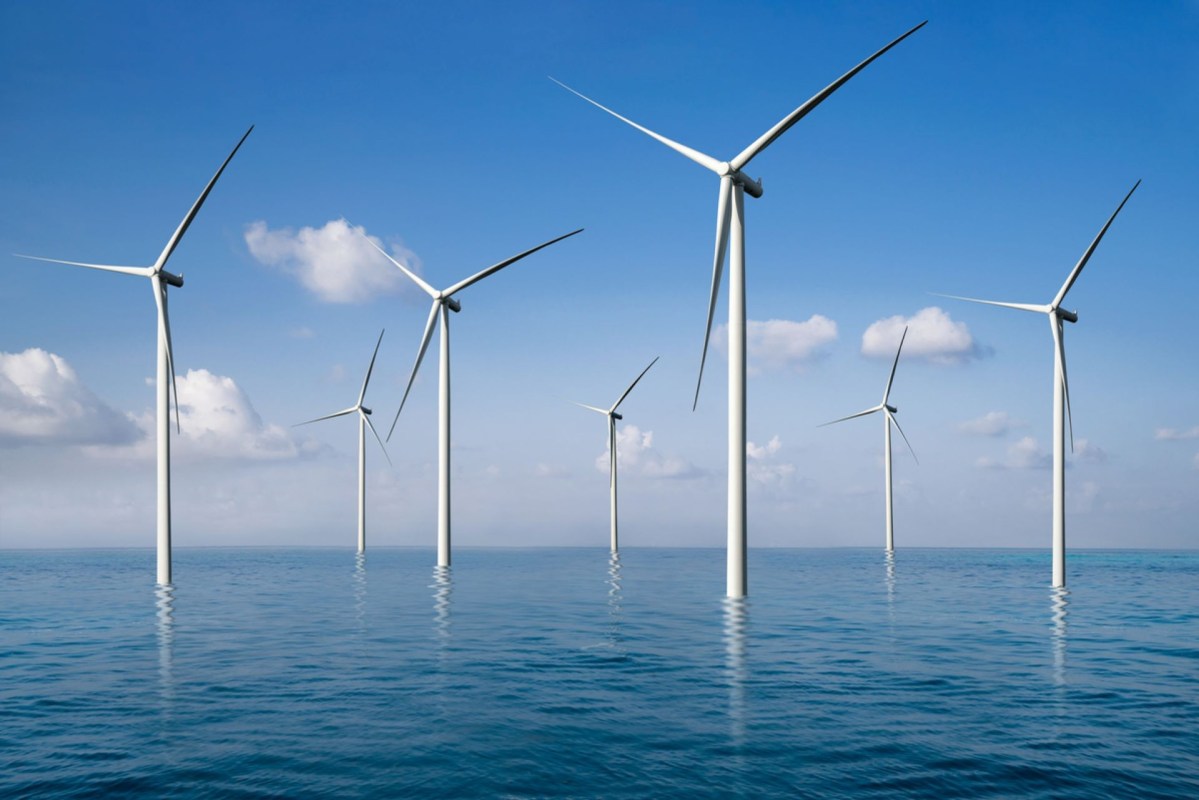
A newly released batch of emails is raising fresh questions about the Interior Department's decision to pay $1 billion to TotalEnergies after the company agreed to halt plans for two U.S. offshore wind projects.
What Happened?
Heatmap, citing records obtained by Congress, reported that the agreement seems to have been underway before officials later settled on the "national security" rationale used to block additional offshore wind development.
The timing is the key issue. According to Electrek's summary of the events, Interior emailed the Bureau of Ocean Energy Management on Nov. 13 to outline an agreement between the government and TotalEnergies, the French oil giant that had planned offshore wind projects in Carolina Long Bay and the New York Bight.
As Electrek described, the email trail suggests negotiations were already in progress before "national security" concerns appeared in the record. Those concerns emerged later, in late November and December, during discussions involving the Department of Defense and offshore wind.
Interior ultimately announced the payout in March. As noted by Electrek, TotalEnergies said in a press release that the projects were no longer in the U.S. "national interest," even though the company is still pursuing wind development in other countries, including France.
The source of the money is also drawing scrutiny. Officials reportedly used the federal Judgment Fund, which Electrek described as money generally set aside for legal settlements and judgments against the government.
TCD Picks » Quince Spotlight
💡These best-sellers from Quince deliver affordable, sustainable luxury for all




Why Does It Matter?
Offshore wind is widely viewed as a major tool for expanding domestic electricity supply, cutting pollution, and reducing reliance on volatile fossil fuel markets. If a payment of this size was arranged before the legal justification was fully developed, it could raise serious questions about transparency, public spending, and the future of U.S. clean energy projects.
There is also a direct household angle. Delays and cancellations involving cheaper renewable energy can leave electricity systems more dependent on foreign energy sources, which often expose consumers to price spikes tied to global oil and gas markets. When cleaner power is slowed, families can end up paying more.
And the downsides of fossil fuels go well beyond utility bills. Their extraction, production, and burning worsen extreme weather disasters that destroy homes, livelihoods, and local economies. They also drive air and water pollution linked to asthma, heart disease, cancer, and premature death, while helping keep energy costs high even as corporate profits soar.
Industry lobbying or payouts can meanwhile delay cleaner, cheaper energy solutions that would better protect families and strengthen local resilience. That is why disputes over offshore wind are not just about one contract.
What's Being Done?
The newly revealed emails give lawmakers more material to examine how the deal was negotiated, why the Judgment Fund was used, and whether the "national security" explanation was developed after the fact.
There are also broader legal and policy checks. Electrek noted that some earlier attempts to stop offshore wind projects on similar grounds were overturned in court, suggesting that agency actions can still face meaningful judicial review.

Get TCD's free newsletters for easy tips, smart advice, and a chance to earn $5,000 toward home upgrades. To see more stories like this one, change your Google preferences here.







