


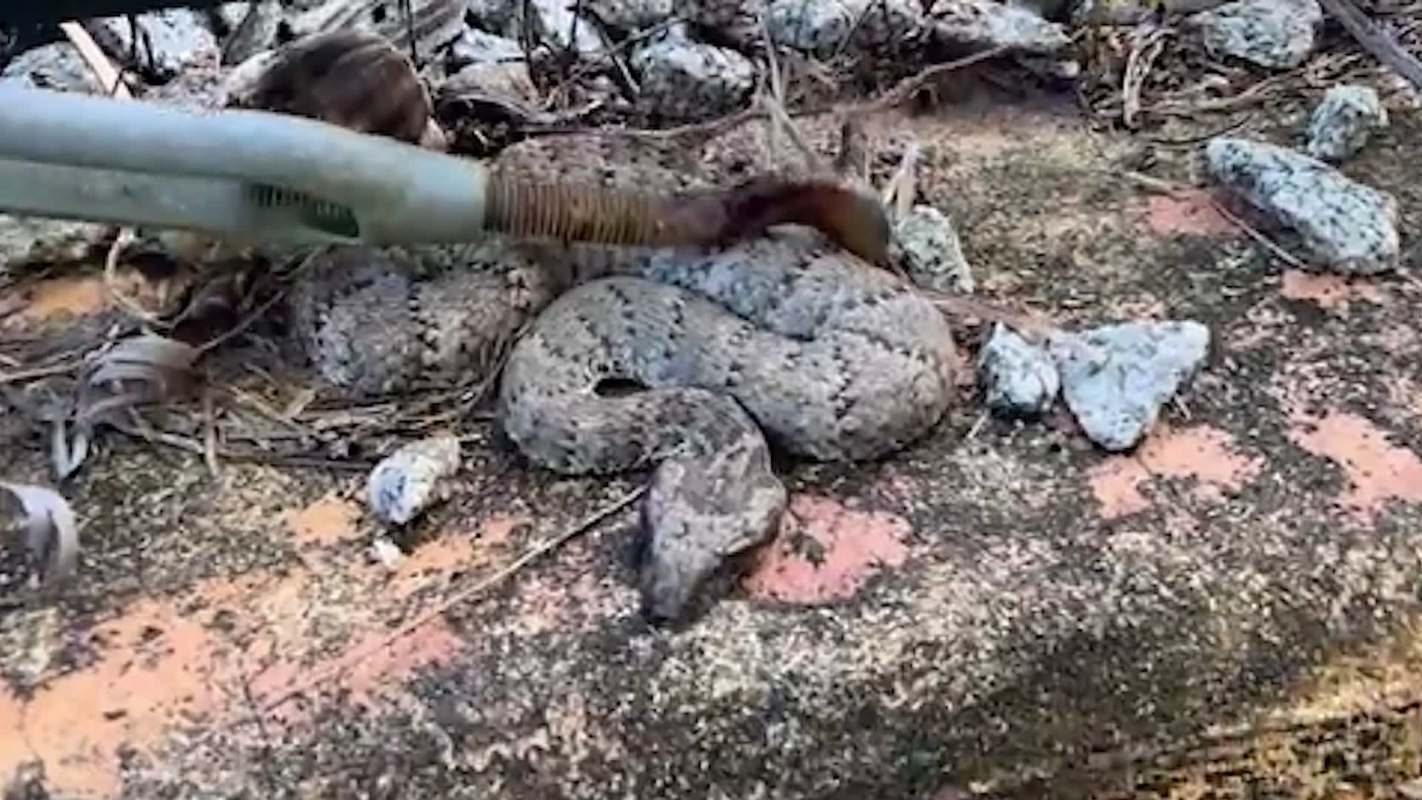
For a lot of us, a venomous snake lingering on our property for multiple days might sound like the setup for a nerve-rattling experience.
In Far North Queensland, Australia, meanwhile, one Redditor showed that the locals may be made of somewhat different stuff.
What's Happening?
The snake's observer took to the What Is This Snake? subreddit to share a peek at a curious visitor on their property.
(Click here if the video doesn't load)
They wrote that the snake, identified as a northern death adder, had been hanging around the same spot for a while, just under a fence. The original poster said that after being away for several days, the snake they'd affectionately nicknamed "Polly" had barely budged.
"Dangerously venomous but easy to coexist with," the OP assessed.
TCD Picks » Quince Spotlight
💡These best-sellers from Quince deliver affordable, sustainable luxury for all




The snake's behavior is not especially unusual for the species. Death adders are ambush predators, meaning they can remain still for days while waiting for prey to wander by, according to Untamed Science.
Meanwhile, the situation can be unsettling for an obvious reason. Northern death adders are highly venomous, so any prolonged stay near a home can be alarming.
That being said, a fellow Aussie commended that the OP's seeming to react so calmly was "such an Australian thing to do."
"'Leave it the f*** alone' is just good policy with our wildlife, not just with snakes," they continued.
Why Does It Matter?
Humans and wildlife can often wind up sharing space as people continue moving into and developing what were once pristine animal habitats. Yards, fences, sheds, and debris can all create attractive hiding, hunting, or basking spots for snakes.
That means encounters like this may not always be signs of aggression. Instead, they may often be signs of adaptation.
Understanding that distinction can help reduce panic and risky decisions. Coexistence often depends on recognizing why an animal is there in the first place.
What Should I Do?
If you spot a snake near your home, the safest response is to keep your distance and avoid trying to move it yourself. Using a zoom lens — as the original poster did here — is a much better idea than getting too close for a better look.
It can also help to make a yard less attractive to both snakes and the animals they prey on. Keeping grass trimmed, reducing clutter, sealing gaps, and limiting rodent-friendly food sources can lower the chances that a fence line or garden bed turns into a hunting station.
For residents in snake-prone areas, local wildlife rescue groups or licensed snake handlers are generally the right call if an animal is too close for comfort. Watching from a distance may be fine in some cases, but people should never assume a venomous species is harmless simply because it appears calm.

Get TCD's free newsletters for easy tips, smart advice, and a chance to earn $5,000 toward home upgrades. To see more stories like this one, change your Google preferences here.







