


A North Alabama utility is taking major chemical manufacturers to court over contamination in one of the region's most important water sources.
Huntsville Utilities says "forever chemicals" in the Tennessee River are forcing it to consider costly treatment upgrades — and it doesn't want customers stuck with the bill.
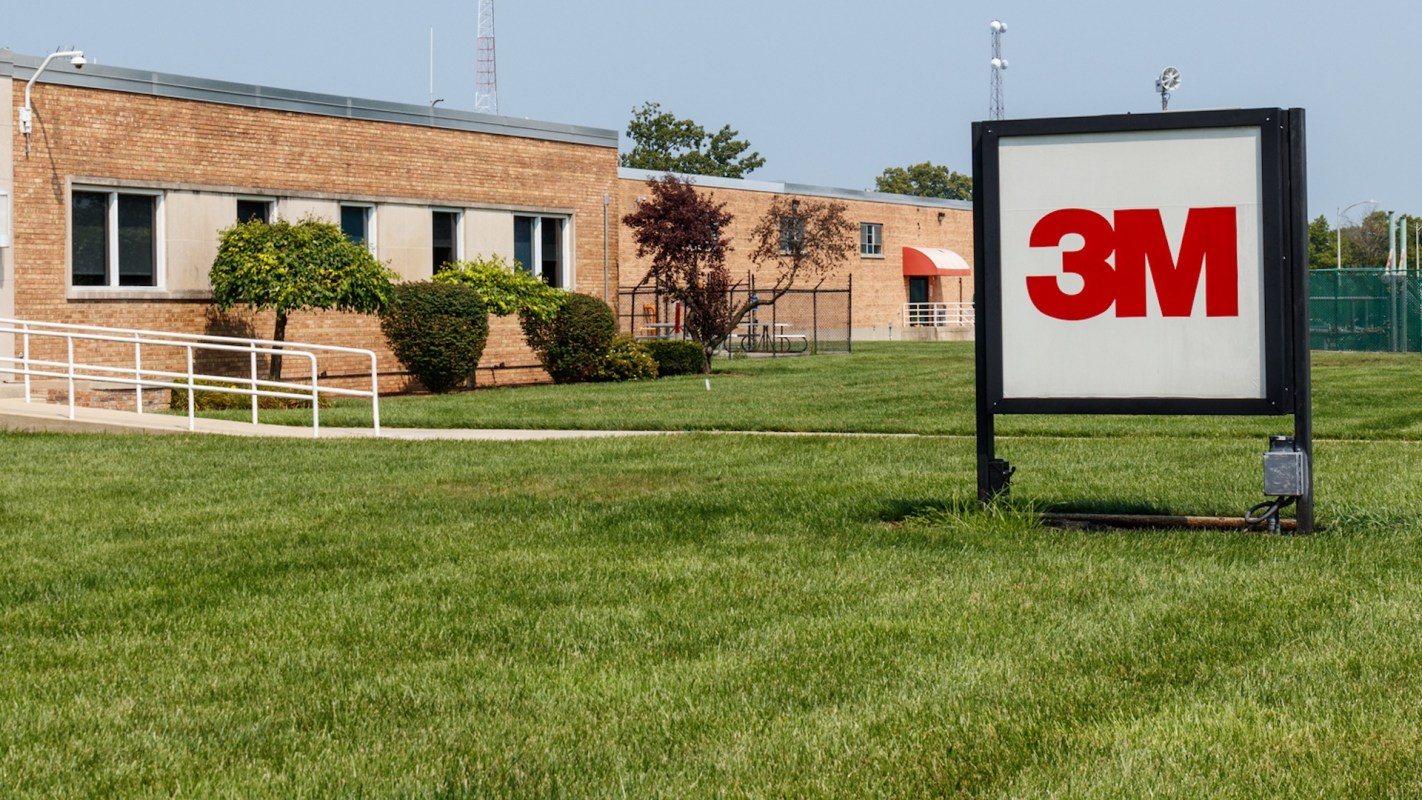
According to WAFF, Huntsville Utilities is suing 3M, Daikin America, and other chemical manufacturers, alleging the forever chemicals linked to them reached the Tennessee River.
Forever chemicals, which are also known as PFAS — short for per- and polyfluoroalkyl substances — are human-made compounds that do not easily break down in the environment. Utilities across the country have been grappling with how to detect and remove them, even at extremely tiny concentrations.
WAFF reported that Huntsville Utilities spokesperson Joe Gehrdes said only one of the company's three treatment plants has PFAS traces after treatment, but the levels still meet current Environmental Protection Agency rules, and the water remains safe to drink.
Still, the utility says stricter federal standards are on the horizon — even though the federal government is trying to undo some of those limits — and removing even more PFAS from drinking water could require expensive new equipment.
TCD Picks » Quince Spotlight
💡These best-sellers from Quince deliver affordable, sustainable luxury for all




For families and communities, this kind of contamination creates a frustrating reality. Even when tap water is considered safe under current rules, utilities may still need to spend heavily to keep up with tighter standards and long-term public health concerns.
That can slow progress toward a cleaner, more affordable future for everyone. Instead of investing in broader system improvements, utilities may be forced to divert money into cleaning up pollution they say they did not create. In Huntsville, officials are arguing that costs should not fall on local ratepayers.
The case also highlights how persistent pollution can affect everyday life far beyond factory gates. Water treatment systems, household budgets, and public trust can all take a hit when contaminants linger in shared resources like rivers. It's part of a broader national challenge as communities confront the legacy of forever-chemical pollution and its cost.
Huntsville Utilities says the lawsuit is aimed at getting the equipment needed to remove PFAS from its water supply, rather than passing those expenses on to customers. According to WAFF, Gehrdes said the utility is weighing reverse osmosis, which experts see as highly effective for removing PFAS, but also among the costliest options.
The story echoes action already taken elsewhere in northern Alabama. WAFF noted that West Morgan-East Lawrence Water Authority added reverse osmosis at a new treatment plant several years ago after its lawsuit against 3M brought troubling PFAS levels to light.
For residents, this is also a reminder to stay informed about local water reports and treatment updates. As other communities explore new water-cleaning technologies, legal action may become one way utilities try to protect both public health and customer wallets.
"At the basis of the lawsuit are chemicals that we have to treat out of the water that we did not put there," Gehrdes said. "Treating that out is going to be expensive. We will have to make some upgrades to our system, likely, and it's not fair for that to be on the backs of our customers."

Get TCD's free newsletters for easy tips, smart advice, and a chance to earn $5,000 toward home upgrades. To see more stories like this one, change your Google preferences here.






