


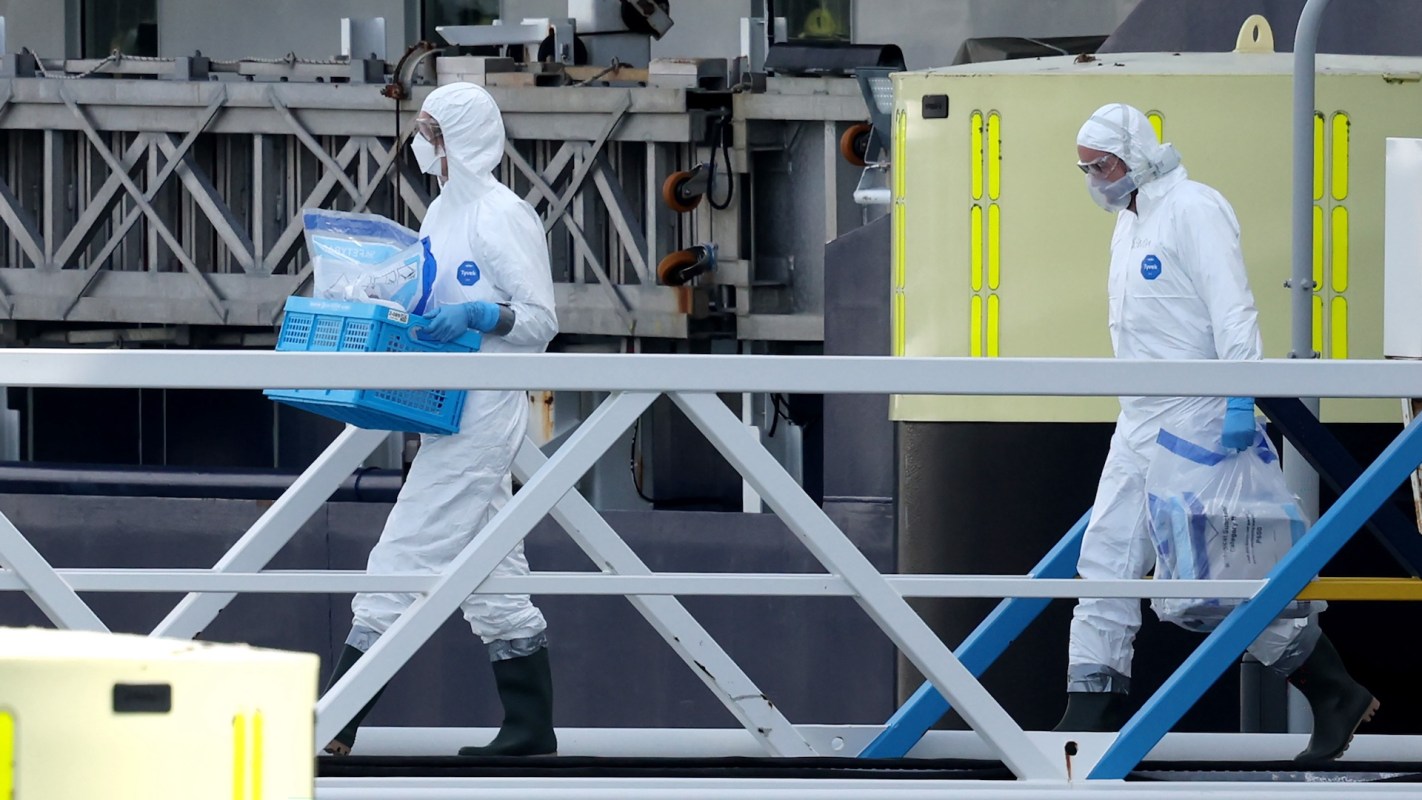
The hantavirus outbreak — even if it never becomes the next major global health emergency — is revealing how much the United States' public health system has eroded, according to former top federal health officials.
They say the episode is putting several weaknesses into sharp focus at once: less testing capacity for rare diseases, a thinner bench of outbreak-response expertise, and the growing influence of online misinformation.
What happened?
At a recent event in Washington, D.C., former U.S. health leaders said the hantavirus outbreak should be understood as a warning about broader gaps in public health preparedness, the Guardian reported.
Stephanie Psaki, the former White House global health security coordinator, said the main lesson is not that the country is in good shape if this outbreak stays contained. "We're not ready for this type of threat," she said, pointing to cuts that have limited the teams and systems meant to respond quickly to infectious disease emergencies.
The concern, experts said, extends well beyond hantavirus. Psaki noted that scientific models put the odds at about 50-50 that another pandemic at least as severe as COVID-19 could happen within the next 25 years.
Former chief medical adviser Anthony Fauci said misinformation remains one of the biggest obstacles to protecting public health. Rumors and conspiracy theories are not new, he said, according to the Guardian, but social media has made them far more powerful. In many cases, trusted online personalities can carry more weight in public debate than strong scientific evidence.
TCD Picks » Quince Spotlight
💡These best-sellers from Quince deliver affordable, sustainable luxury for all




The officials also revisited what worked — and what failed — during COVID. Fauci described the science behind the vaccines as extraordinary. Still, he said the public health response was often muddled, and the U.S. also faltered on early testing and global vaccine distribution.
Why is the hantavirus outbreak concerning?
Experts said the concern is not only the outbreak itself, which the World Health Organization is monitoring and has classified as a low risk to the global population. It is what the outbreak suggests about the country's ability to manage the next one.
To work well, public health agencies need enough staff, lab capacity, and communication tools to identify threats quickly, contain them, and guide the public through uncertainty. According to the experts, many of those systems have been weakened by funding cuts and institutional losses since the height of the coronavirus pandemic.
Misinformation makes those weaknesses harder to manage. Fauci said false claims often move faster than scientific evidence, especially online, where emotional or simplistic messages tend to travel further than nuanced explanations. That can undermine trust, discourage preventive care, and slow action during fast-moving emergencies.
"You have to fight misinformation with figuring out a better way to communicate to people on a level that they understand," he said, according to the Guardian.
Nina Schwalbe, a senior scholar at Georgetown University's Center for Global Health Policy and Politics, said public officials also need to become better at talking honestly about uncertainty. When agencies oversimplify complex situations, she said, people may lose trust later when guidance changes.
The risks are global as well. Fauci said pandemic preparedness cannot succeed as a domestic-only project, and Psaki described the WHO as an essential institution. She also said U.S. failures during COVID — especially delays and inequities in vaccine access — caused lasting damage to international trust.
In practical terms, a weaker public health system can mean slower testing, more confusing guidance, delayed access to vaccines or treatments, and greater strain on hospitals when cases climb. That affects how quickly communities can recover during a crisis — and how many lives can be protected in the process.
What's being done about public health preparedness?
Experts said the basic playbook has not changed. The Guardian noted that Psaki said the steps are: stop threats from emerging, spot them fast, contain them, respond, and keep people alive.
In their view, rebuilding public health starts with renewed investment in the people and systems that enable rapid response.
Fauci said one important step is to get accurate information out fast and pre-bunk false claims before they spread widely. Schwalbe said agencies should also be more transparent about what they know, what they do not know, and how recommendations could evolve.
Individuals can follow guidance from trusted local and national health sources. Be cautious about health claims circulating on social media. Stay up to date on recommended vaccines and testing when available. Also, support policies that strengthen public health departments rather than weaken them further.

Get TCD's free newsletters for easy tips, smart advice, and a chance to earn $5,000 toward home upgrades. To see more stories like this one, change your Google preferences here.






