


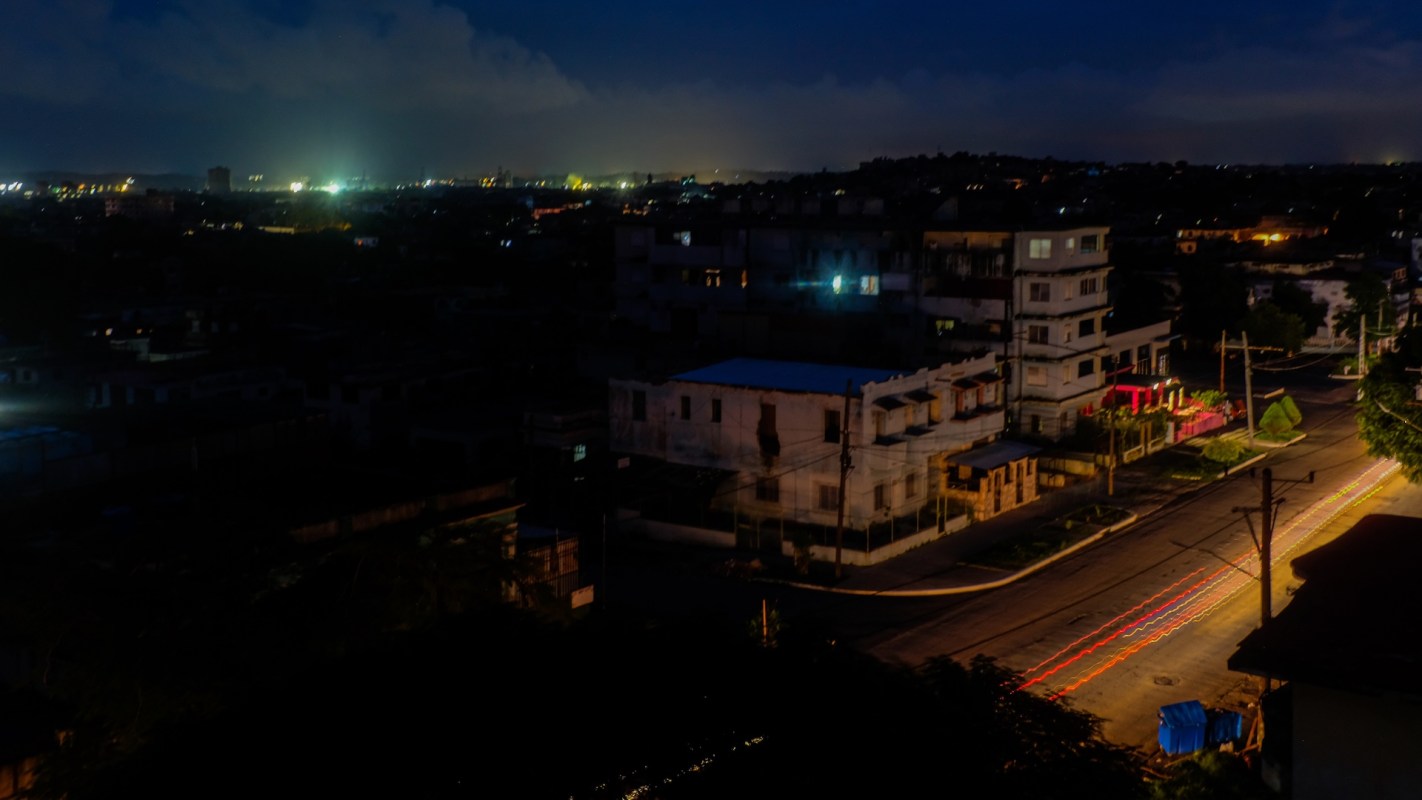
Cuba's worsening fuel shortage is turning daily life into a survival challenge, with rolling blackouts disrupting water service, transportation, food storage, and hospital operations.
As ABC News reported, Cuban officials now say the country has exhausted its fuel reserves, leaving people to deal with an increasingly unstable power grid and long stretches without electricity.
What's happening?
Cuba is experiencing intensifying blackouts as its oil and diesel supplies run dry. The U.S. Embassy in Cuba issued a security alert that described the national grid as "increasingly unstable" and said both planned and unplanned outages were hitting communities across the island, including Havana.
According to ABC News, Vicente de la O Levy, Cuba's Minister of Energy and Mines, said at a press briefing that the country has "absolutely no fuel" and "absolutely no diesel." He added that Havana had just gone through a blackout lasting more than 20 hours.
Experts told ABC that the crisis has been building for years. Cuba's power plants are aging and poorly maintained. The situation has reportedly become even more severe after the Trump administration forced Venezuela to stop sending oil to Cuba and threatened tariffs against other countries supplying fuel to the island. Venezuela had been meeting roughly 20% of Cuba's daily oil consumption, ABC reported.
The effects now stretch far beyond the electrical system itself. Officials say outages are disrupting basic services, including water, power, communications, and refrigeration. Fuel scarcity is also jamming travel, lengthening waits at gas stations, and slowing agriculture and shipping. Grocery shelves are becoming increasingly bare, hospitals are struggling to operate, and some families have had only a few hours of electricity over 36 hours.
TCD Picks » Quince Spotlight
💡These best-sellers from Quince deliver affordable, sustainable luxury for all




The shortages have also fueled unrest. ABC reported that the U.S. Embassy had received word of protests in Havana, along with reports of harsh police crackdowns.
Why is Cuba's fuel shortage concerning?
This is a rapidly escalating humanitarian emergency. When a country loses access to the fuel needed to power its grid, move food, and keep essential services running, daily life can begin to unravel fast. In Cuba, that means spoiled food, less reliable drinking water, strained medical care, stalled farming, and heightened risks for older adults, children, and people with health conditions.
Food insecurity is one of the biggest concerns. Cuba imports much of its food, and experts told ABC that fuel shortages are making it harder to transport goods and maintain agricultural production. When refrigeration fails and deliveries slow, hunger can spread quickly.
The crisis also highlights the dangers of dependence on oil and gas. When homes, hospitals, farms, and transit systems rely on imported oil and diesel, any disruption — whether caused by supply shocks, aging infrastructure, or political conflict — can set off cascading failures. Cuba's aging oil-fired power plants and damaged power lines have made the grid especially vulnerable.
The oil and gas industry harms people and communities worldwide. Its products help drive extreme weather disasters that destroy homes, livelihoods, and local economies. Pollution from oil, gas, and coal also contaminates air and water, contributing to significant health concerns, such as asthma, heart disease, cancer, and premature death.
Meanwhile, households are often stuck with high energy costs while corporate profits climb, and industry lobbying can delay cleaner, cheaper energy solutions that would better protect families. Holding the industry accountable and accelerating a transition away from oil, gas, and coal is critical for public health, affordability, and community resilience.
What's being done about Cuba's fuel shortage?
In the short term, Cuba needs relief that can stabilize essential services and shield people from the worst effects of prolonged outages. That includes restoring fuel access for hospitals, water systems, food distribution, and emergency transportation, while also repairing damaged power lines and addressing the grid's aging infrastructure.
Experts told ABC that renewables already provide roughly 20% of Cuba's electricity, with solar making up a growing share. Expanding that could help reduce the country's dependence on imported oil, which leaves it vulnerable to sudden shortages and price spikes. More solar, battery storage, and modernized grid equipment could make the system more reliable, especially for critical services.
Over the long term, the clearest path forward is to move away from fragile oil and gas systems and toward cleaner, more resilient energy sources. That means investing in renewables, storage, stronger transmission networks, and localized backup power that can keep clinics, water pumps, and refrigeration running during emergencies.
For people outside Cuba, supporting humanitarian aid efforts and policies that accelerate the global transition to cleaner energy could make a difference.

Get TCD's free newsletters for easy tips, smart advice, and a chance to earn $5,000 toward home upgrades. To see more stories like this one, change your Google preferences here.






