


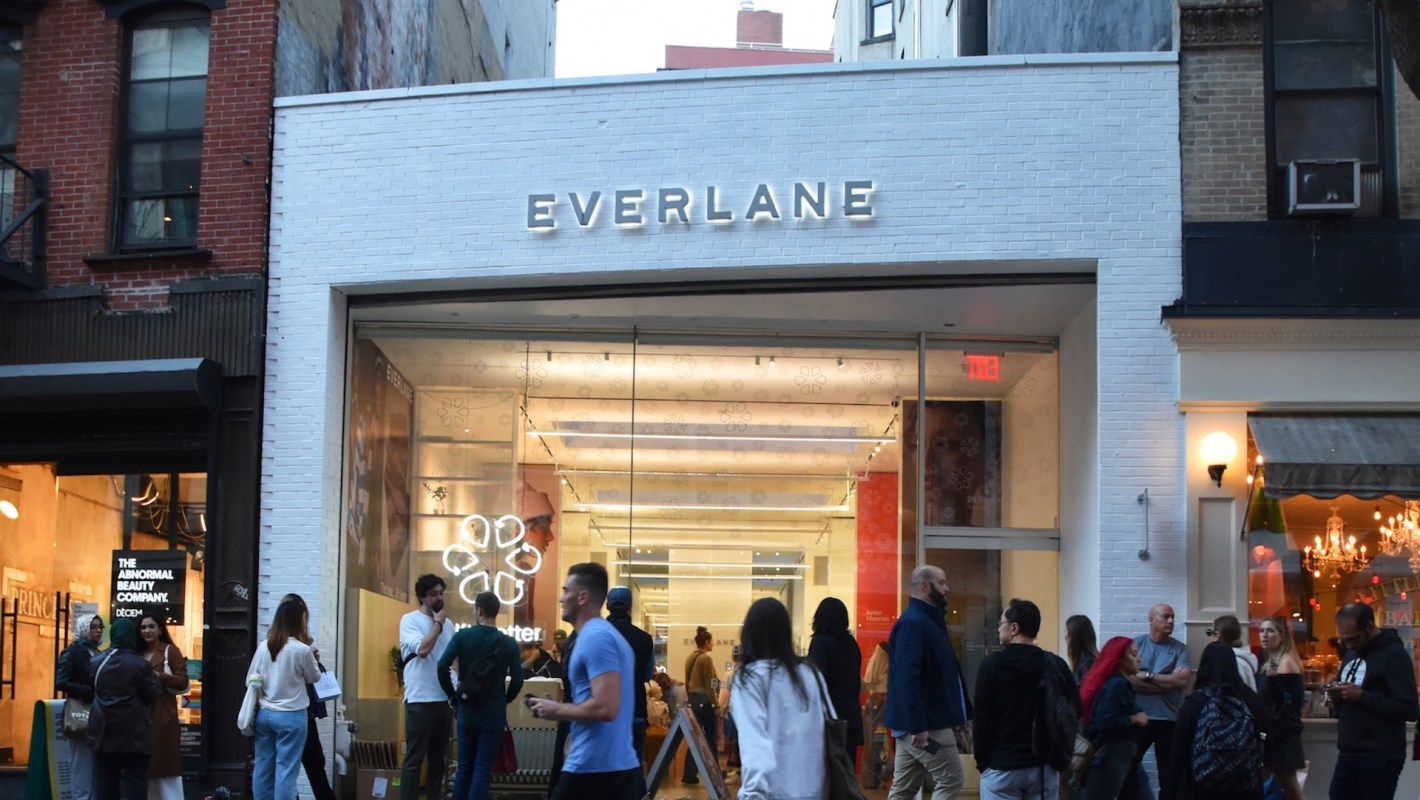
Everlane, the popular clothing company known for minimalist basics and sustainable practices, is reportedly being acquired by ultra-fast-fashion giant Shein.
The reported sale is a stark reminder of how quickly the 2020s online retail boom has cooled — and how easily brands marketed as more responsible can end up folded into a business model defined by speed, volume, and disposable clothing.
What's happening?
According to Bloomberg, Shein is acquiring Everlane from majority owner L Catterton. The deal reportedly values Everlane at roughly $100 million, far below the kind of valuations many e-commerce brands commanded during the height of the online shopping surge just a few years ago.
Everlane and L Catterton did not immediately respond outside normal business hours, and Bloomberg reported that Shein did not immediately respond to its request for comment.
Why is this concerning?
The deal is troubling because it links a brand associated with more conscious shopping to one of the most recognizable names in ultra-fast fashion.
That matters because ultra-fast fashion relies on pumping huge volumes of low-cost clothing into the market at high speed, encouraging overbuying and generating massive amounts of textile waste. Plus, producing, shipping, and discarding all those garments consumes enormous amounts of energy, water, and raw materials while sending more waste to landfills.
TCD Picks » Quince Spotlight
💡These best-sellers from Quince deliver affordable, sustainable luxury for all




The deal also creates confusion for shoppers. When a brand known for more durable, "buy better" messaging (Everlane) gets absorbed by a company associated with low-cost, high-turnover apparel (Shein), it can become even harder for consumers to tell which brands are reducing harm and which are simply benefiting from sustainability branding.
What's being done about fashion waste?
Despite the news of this acquisition, there are still meaningful ways individuals can push back against the waste built into fast fashion.
For shoppers, one of the biggest steps is often buying fewer clothes overall and choosing pieces designed to last longer. Shopping secondhand, repairing items, swapping clothes, and supporting brands that publish clear information about materials, factories, and pollution can all help reduce demand for disposable fashion.
It also helps to be cautious about marketing claims. If a brand uses words such as "sustainable," "ethical," or "transparent," look for evidence behind those labels.
Beyond individual choices, stricter rules around supply-chain disclosure, waste reduction, and textile recycling could also make a difference. Advocates have pushed for policies that hold brands more responsible for what happens to clothing after it is sold, instead of leaving cities and consumers to deal with the growing mountain of waste.
For now, the reported Everlane-Shein deal stands as another warning sign that in today's fashion market, even brands with a greener image are not immune to the pull of a system built on selling more, faster.

Get TCD's free newsletters for easy tips, smart advice, and a chance to earn $5,000 toward home upgrades. To see more stories like this one, change your Google preferences here.






