


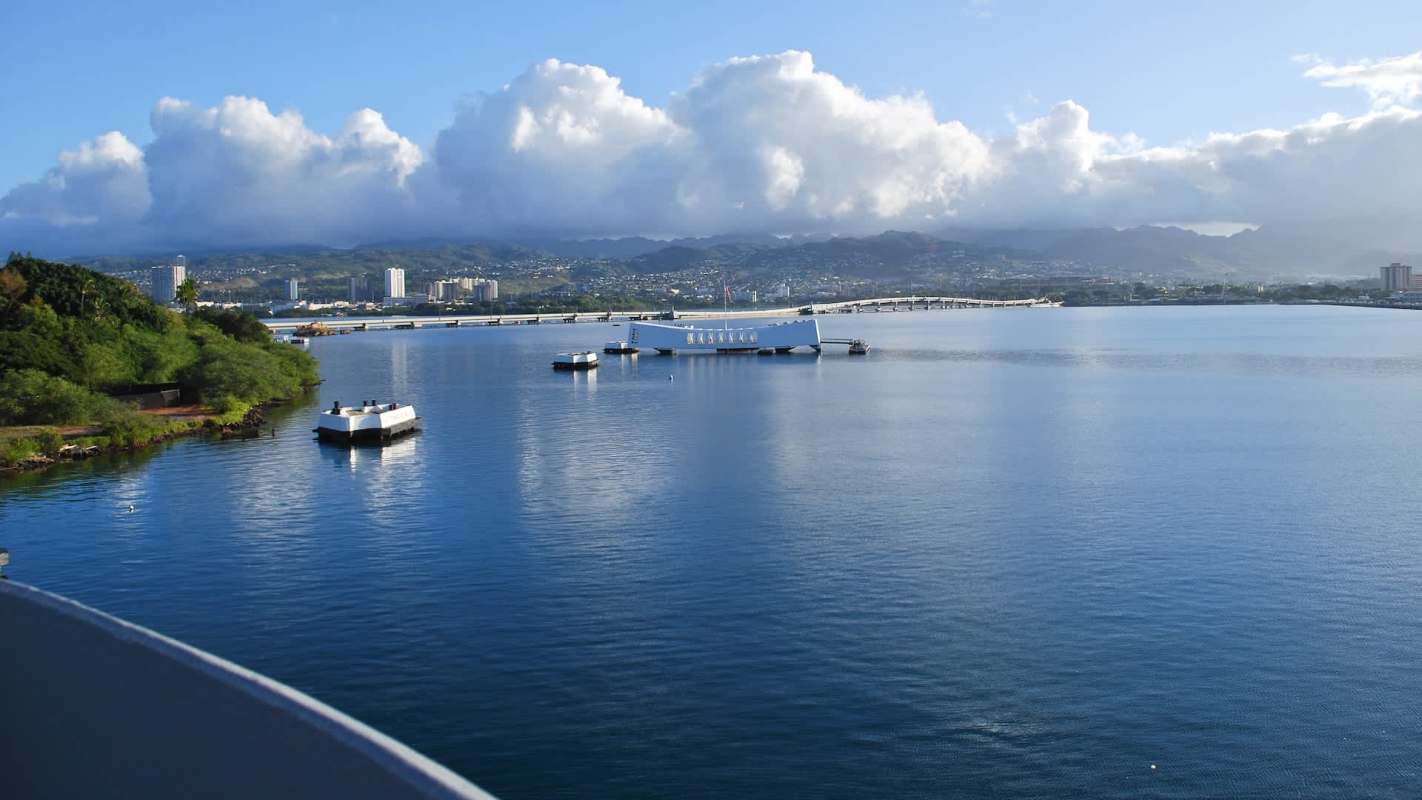
A rupture in a Navy wastewater pipeline sent about 2,250 gallons of untreated sewage into Pearl Harbor on Friday, adding yet another pollution incident to one of Hawaiʻi's most closely watched waterways.
What happened?
Officials at Joint Base Pearl Harbor-Hickam said the leak occurred near the Pearl Harbor Naval Shipyard piers after a wastewater offloading line failed, Hawaii News Now reported. No vessel was using the line when it broke.
The spill was found at about 7 a.m. Friday and contained by midday, officials said. The wastewater was not recoverable and was expected to dissipate naturally.
The Navy said it alerted the Hawaii State Department of Health right away, according to Hawaii News Now.
Why is this concerning?
Aside from being an important military hub, Pearl Harbor is also a federal cleanup site with decades of contamination issues. That history includes the 2021 Red Hill jet fuel disaster, which polluted drinking water and disrupted daily life for thousands of military families.
For nearby communities, this raises renewed concerns about water quality and marine life, and whether the harbor's long-running cleanup issues are being addressed in a meaningful way.
TCD Picks » Quince Spotlight
💡These best-sellers from Quince deliver affordable, sustainable luxury for all




Untreated sewage can carry bacteria, viruses, and excess nutrients that degrade water quality and pose risks to people who fish, boat, or spend time near the harbor. A 2025 study linked sewage sludge and wastewater treatment plants to "concerning" levels of "forever chemicals" in waterways across 19 U.S. states.
It can also harm sensitive ecosystems by fueling algal growth and lowering water oxygen levels.
Coral reefs and marine animals are already under growing stress from warming oceans and pollution. Repeated wastewater leaks make recovery more difficult and slow progress toward a cleaner, safer future for residents who rely on healthy water for recreation, culture, and local food sources. The harbor is also under pressure from invasive coral.
What's being done about it?
For now, state health officials say they are awaiting the Navy's formal report and have not yet commented on effects for marine life or recreational waters, according to ECIKS.org. That report could help clarify what caused the rupture and whether testing found signs of broader contamination.
Over the longer term, Hawaiʻi environmental groups have continued to call for stricter oversight of dockside wastewater handling. Advocates and Hawaiian communities continue monitoring water conditions closely.

Get TCD's free newsletters for easy tips, smart advice, and a chance to earn $5,000 toward home upgrades. To see more stories like this one, change your Google preferences here.







