


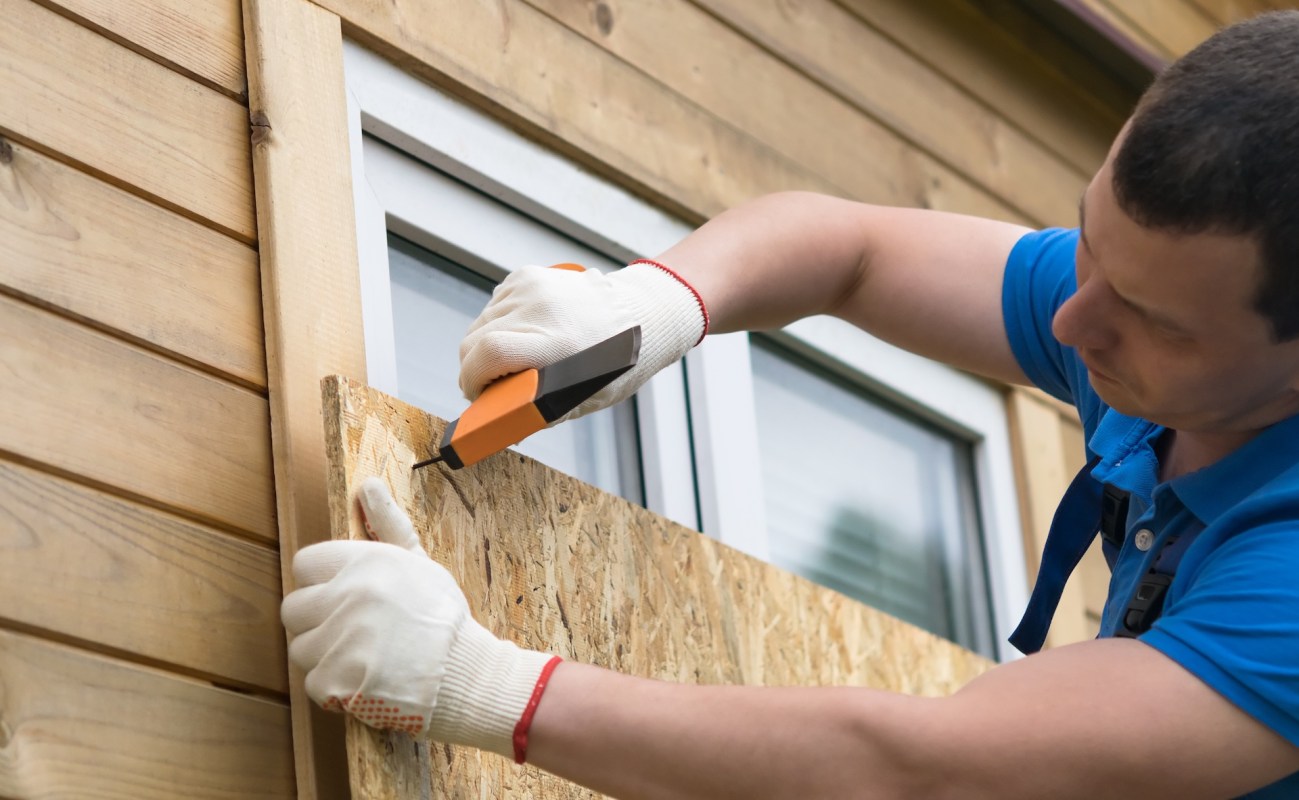
For homeowners in Florida and Louisiana, a "hurricane tax" is becoming a very real cost of climate change.
The term describes the extra amount people pay each year for homeowners insurance that includes hurricane or named-storm coverage. This often happens through a separate hurricane deductible. Data highlighted by Insure.com, as referred to by The Hartford Courant, shows that these added costs are now more than $4,500 a year on average in both states.
While these homes in high-risk coastal areas face higher insurance premiums, such high rates can make living in these states unaffordable.
Unfortunately, this is an example of climate change showing up in household budgets, and it'll only get worse without preventative action. Homeowners in storm-prone states are dealing with more severe weather, fewer insurance choices, and much higher premiums just to maintain coverage.
Insurance companies aren't changing prices in favor of homeowners either. Per the Hartford Courant, a 2025 report from the Consumer Federation of America found that homeowners insurance premiums nationwide climbed 24% from 2021 to 2024. That's roughly twice as much as the general inflation rate.
Warmer ocean temperatures drive stronger hurricanes, and rising sea levels increase storm-surge risks. In the meantime, insurers have been pulling back from Florida and Louisiana markets, reducing competition and increasing the "hurricane tax" for those who remain.
TCD Picks » Quince Spotlight
💡These best-sellers from Quince deliver affordable, sustainable luxury for all




Reinsurance prices are also incentivizing insurance companies to charge more. Reinsurance is essentially insurance for insurers, and as climate-related disasters become more expensive, reinsurance costs rise as well. Insurance companies often pass on those price hikes to homeowners, and the cycle continues.
As storms grow stronger and insurance becomes more expensive, insurance companies will likely force more families to choose between higher premiums, larger deductibles, or insufficient coverage. Unless more regulation happens in states like Florida and Louisiana, the "hurricane tax" is set to keep skyrocketing upward.

Get TCD's free newsletters for easy tips, smart advice, and a chance to earn $5,000 toward home upgrades. To see more stories like this one, change your Google preferences here.






