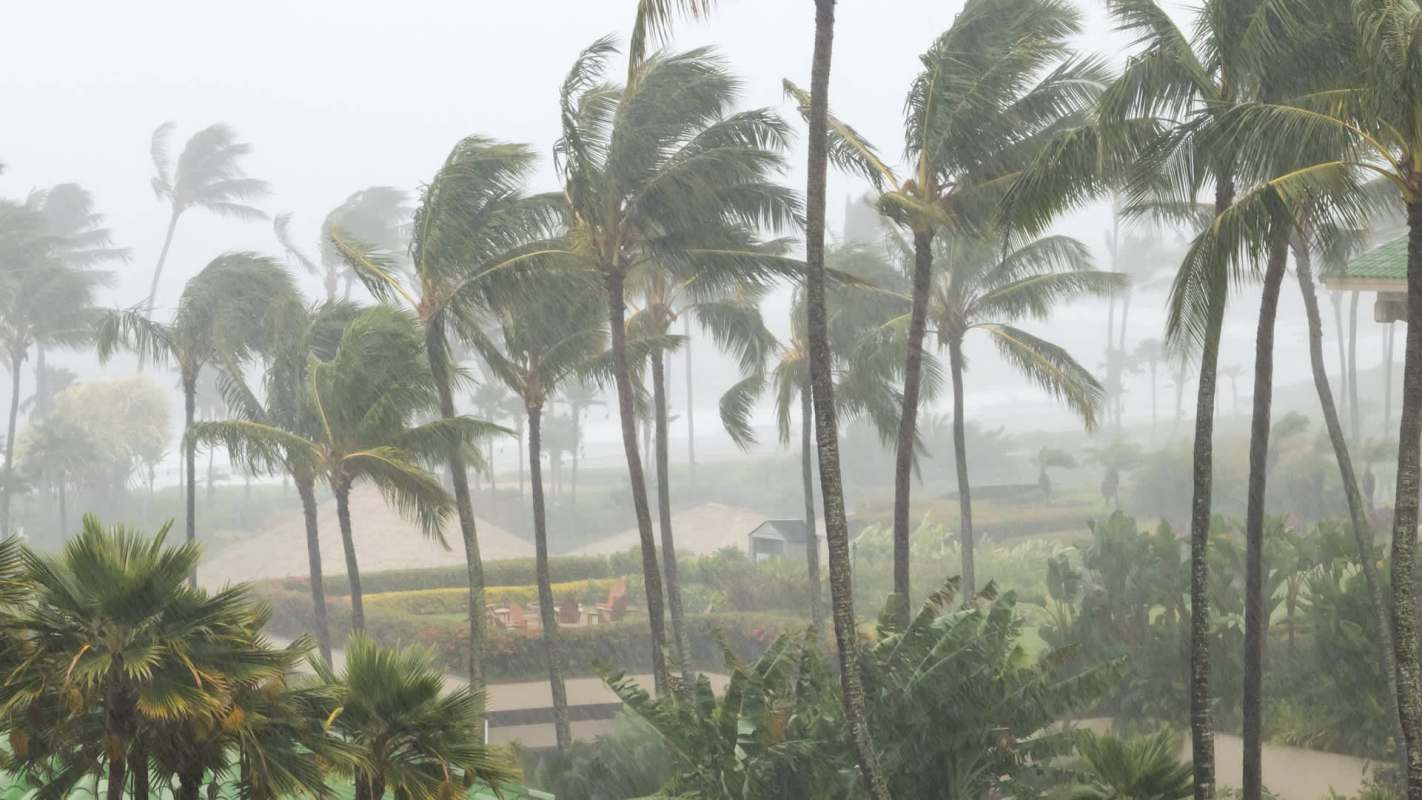
Scientists have said one of the clearest ways an overheating planet is reshaping hurricanes is by making them wetter.
In tropical cyclones — the broad category that includes hurricanes, tropical storms, and tropical depressions — warmer oceans and a warmer atmosphere allow storms to hold and release more moisture. That raises the risk of extreme rainfall and freshwater flooding.
According to Yale Climate Connections, researchers have linked human-caused warming to heavier rain in storms, including Hurricane Harvey, Hurricane Ian, Hurricane Helene, Hurricane Milton, and Hurricane Melissa.
Scientists have high confidence in this trend. A 1-degree Celsius rise in ocean temperatures means saturated air can contain roughly 7% more water vapor. That extra moisture does not simply linger in the air — it can intensify a storm.
As YCC explained, when that vapor turns into rain, the released heat can help a hurricane expand, strengthen faster, and pull in moisture from farther away before dropping it over land.
That is one reason rapid intensification is such a concern. A 2024 study, published in Tropical Cyclone Research and Review, reported that rapidly intensifying storms can take in about three times as much moisture as other storms, sometimes from as far as 1,550 miles from the center.
TCD Picks » Good Store Spotlight
Get 10% off your next purchase with code TCD10




As Michael Wehner from Lawrence Berkeley National Laboratory told Climate Central, "Every single hurricane we've looked at is wetter because of climate change."
Why does a wetter hurricane matter?
The most direct reason is simple: more rain means a greater threat of deadly flooding, especially freshwater flooding far inland.
That risk is already visible in the data. According to YCC, one study found that the share of the continental United States experiencing a 4-inch tropical cyclone rainfall event at least once every 25 years has increased by 70% since the mid-20th century. The same study said the area exposed to even rarer 8-inch events grew by more than tenfold.
Attribution studies have also concluded that climate change worsened rainfall in major storms. For example, a paper published in the journal Environmental Research: Climate noted that Hurricane Harvey's rainfall was estimated to be 13% to 28% heavier because of warming.
Hurricane Ian's extreme rainfall increased by about 18%, and rapid analyses of Helene and Milton found climate change may have intensified their rains by as much as 30%, per YCC.
As climate scientist Michael Wehner put it to Climate Central, "Every single hurricane we've looked at is wetter because of climate change."
How do wetter hurricanes increase flood threats?
Heavier rainfall is only part of the problem. Scientists are also concerned that some tropical cyclones may move more slowly, stall more often, or weaken more slowly after landfall, all of which can keep dangerous rain falling over the same places for longer.
That matters because slow-moving storms often lead to more severe floods. According to YCC, stalled tropical cyclones can produce about 12% more accumulated rainfall while affecting a smaller area than non-stalled storms, concentrating flood impacts.
Still, extreme rainfall does not always translate into extreme flooding. One study, published in the journal Climactic Change, found very heavy rain led to top-tier flooding about 36% of the time in the contiguous United States, but that jumped to 62% when soils were already moist. In other words, wetter hurricanes striking wetter landscapes can be especially dangerous.
This helps explain why freshwater flooding has become a growing share of hurricane deaths in the United States. Storm surge remains a major threat, but rain-driven flooding is increasingly devastating communities well away from the coast.
What could happen next?
Scientists expect the trend to continue as the planet warms.
YCC cited research suggesting the most intense 10% of hurricanes along the majority of the U.S. coast could intensify by 15% to 30% and move 20% to 30% more slowly in the future, a combination that raises the odds of both extreme rainfall and extreme coastal flooding.
That poses a major challenge for infrastructure. Many roads, drainage systems, levees, and flood-control projects that were designed for an older climate are becoming outdated as extreme precipitation becomes more frequent.
Hurricane season is no longer only about wind speed or storm surge. In a warming world, storms are getting wetter, and that means more neighborhoods — including inland ones — face higher flood risks than they did in the past.

Get TCD's free newsletters for easy tips, smart advice, and a chance to earn $5,000 toward home upgrades. To see more stories like this one, change your Google preferences here.