


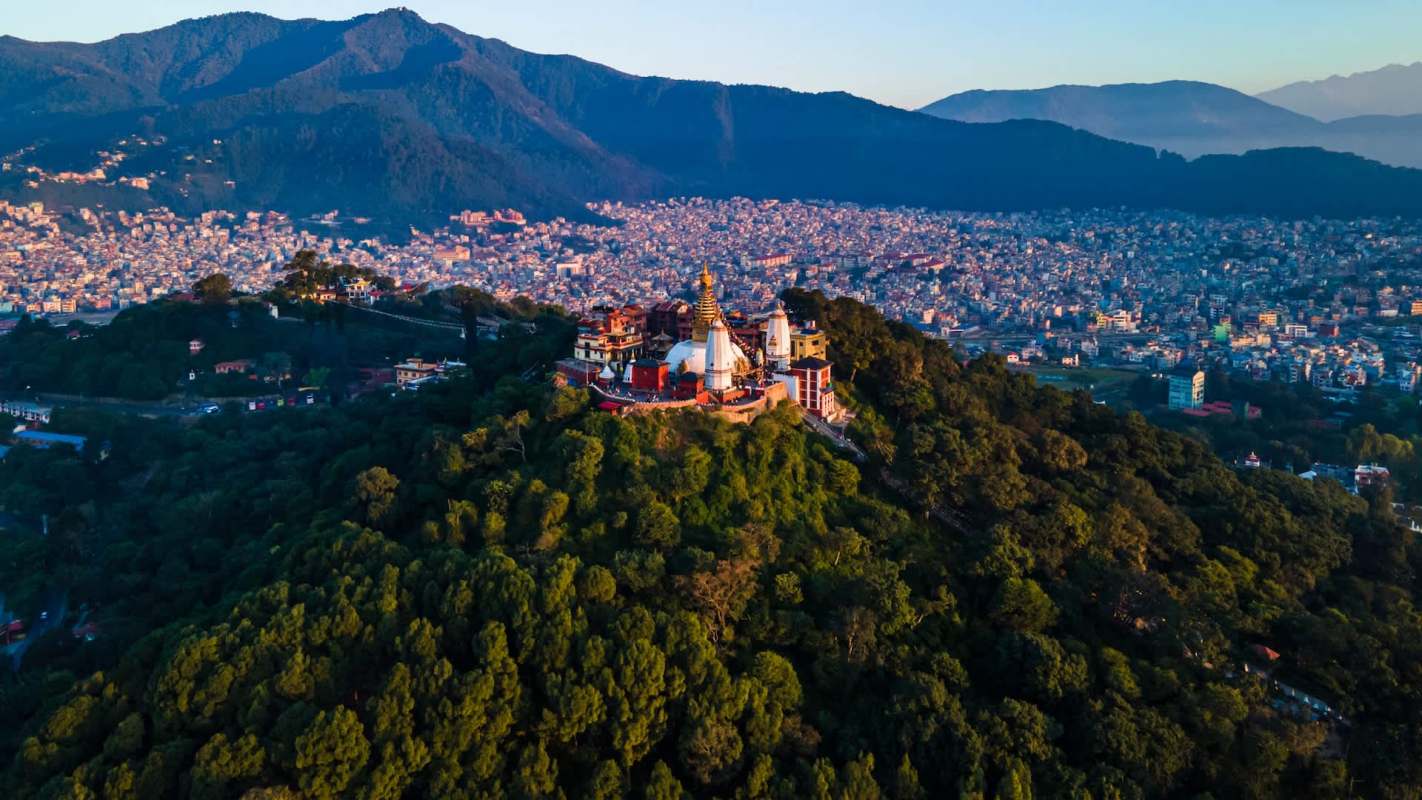
Kathmandu's green spaces are increasingly being overtaken by invasive plants, displacing native species like Indian pennywort that communities depend on for medicinal purposes.
What's happening?
Mongabay reported on how ornamental and imported plants are now taking over parts of Nepal's capital.
"There has been no qualitative assessment in Kathmandu, but our observations show that our native vegetation has been dominated and displaced by many invasive species," botanist Bharat Babu Shrestha told the outlet.
Research by Shrestha and others, published in the journal Environmental Management, indicated that in nearby national parks, native species numbers fell nearly in half, which is something that might be replicated in Kathmandu.
Experts identified Crofton weed, common lantana, parthenium weed, and blue billy goat weed as widely seen non-native species across the city, per Mongabay.
Urban planning choices appear to be contributing to the problem. The publication noted that officials and contractors often favor exotic plants in beautification projects because they are hardy and require less maintenance. Meanwhile, enforcement of long-standing regulations has been weak, and private nurseries openly sell invasive plants.
TCD Picks » Quince Spotlight
💡These best-sellers from Quince deliver affordable, sustainable luxury for all




Why does it matter?
Experts told Mongabay that some imported plants, such as jacaranda or avocado, remain relatively contained, but others spread rapidly and overwhelm local vegetation. Shrestha warned that species such as lantana can form dense canopies that block sunlight, which spells the end for some native species.
That is the critical distinction between non-native and invasive, according to Krishna Prasad Sharma, who co-authored a study on flowering plants in the area.
"Invasive species … release allelochemicals as a weapon to inhibit the growth of other plants around them," Sharma explained to Mongabay. "It modifies the soil properties, impacting farmlands, and its toxicity could also seep into the water system and through the food chain, harming human health."
The ripple effects of invasive species are something seen all across the world. They can crowd out and threaten valuable pollinators and plants, and they can also create ecological threats. Shrestha specifically called out siam weed.
"It's also a fire hazard and helps spread wildfires easily," Shrestha told Mongabay.
What are people saying?
There are some signs of action. Nepal's Forest Research and Training Center put out an 18-point declaration in December 2025 urging better monitoring of non-native plants and more streamlined policies, per Mongabay.
That sounds good on paper, but it will only work in practice if cities like Kathmandu aren't exempt from the rules and the invasive plants are being controlled before they enter into the mix for urban beautification contracts.
"We need a common acceptance that the biodiversity of urban areas is also important and have conservation value," Shrestha concluded to Mongabay. "Urban areas are the hotspots for invasive species, and that should be a common understanding."

Get TCD's free newsletters for easy tips, smart advice, and a chance to earn $5,000 toward home upgrades. To see more stories like this one, change your Google preferences here.







