


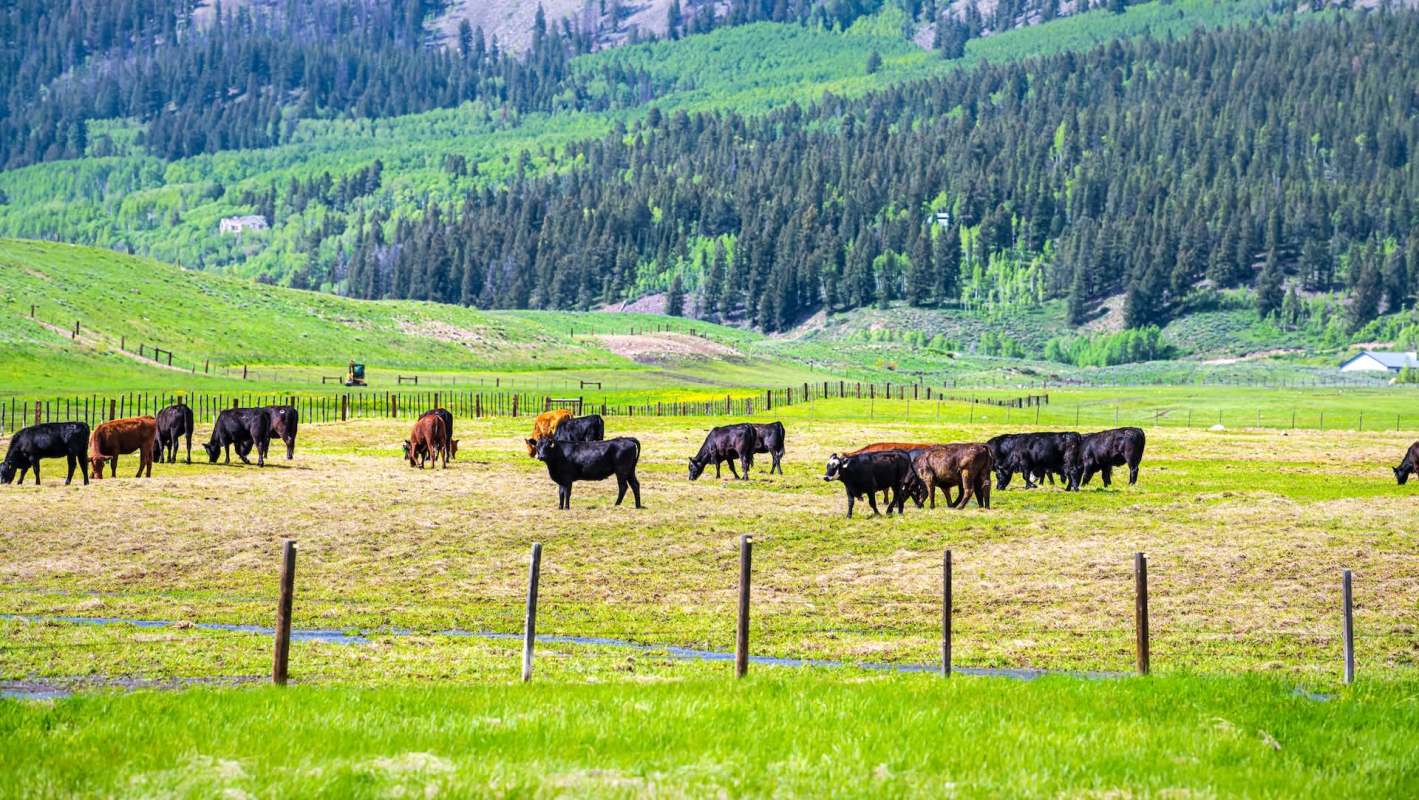
For generations, descendants of the 1844 Sangre de Cristo Land Grant have fought to preserve a shared way of life in Colorado's San Luis Valley — one that depends on access to La Sierra for grazing, firewood gathering, and other rural traditions.
Now, in a new court ruling tied to one of Colorado's longest-running land disputes, those heirs have scored an important victory for one especially vital part of that system: sheep.
As The Colorado Sun reported, the ruling focuses on Cielo Vista Ranch, a 77,000-acre property owned by billionaire William Harrison. Although Harrison owns the ranch, hundreds of land grant heirs still hold certain historic access rights on the land.
Following the February Costilla County hearing, special master David Tenner found that heirs could keep grazing sheep and cattle on La Sierra, while, as The Sun reported, firewood gathering would end in a 233-acre zone around the house.
That split decision carries real weight because sheep grazing requires more than just open space — it also requires people to reach the animals.
Testimony from sheep owners Alonzo Lobato and Richard Kuhn showed that handlers must pass through the disputed area to get to Perdido Canyon, a key grazing area. Unlike cattle, which can wander with less supervision, sheep need what Tenner called "frequent attention" from the people tending them in the mountains.
TCD Picks » Quince Spotlight
💡These best-sellers from Quince deliver affordable, sustainable luxury for all




That detail helped shape the outcome.
In his ruling, Tenner said blocking access around the homesite would effectively shut off a reasonable route to Perdido Canyon. Sheep trails used long ago had grown over during the prolonged access fight, leaving the roughly five-year-old road built for Harrison's house as the only workable way in.
Tenner also said that Harrison's desired privacy zone should be paired with extending a road or path so access-rights holders can still reach the canyon without passing directly through the home area.
The issue is about more than a single ranch road. At stake is whether historic community land rights can coexist with modern private development across a landscape that, according to The Sun, covers about 130 square miles, has 18 mountains over 13,000 feet, and includes Culebra Peak.
For local families, keeping access intact helps preserve traditional ranching practices and supports working lands that have sustained people for generations.
Maintaining established grazing routes can also help prevent animals and handlers from being pushed onto unsafe or improvised paths through sensitive mountain terrain.
The decision marks another chapter in Lobato v. Taylor, a case first filed in 1981 after earlier ranch ownership allegedly blocked land grant heirs from entering La Sierra.
According to The Sun, it is separate from the related court fight over the 8-foot fence Harrison started putting up around the ranch in 2020. Even so, the new ruling represents a meaningful win for heirs who have spent decades defending communal rights tied to culture, food systems, and land stewardship.
The case points to a much larger question playing out across the country: Who gets to use land, and how can communities protect long-held access to natural resources?
Efforts like this can help preserve local agricultural traditions, support rural economies, and protect pathways people have relied on for generations.

Get TCD's free newsletters for easy tips, smart advice, and a chance to earn $5,000 toward home upgrades. To see more stories like this one, change your Google preferences here.







