


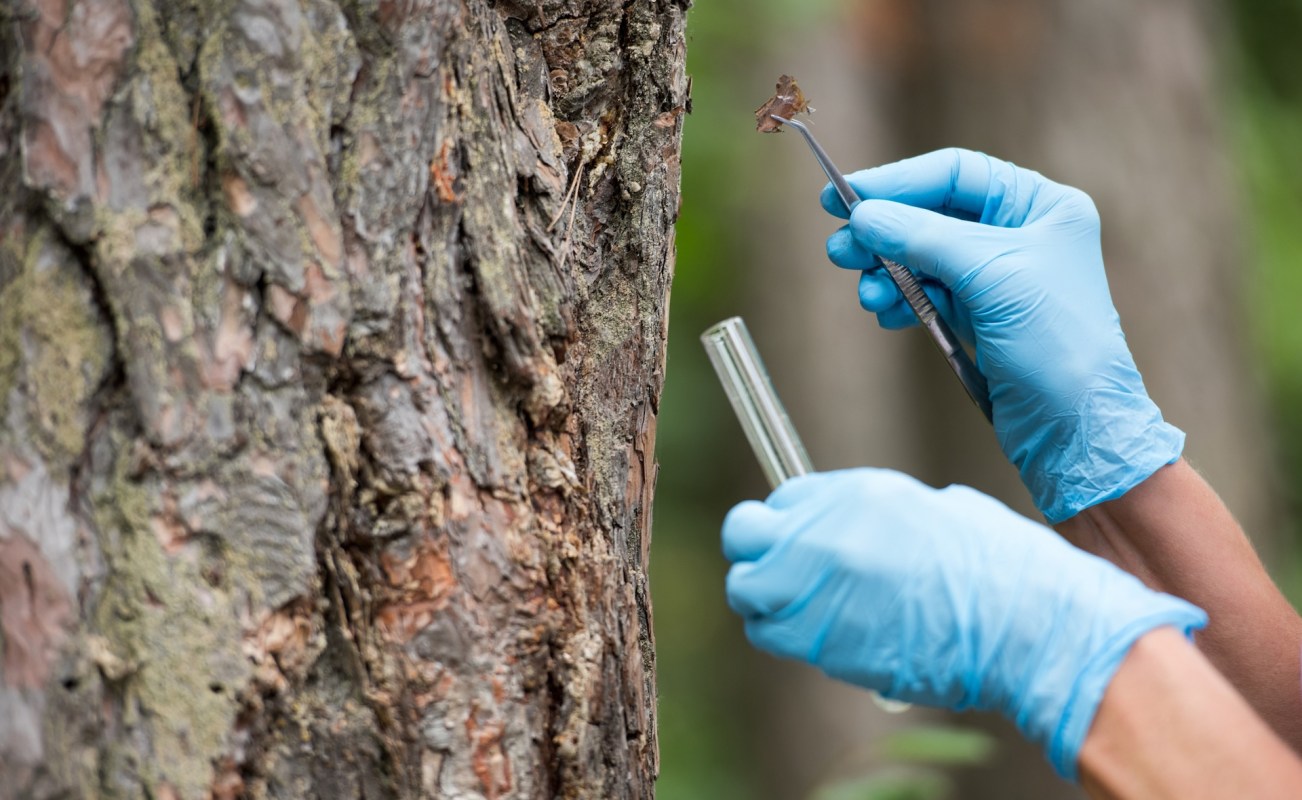
In California, scientists are increasingly turning to conservation genomics — the sequencing of an organism's DNA to identify genetic traits that may help species survive hotter, harsher conditions.
The concept is relatively straightforward. Evolution typically unfolds over thousands of years, but rising temperatures, worsening droughts, stronger wildfires, and warming oceans are changing conditions far more quickly.
Researchers want to know whether the genetic tools needed for survival already exist within vulnerable species.
According to the Los Angeles Times, scientists are studying eelgrass in Southern California and redwoods farther north to identify plants, trees, and hybrids that may be naturally better equipped to withstand environmental extremes.
In Southern California, eelgrass restoration projects are becoming increasingly unreliable as bays warm, water becomes murkier, and extreme high tides stir up sediment.
Researchers say restoration efforts now fail about half the time.
TCD Picks » Quince Spotlight
💡These best-sellers from Quince deliver affordable, sustainable luxury for all




That is a serious concern because eelgrass meadows provide habitat for fish, crabs, and plankton; support migratory birds; and trap carbon and methane in coastal sediments.
In Mission Bay, one research team identified a naturally occurring hybrid eelgrass surviving in areas where its parent species were struggling.
After sequencing the plant's genome, scientists discovered circadian-clock-related genes that remained active longer in low-light conditions — a possible explanation for why the hybrid can photosynthesize more effectively in cloudy, sediment-heavy water.
"Conservation genomics is becoming particularly important because right now, the climate is changing — a plant that was growing great in San Diego Bay, now San Diego Bay might be too hot for it," research professor Todd Michael said, per the Times.
Researchers are applying similar techniques to study redwoods, which store more carbon per acre than any other trees on Earth, according to the report.
Redwoods evolved alongside frequent, low-intensity fire, but today's hotter wildfires and prolonged droughts are creating conditions that trees may be less able to tolerate.
About 95% of old-growth redwoods have already been logged, significantly reducing the species' genetic diversity, the Times noted.
Scientists have successfully sequenced the redwood genome — a remarkable feat given that it is nearly nine times larger than the human genome.
Early studies are beginning to connect specific genes to drought tolerance and temperature resilience, though the Times stated the work remains in its early stages and is limited by funding constraints.
The broader context is sobering. A 2019 scientific report affiliated with the United Nations estimated that 1 million species could face extinction, many within decades, largely because of human activity.
The stakes extend far beyond any single species. Eelgrass helps stabilize coastal ecosystems and supports marine food webs, while redwood forests store enormous amounts of carbon and help regulate climate impacts.
At the same time, experts stress that conservation genomics is not a silver bullet.
Researchers say reducing pollution from burning oil, coal, and gas must remain the top priority if ecosystems are to survive in the long term.
"Can you genetically engineer a few species that would be more tolerant? Absolutely. But that's not an ecosystem," environmental studies professor Karen Holl said. "We're not going to engineer our way out of climate change."

Get TCD's free newsletters for easy tips, smart advice, and a chance to earn $5,000 toward home upgrades. To see more stories like this one, change your Google preferences here.







