


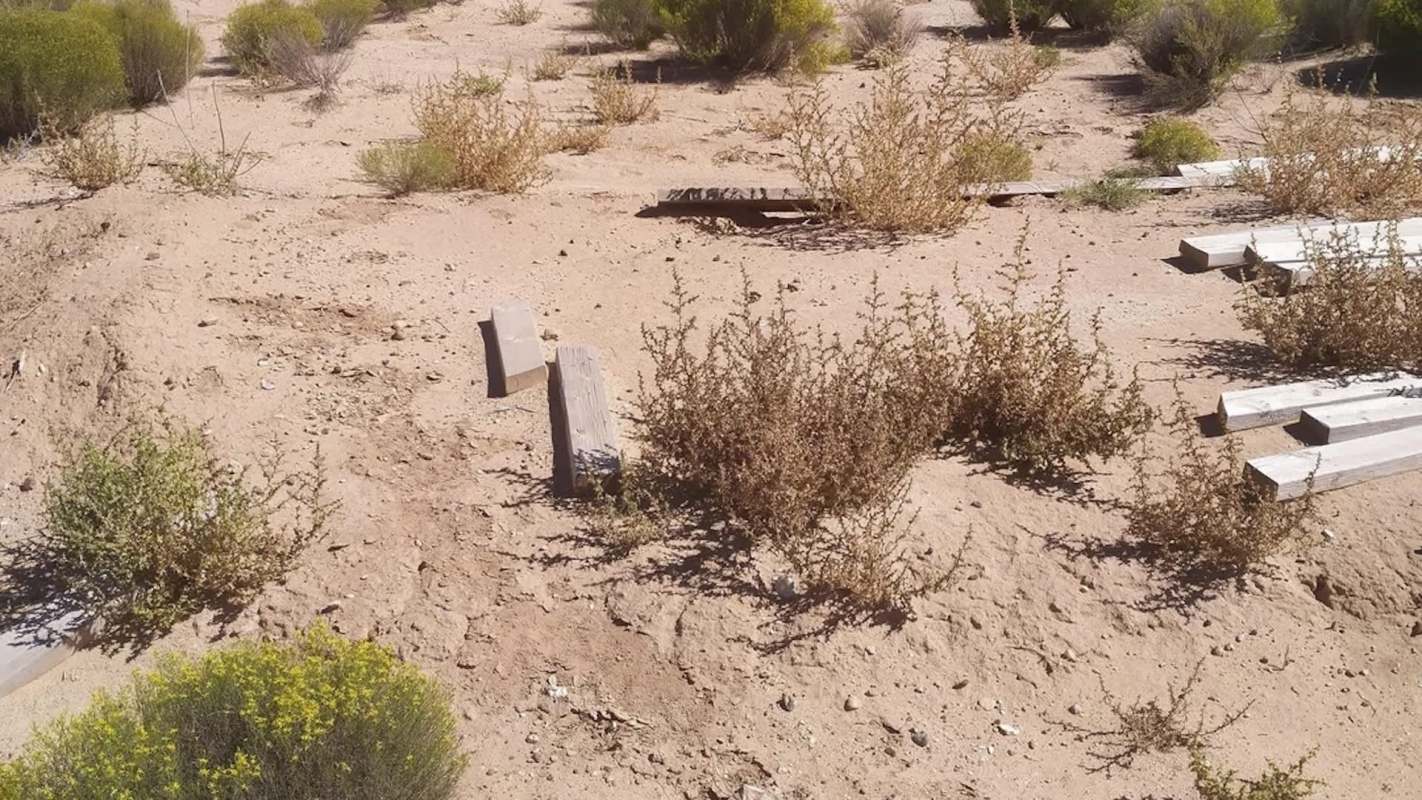
Turning damaged land into productive growing space can seem nearly impossible, especially in dry climates with salty water and poor soil.
But one popular permaculture post is showing how a handful of low-tech strategies can help rebuild soil and transform barren land into a thriving, food-producing landscape.
In a widely upvoted post on Reddit's r/Permaculture forum, one grower shared a dramatic before-and-after of a former Rio Puerco floodplain that had been damaged by upstream damming, erosion, and overgrazing.
The site began with sandy loam soil that drained too quickly, just 1% organic matter, and highly saline irrigation water containing 2,700 milligrams of dissolved solids per liter.
Rather than relying on intensive tilling or heavy chemical outputs, the grower used a no-till system combined with captured rainwater, drip and olla irrigation, cover crops, and manure from goats, mules, and even humans.
"The biggest problem is that the soil had no structure," the original poster wrote. "The answer was cover cropping with high root mass producers (sorghum, barley, rye, legumes)."
TCD Picks » Quince Spotlight
💡These best-sellers from Quince deliver affordable, sustainable luxury for all




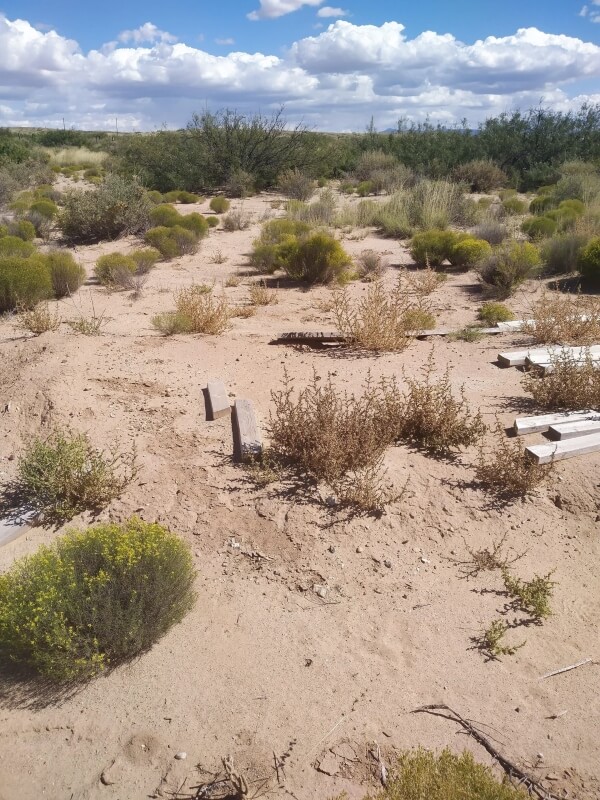
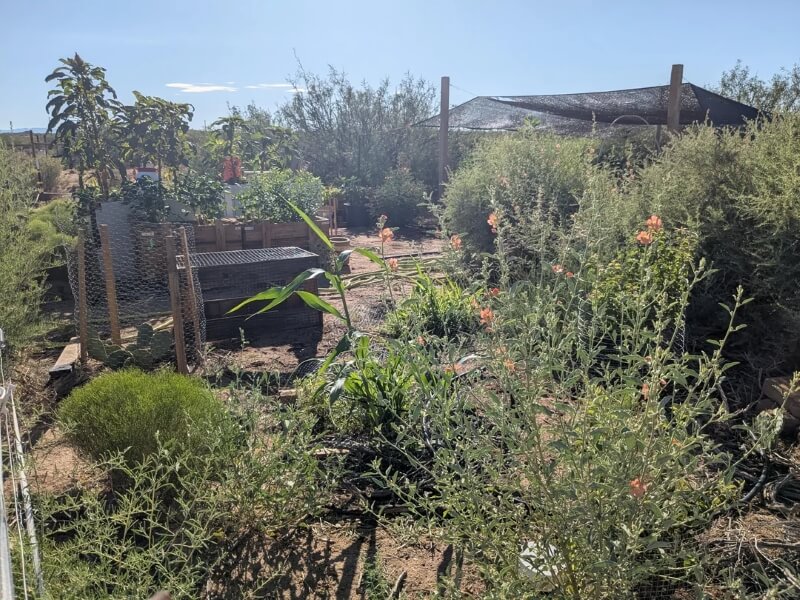
Over time, the roots and added organic matter helped rebuild the soil's structure, improving its ability to retain water and support plant life and making it more of a savanna.
"The first two seasons were difficult. The third season was okay, but the fourth was fantastic," the grower added.
For home gardeners, the post highlights an important lesson. Healthy soil starts below the surface.
Practices such as cover cropping, minimizing soil disturbance, and watering more efficiently can gradually improve growing conditions even in the most difficult environments.
One of the biggest practical benefits of this approach is food security, along with the potential to lower grocery bills.
When gardeners can turn struggling land into productive garden space, they can grow more of their own fruits, vegetables, and herbs instead of relying entirely on store-bought produce. Homegrown food also tends to taste fresher because it can be harvested at peak ripeness rather than shipped long distances.
Gardening can support mental and physical health as well. Spending time outdoors, moving regularly, and caring for plants can help reduce stress while encouraging physical activity. For many growers, the process itself becomes just as rewarding as the harvest.
From an environmental standpoint, regenerative growing methods like these can provide major benefits over time.
No-till methods help protect beneficial soil organisms, while cover crops reduce erosion and improve water retention. Drip and olla irrigation systems use water more efficiently than traditional watering methods, which is especially valuable in drought-prone regions.
Rainwater catchment can also reduce dependence on outside water supplies, and diverse plantings can help restore habitat in areas where biodiversity has declined.
As soil health improves naturally, growers may also be able to reduce their reliance on synthetic fertilizers and other chemical outputs.
Redditors were amazed by the transformation.
"Incredible! Great work!" one commenter wrote.
"Well done! What a transformation!" another said.
"Awesome work. Love seeing how good stewardship and intelligent planting can transform the landscape," a third commenter added.

Get TCD's free newsletters for easy tips to save more, waste less, and make smarter choices — and earn up to $5,000 toward clean upgrades in TCD's exclusive Rewards Club.






