


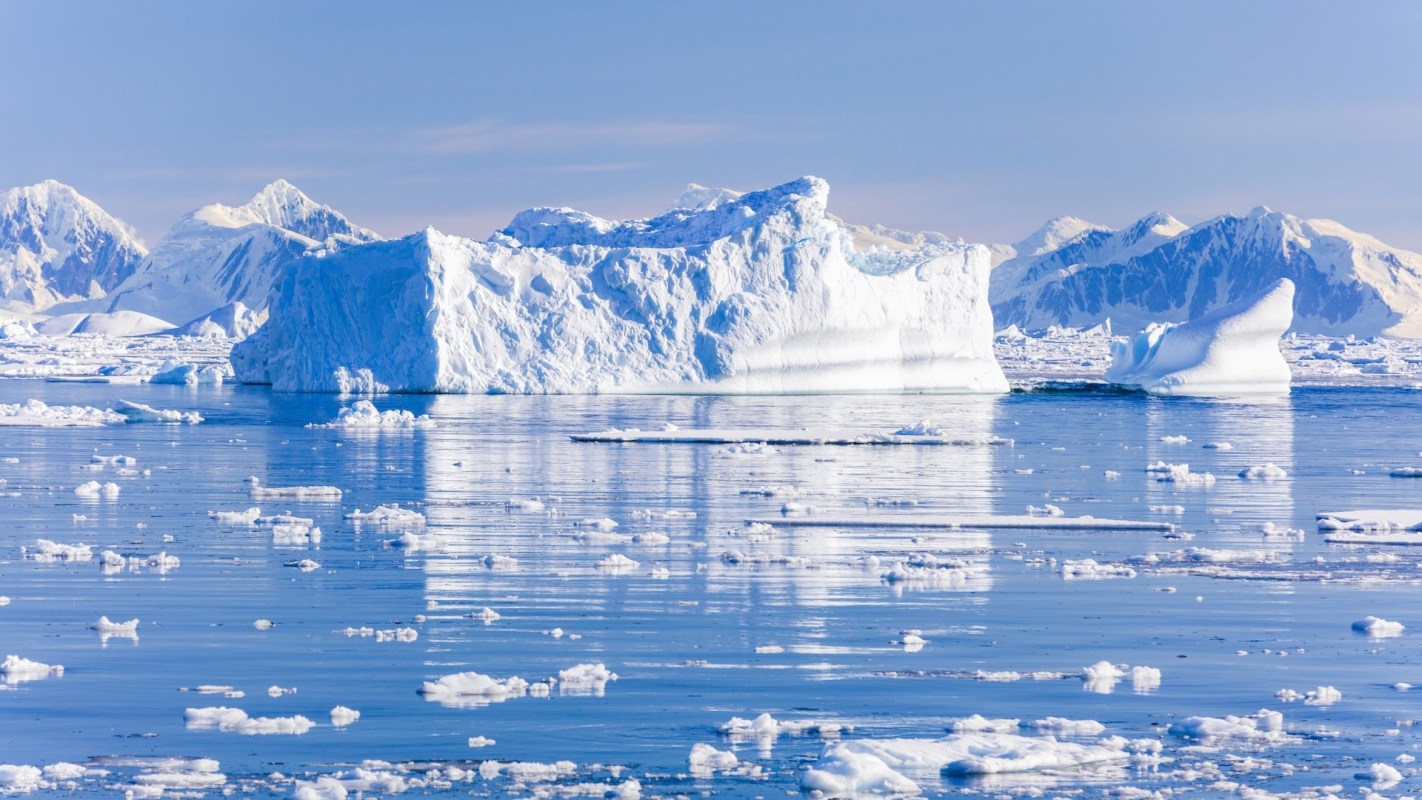
A study has suggested that Antarctica's ice shelves are thinning sooner than earlier models indicated, a warning sign that sea-level rise could start speeding up sooner than predictions indicated.
The findings, published in the journal Nature Communications, matter far beyond the frozen continent.
Ice shelves act like giant braces, helping hold back land-based ice. When they weaken, more ice can slide into the ocean, putting coastlines around the world at greater risk of flooding.
The study examined warmer ocean water wearing away the shelves from underneath, weakening the floating ice that helps slow the enormous glaciers and ice sheets behind them.
The problem is especially concerning because this process can feed on itself: warmer water thins the shelves from below, leaving them more vulnerable to cracking, retreat, and collapse.
Once that buttressing effect is reduced, continental ice can move faster into the sea, a change that could accelerate sea-level rise this century.
TCD Picks » Quince Spotlight
💡These best-sellers from Quince deliver affordable, sustainable luxury for all




In real-world terms, that means coastal planners may need to rethink flood and inundation timelines. Communities that thought they had decades before reaching certain levels of water encroachment may have less time than expected to get ready.
Faster sea-level rise can lead to more frequent nuisance flooding, worse storm surge damage, saltwater intrusion into freshwater supplies, and rising costs for roads, ports, sewage systems, and homes.
It can also force difficult decisions about where communities can safely rebuild and where retreat may eventually become necessary.
For families and local governments, that can mean higher insurance costs, property damage, disrupted schools and businesses, and expensive infrastructure upgrades.
Scientists are continuing to improve satellite monitoring, ocean measurements, and ice modeling so communities can get clearer forecasts and a better sense of how quickly conditions are changing.
Research like this can help city leaders, engineers, and emergency planners update flood maps, building standards, and long-term infrastructure plans before the worst impacts arrive.
For coastal communities, adaptation is critical. That can include restoring wetlands and other natural buffers, investing in seawalls and stormwater systems, revising zoning rules, and planning ahead for managed retreat in the most vulnerable areas.
The sooner these decisions happen, the more options communities have.
For individuals, supporting policies that accelerate clean energy, advocating for resilient infrastructure investments, and urging local officials to plan for future flooding using the latest science instead of outdated assumptions can result in meaningful action.

Get TCD's free newsletters for easy tips, smart advice, and a chance to earn $5,000 toward home upgrades. To see more stories like this one, change your Google preferences here.







