


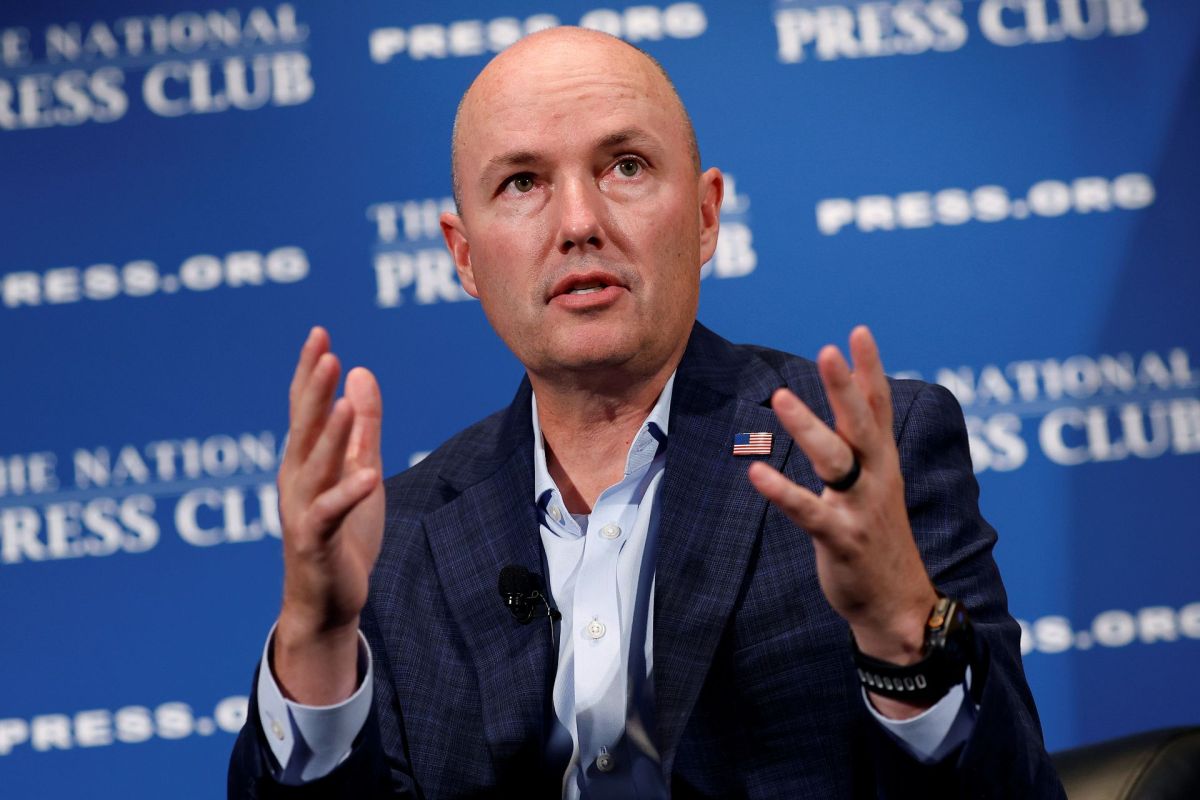
Utah Gov. Spencer Cox has portrayed the proposed Box Elder data center as part of a larger AI infrastructure contest, not merely a local development project, according to Deseret News.
Those remarks were made publicly on May 11 as nearby residents and environmental groups were objecting over possible strain on water and power and the shift of rural land in Utah's high desert.
What's happening?
Cox said the proposed Box Elder data center should be viewed as a national security matter connected to global AI competition. He also referenced China's fast-growing AI computer buildout as a reason for Utah to invest in comparable infrastructure rather than fall behind, Deseret News reported.
"I don't know that we have our eyes as open as we should on this," Cox told the audience. "If China beats us to that, they lock us down, and I don't know where we go from there."
At the same time, opposition to the proposal is growing among people in the area, who say the project could place heavy pressure on local resources. Critics have raised concerns about how much water a large data center may require for cooling, how much power it could draw from the grid, and what it would mean to convert open desert land into industrial tech infrastructure.
The debate reflects a broader tension playing out across the country. State leaders and developers are moving quickly to attract AI-related investment, while communities are asking who will bear the environmental and economic costs.
TCD Picks » Quince Spotlight
💡These best-sellers from Quince deliver affordable, sustainable luxury for all




Why is the Box Elder data center concerning?
Large data centers can have an outsized impact on the places where they are built, especially in dry regions.
Facilities tied to AI are often even more resource-intensive because training and running advanced models require enormous computing power around the clock. That can translate into major new electricity demand, significant water consumption for cooling, and additional pressure to build transmission lines, power plants, and related infrastructure.
That is especially important in a desert state, where water supplies are already under close scrutiny and where residents may be wary of industrial development changing the character of rural communities. Even when projects promise jobs and tax revenue, critics often question whether the long-term tradeoffs are worth it.
AI's growth is also deeply tied to the energy grid.
On one hand, AI tools can help utilities forecast demand, reduce waste, improve battery performance, and better integrate wind and solar power into electricity systems. On the other hand, the boom in AI computing is driving a surge in power demand from data centers, which can make it harder to cut pollution, increase strain on local grids, and potentially contribute to higher energy costs for households and businesses.
That is part of why the Box Elder proposal has become about more than a single local land-use dispute. It sits at the intersection of technological competition, public resource use, and the question of how communities should weigh economic development against long-term environmental pressure.
What's being done about the Box Elder data center?
For now, public opposition is one of the biggest checks on the project. Residents and environmental advocates are raising concerns about water, power, and land use, putting pressure on decision-makers to more fully examine the project's potential impacts before it moves forward.
As AI infrastructure expands, experts are increasingly arguing that growth should be paired with smarter planning. That can include investing in grid upgrades, accelerating renewable energy and storage, improving efficiency standards for data centers, and ensuring local residents have a meaningful voice in whether and how major projects are approved.
The fight over the Box Elder facility shows that AI's future will not be shaped only by software breakthroughs or geopolitical competition. It will also be shaped by physical questions on the ground: how much land, water, and electricity communities are willing to devote to the technology, and who gets to decide.

Get TCD's free newsletters for easy tips, smart advice, and a chance to earn $5,000 toward home upgrades. To see more stories like this one, change your Google preferences here.






