


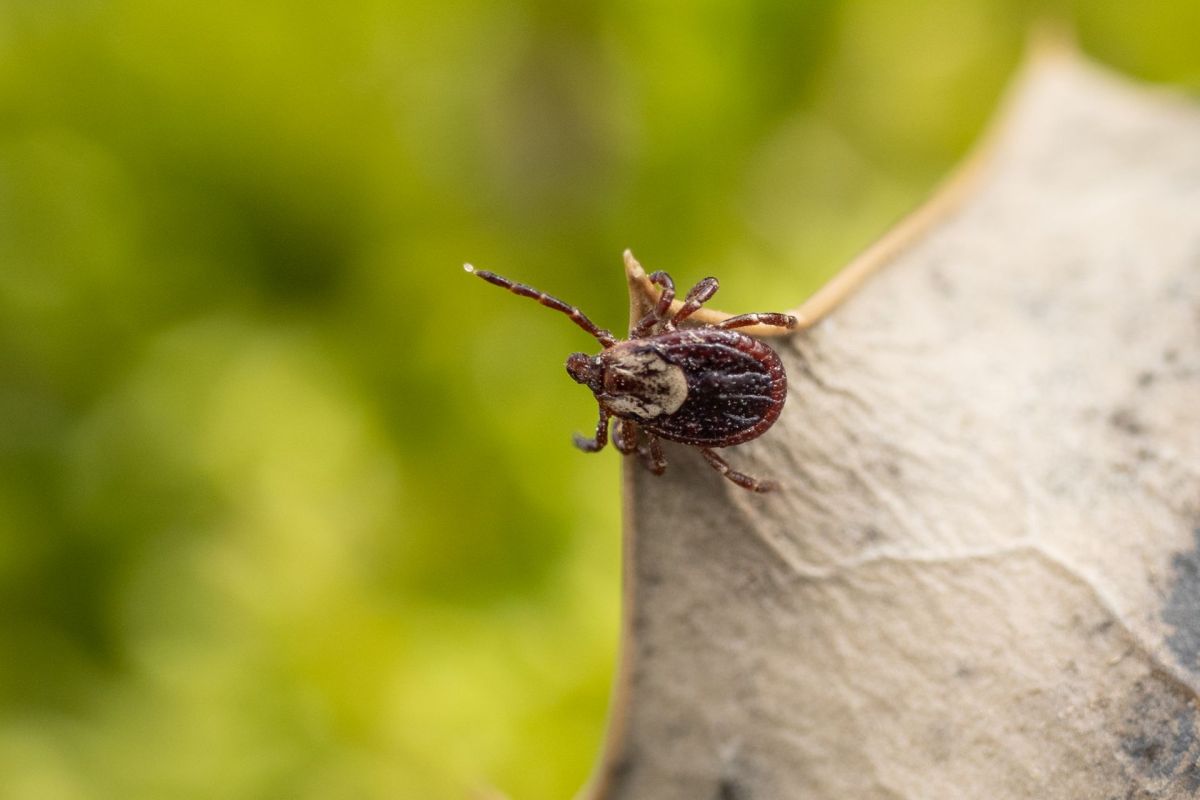
Tick-borne co-infections are emerging as a public health concern, as scientists now warn that ticks are increasingly carrying multiple disease-causing pathogens at once, raising the risk that a single bite could lead to more than one illness.
What's happening?
Research presented through the Infectious Diseases Society of America found that ticks carrying more than one pathogen are becoming more common across the Northeast. According to findings, about one-tenth of nymphal ticks were positive for two or more diseases.
That is especially significant because nymphs, the tiny immature form of the tick, are easy to overlook and already play a major role in human infections. In addition to the bacterium behind Lyme disease, researchers reported notable increases in the parasite that causes babesiosis.
Experts said that focusing only on Lyme treatment may miss part of the problem when another infection is present. In other words, tick-borne illness is becoming more complex at the same time ticks are expanding into more areas.
The IDSA reported that researchers linked the trend to milder winters, broader tick habitat, and increasing tick numbers in states that had previously seen less impact.
Why is this concerning?
The central concern is that a tick bite may now lead to more than one illness, making diagnosis, treatment, and recovery more difficult. A person who is tested or treated only for Lyme disease may continue feeling unwell if another infection is present.
TCD Picks » Quince Spotlight
💡These best-sellers from Quince deliver affordable, sustainable luxury for all




That makes this an important public health issue because it changes how patients, doctors, and health systems may need to think about tick exposure. For many, a tick bite, currently at record highs, once meant watching primarily for signs of Lyme disease. Now the risk may be broader, particularly in the Northeast, where tick ranges are shifting, and cases may become harder to sort out.
There is also a wider environmental trend behind the change. Milder winters caused by a warming planet can help ticks survive in larger numbers, while longer warm seasons and increased drought give them more time to spread. As their habitat grows, more communities may find themselves facing a problem that once seemed more limited by geography or season.
In everyday terms, that means people spending time outdoors — hiking, gardening, walking dogs, or doing yardwork — may need to think of tick prevention as a routine health habit rather than an occasional precaution.
What's being done about tick co-infections?
Researchers and public health officials are watching these shifts more closely, and the findings could support broader testing, improved surveillance, and stronger awareness among clinicians in higher-risk areas.
For individuals, prevention remains one of the most effective tools. That includes using tick repellent, wearing long sleeves and pants in brushy or wooded areas, checking carefully for ticks after spending time outdoors, and removing ticks quickly. Pet owners can also speak with veterinarians about prevention, since animals can bring ticks inside the home.

Get TCD's free newsletters for easy tips, smart advice, and a chance to earn $5,000 toward home upgrades. To see more stories like this one, change your Google preferences here.






