


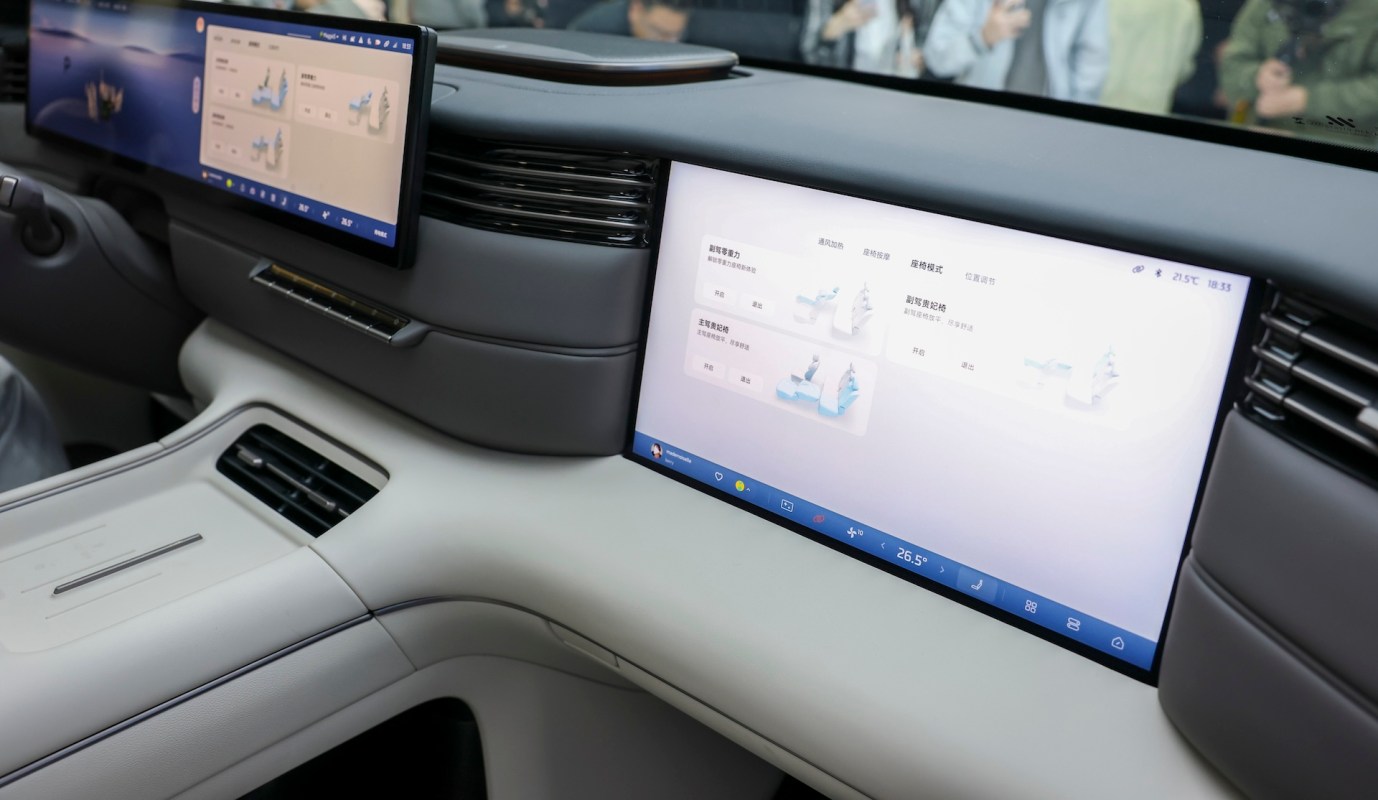
The U.S. says its ban on Chinese software in cars is about national security. But the policy may also carry a different cost — it could push American automakers further from the fast-moving EV ecosystem that much of the world is building around Chinese technology.
According to reporting from Rest of World, the rule may do more than keep Chinese-developed software off U.S. roads. Analysts and industry leaders say it could also separate U.S. carmakers from the evolving standards, alliances, and linked systems increasingly defining the global EV market.
The shift follows a March 17 decision to bar vehicles with Chinese software, with enforcement beginning in July for cars arriving at dealerships. Automakers selling in the U.S. must certify that their connected systems do not include code developed in China.
The concern is not just about who makes the cars. Chinese EV companies such as BYD are building entire technology stacks rather than simply assembling vehicles. As Rest of World reported, BYD keeps much of that work under one roof — including batteries, chips, and software — helping it coordinate the system more tightly while moving faster and controlling costs.
Many U.S. automakers operate differently. Rather than relying on a single integrated platform, they often piece together systems from multiple suppliers. Rest of World noted, for example, that a Ford EV may combine dashboard software from one company, brake and steering software from another, and batteries sourced overseas.
The divide is especially visible in batteries, charging, and self-driving technology. Much of the global market is shifting toward lithium iron phosphate batteries, which are generally seen as lower-cost, safer, and more durable than the nickel-based batteries still common in many U.S. vehicles.
TCD Picks » Quince Spotlight
💡These best-sellers from Quince deliver affordable, sustainable luxury for all




Rest of World also reported that China and Japan are developing ChaoJi, a next-generation charging plug with higher power capacity, while North America continues to use a different standard. In autonomous driving, Chinese systems can gather far more real-world driving data because they have significantly more self-driving vehicles on the road.
For drivers, the implications could be tangible: fewer affordable EV choices. Rest of World reported that BYD offers its cheapest car for roughly $7,800. The average EV in the U.S., by contrast, costs over $55,000. If American automakers continue to lag on cost and innovation, consumers may be left paying more for longer.
There is also the risk of global lock-in. As more countries build charging networks, service infrastructure, and software systems around Chinese EV specifications, changing direction later would be costly and disruptive. That would leave U.S. automakers increasingly cut off from the partnerships that help competitors improve speed, software, electronics, and affordability.
As CEO of Shanghai-based consultancy Automobility Limited and a former Chrysler executive, Bill Russo, told Rest of World, if U.S. automakers are "shielded from Chinese competition at home but are not competitive on cost, speed, or intelligence abroad, they risk becoming regionally relevant rather than globally formative."

Get TCD's free newsletters for easy tips, smart advice, and a chance to earn $5,000 toward home upgrades. To see more stories like this one, change your Google preferences here.






