


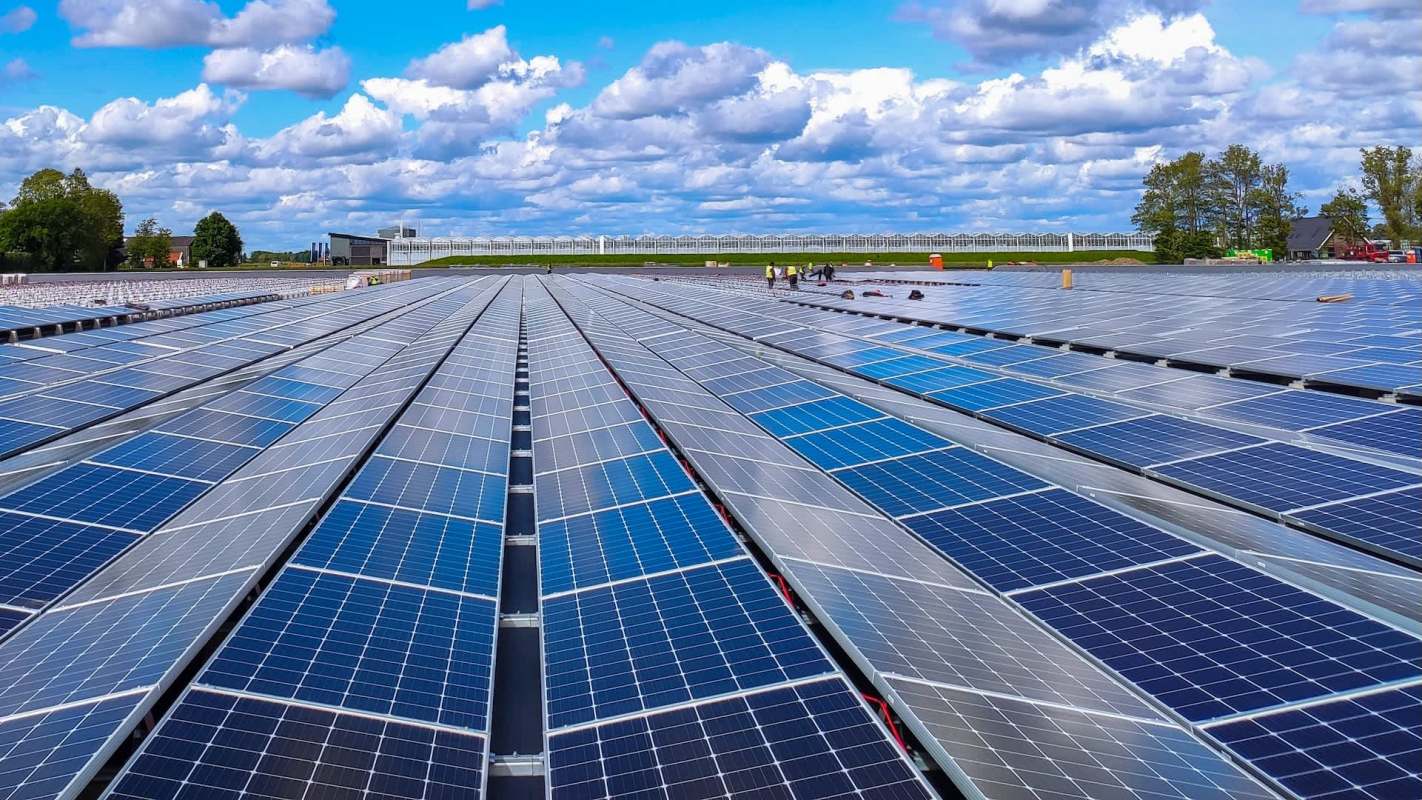
California's canal-top solar pilot has wrapped up, and the early results suggest the idea could do much more than generate clean electricity. It could also help protect one of the state's most precious resources: water.
As PV Magazine detailed, the 1.6-megawatt Nexus project, completed in September, was built over canals operated by the Turlock Irrigation District. The pilot is the first of its kind in the country and was designed to test whether solar panels installed above active irrigation canals can reliably produce power while reducing evaporation, limiting algae growth, and avoiding the need for additional land.
The project launched in 2022 through a public-private collaboration among TID; the California Department of Water Resources; Solar Aquagrid; and the University of California, Merced.
The collaboration helped move the idea beyond theory and into real operating conditions. The team used the pilot to study how canal-based solar performs across an irrigation season in an agricultural region where both electricity and water are under increasing pressure.
According to the project's initial findings, canal sections covered by solar arrays saw evaporation reductions of 50-70% over a full irrigation season. The covered sections also recorded an 85% drop in algae growth, which could reduce maintenance needs and operating costs for water managers.
Researchers also tracked electricity production, water quality, aquatic vegetation growth, and canal maintenance requirements, providing a broader view of whether this kind of system can work at scale.
TCD Picks » Quince Spotlight
💡These best-sellers from Quince deliver affordable, sustainable luxury for all




The pilot tested several designs, including broad-span structures above wide canals, smaller systems over narrow channels, vertical setups along canal banks, and early retractable prototypes, according to PV. A battery energy storage system was also added at the narrowest site using 75-kilowatt iron-flow batteries from battery manufacturing company ESS.
Together, those setups are helping developers understand how they might adapt canal solar to varying hydraulic and structural conditions across California's vast canal network.
That is where the bigger promise comes in. A University of California study estimated that covering roughly 4,000 kilometers (2,485 miles) of California canals could conserve 63 billion gallons of water annually — enough for 50,000 acres of farmland or the residential needs of more than 2 million people.
For communities, that could mean a more resilient water system, less land pressure for new solar development, and more clean energy feeding the grid.
Others are putting solar panels on existing spaces, such as farmland, cemeteries, and parking lots, in efforts to reduce the need for additional land use.
The Nexus project has the added benefit of water preservation. As drought worsens worldwide and cities implement water restrictions, systems like this will become increasingly vital to protecting communities, the environment, and the global food supply.
At its core, the Nexus project was built to "generate empirical data under real-world operating conditions" and explore the "dual use of existing infrastructure," PV wrote. So far, the early numbers suggest the idea is more than just a clever concept.
"Project Nexus has the potential to demonstrate a new, innovative water-energy nexus project that can be replicated elsewhere in the state and nation to increase efficiencies in managing limited natural resources," its website states.

Get TCD's free newsletters for easy tips, smart advice, and a chance to earn $5,000 toward home upgrades. To see more stories like this one, change your Google preferences here.






