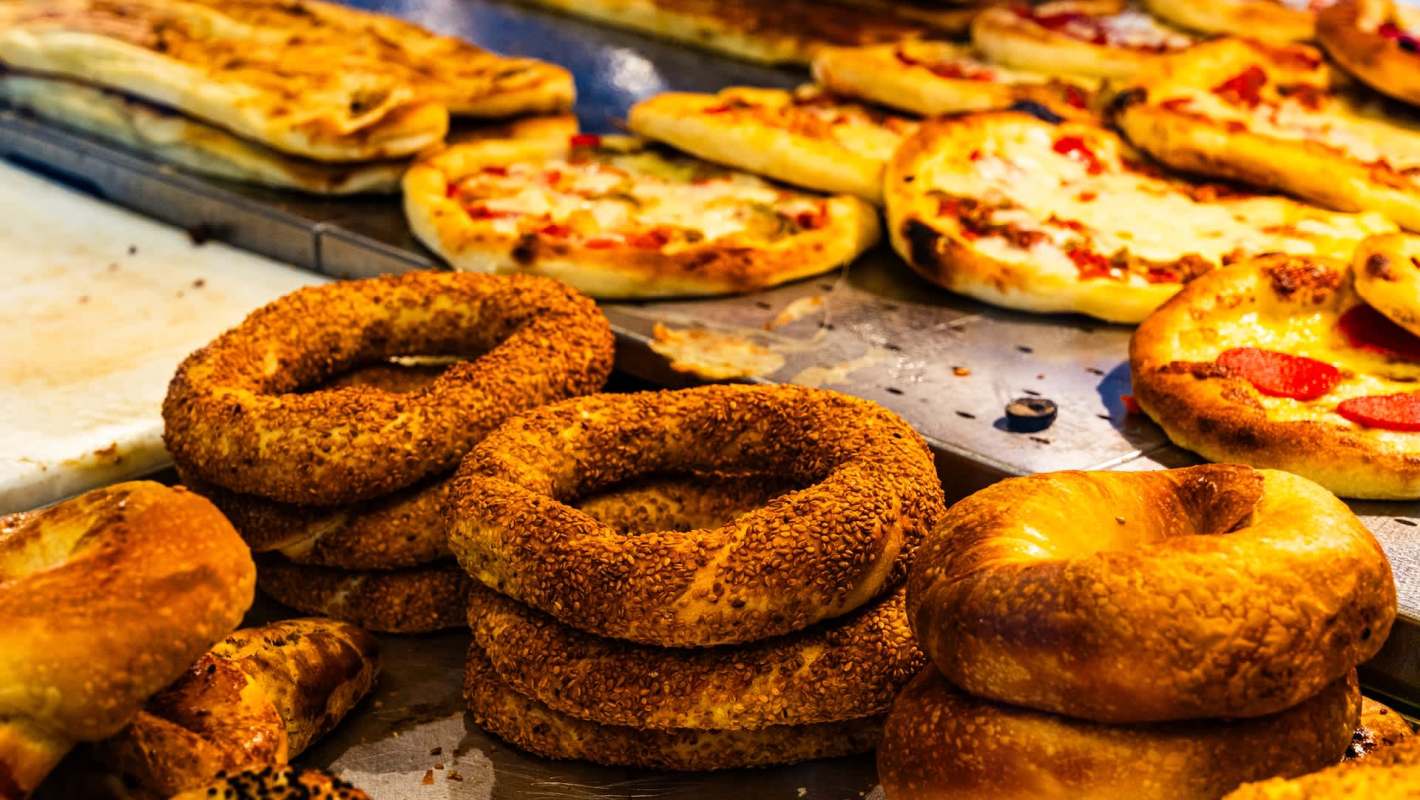
New York's iconic pizza slices and bagels could soon be made without a staple ingredient that has raised health concerns for years.
What's happening?
New York lawmakers have moved forward with a bill that would ban potassium bromate, a flour additive commonly used to strengthen dough and make it appear whiter, as detailed by People.
The Food Safety and Chemical Disclosure Act cleared both legislative chambers in New York on April 21, putting the measure one signature away from becoming law. If Governor Kathy Hochul signs it into law, New York would join a growing push to remove certain additives tied to cancer and other health risks from the food supply.
The targeted additive, potassium bromate, is often added to flour to help dough rise higher and create a more uniform finished product, according to the Environmental Working Group. That makes it especially relevant in a state where pizza and bagels are more than staples — they are part of the culture.
However, the ingredient has also been associated with cancer and declining kidney function, according to a study published in Environmental Health Perspectives. If signed into law, the New York bill would, as People reported, bar the manufacture and sale of foods containing potassium bromate, in addition to Red 3 and propylparaben.
Lawmakers framed the measure as both a public health safeguard and a transparency upgrade. The bill would also require companies to disclose ingredients they have kept under the FDA's "Generally Recognized as Safe," or GRAS, designation, arguing that consumers should be able to see what is in the food they buy.
TCD Picks » Quince Spotlight
💡These best-sellers from Quince deliver affordable, sustainable luxury for all




Why is it important?
The proposal could have effects far beyond a single ingredient list.
Cleaner labels can help families make more informed decisions at the grocery store, and stronger disclosure rules may push manufacturers toward safer alternatives. That is especially important when additives linked to serious health concerns may be present in everyday pantry staples.
The legislation also reaches school food. According to People, it would amend education law to bar public schools from selling foods with several dyes — Red 3 and Red 40, plus Blue 1 and Blue 2, along with Green 3, Yellow 5, and Yellow 6 — with some exemptions for off-premises sales or items sold at least an hour after the school day ends.
Removing those ingredients from foods and drinks has seen broad bipartisan and public support, with the Trump administration continuing efforts begun by the Biden administration's FDA in 2024 under its "Make America Healthy Again" initiative, also known as MAHA.
Supporters argue that convenience and appearance should not outweigh health, particularly in communities that rely on affordable everyday foods, though some companies have been hesitant to make the change since they have reported sales increases from the use of bright colors. For consumers, the change could mean fewer hidden risks in commonly purchased items and more confidence about what ends up on the dinner table.
What's standing in the way?
Not everyone is expected to see the change as simple.
Food makers and bakers may worry about sales impacts, reformulation costs, texture changes, supply disruptions, or higher prices, all of which pose challenges for small businesses already operating on thin margins. The bill attempts to address some of those concerns by exempting small businesses for three years.
Supporters have pointed to California and the European Union as proof that companies can transition away from these additives.
As the bill states, "New Yorkers deserve to know what they are consuming."
A co-sponsor of the measure, New York State Senator Cordell Cleare, told People, "I strongly support the food safety and chemical disclosure act because any substance that is linked to cancer has no place in our food, period."
"Other countries have banned potassium bromate without any diminution in the quality of flour-based products, and the same will happen in New York," she said.

Get TCD's free newsletters for easy tips, smart advice, and a chance to earn $5,000 toward home upgrades. To see more stories like this one, change your Google preferences here.