


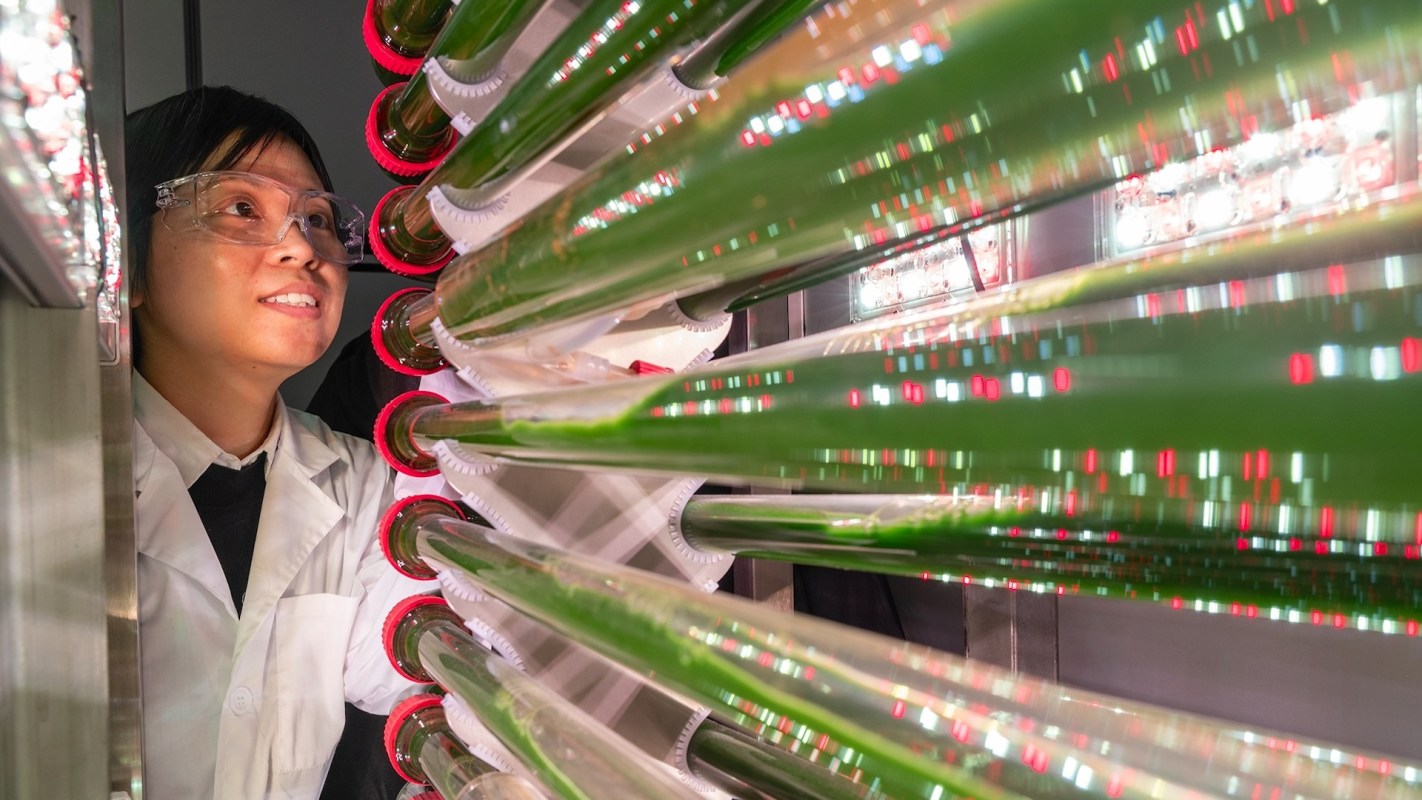
When life gives you lemons, make limonene. That's what one researcher at the University of Missouri did, anyway, when bioengineering algae to remove microplastics from drinking water.
In her recent study, published in Nature Communications, Susie Dai, a professor in the college of engineering and principal investigator at the Bond Life Sciences Center, used genetic modification to engineer algae that produce limonene, a naturally occurring oil responsible for the scent of oranges, SciTechDaily reported.
This bioengineered strain of algae can bind to and remove microplastics from contaminated water. The algae also thrive in wastewater. In this environment, they absorb excess nutrients, purifying the water.
Dai also focuses on turning the extracted plastic into workable products, such as composite bioplastic films.
"Microplastics are pollutants found almost everywhere in the environment, such as in ponds, lakes, rivers, wastewater, and the fish that we consume," Dai said, according to SciTechDaily. "Currently, most wastewater treatment plants can only remove large particles of plastic, but microplastics are so small that they slip through and end up in drinking water, polluting the environment and harming ecosystems."
Microplastics have now been found nearly everywhere on Earth and in almost every part of the human body. Their size and ubiquity make them difficult to remove. While researchers are still uncertain about the full breadth of implications of their presence for human health and the environment, it doesn't look good.
TCD Picks » Quince Spotlight
💡These best-sellers from Quince deliver affordable, sustainable luxury for all




Researchers have been hard at work developing plastic alternatives for many products using materials such as potatoes, seaweed, and milk protein to help avoid adding new waste to what already exists. However, removing what exists is also a vital step in protecting human and ecological health.
Other researchers have also found effective ways to remove microplastics from water, such as using sawdust, magnetic absorbents, and moringa tree seeds. However, unlike Dai's solution, they don't treat wastewater or use the collected material to make new bioplastics.
"By removing the microplastics, cleaning the wastewater, and eventually using the removed microplastics to create bioplastic products for good, we can tackle three issues with one approach," Dai said, according to SciTechDaily.
Dai's team grows algae in controlled bioreactors designed for large-scale applications, and the hope is to integrate the process into wastewater treatment plants. One 100-liter unit named "Shrek" is already in action, processing industrial flue gas in an effort to reduce air pollution.
"Ultimately, this platform provides a viable and sustainable pathway to address microplastic pollution by creating value through plastic upcycling, wastewater nutrient removal, and carbon dioxide-based bioproduction," the study stated.

Get TCD's free newsletters for easy tips, smart advice, and a chance to earn $5,000 toward home upgrades. To see more stories like this one, change your Google preferences here.






