


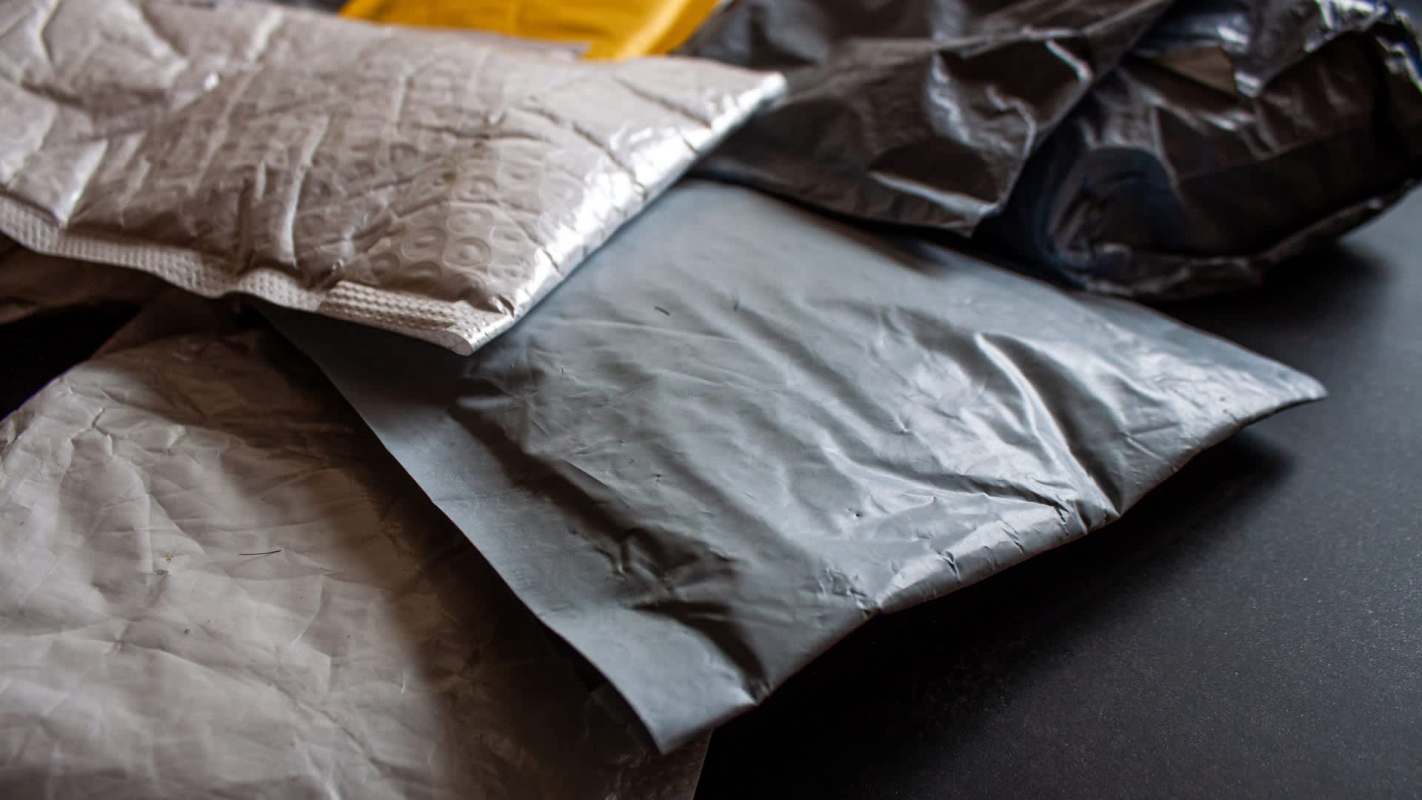
Texas officials are warning residents not to open mysterious packages of seeds they get in the mail, as they could be dangerous.
According to an NBC 5 Dallas-Fort Worth report, packages of unidentified seeds have been showing up in people's mailboxes across the state. The Texas Department of Agriculture said it has collected 1,101 seed packages since February 2025.
The TDA is advising residents not to open packages of unsolicited seeds, and definitely not to plant them. Officials are asking those who get these suspicious packages to immediately contact the TDA by calling 1-800-TELL-TDA.
"At a glance, this might seem like a small problem, but this is serious business," said Texas Agriculture Commissioner Sid Miller, per NBC 5. "The possible introduction of an invasive species to the state via these seeds poses real risks to Texas families and the agriculture industry."
Miller sent out a similar warning back in 2020, when these mysterious seed packages from China started arriving in multiple states. Ohio, New Mexico, and Alabama have also reported similar cases.
The USDA's Animal and Plant Health Inspection Service has been working with the TDA to carefully destroy the seeds — which were determined to be from the highly invasive sacred lotus plant — by using steam sterilization.
TCD Picks » Quince Spotlight
💡These best-sellers from Quince deliver affordable, sustainable luxury for all




Invasive plants pose a significant risk to local ecosystems as they outcompete native plants for water, sunlight, and other resources, and can spread quickly.
Those who live in the South are probably aware of kudzu, a creeping vine that can grow a foot a day, completely swallowing entire landscapes. Also known as "the vine that ate the South," kudzu has grown its way into the Midwest, Northeast, and even as far as Oregon.
Plants like English ivy, Chinese wisteria, and running bamboo can even be found at garden centers, and once established, are incredibly difficult to remove.
These plants are more than just annoying to get rid of; they're extremely costly. A study from 2021 estimated that invasive plant species have cost North America over $26 billion per year since 2010.
"Whether it's part of an ongoing scam or something more sinister, we are determined to protect Texans," Miller said. "Unsolicited seeds coming into our country are a risk to American agriculture, our environment, and public safety."

Get TCD's free newsletters for easy tips, smart advice, and a chance to earn $5,000 toward home upgrades. To see more stories like this one, change your Google preferences here.







