


Earth Day may be officially commemorated on April 22, but that doesn't mean it can't be celebrated year-round in myriad ways.
One fun way? Online users can spell their name — or anything, really — with satellite images from all over the world, thanks to the National Aeronautics and Space Administration's powerful Landsat satellites.
Using aerial images of various landscapes with distinct features and markings that resemble the letters of the Latin alphabet, anyone can easily create a unique piece of art inspired by Earth's natural beauty.
For example, the famous Google Doodle — the temporary alteration of the Google logo in honor of various holidays, events, and observances — used the Landsat satellite to spell "Google" for Earth Day.
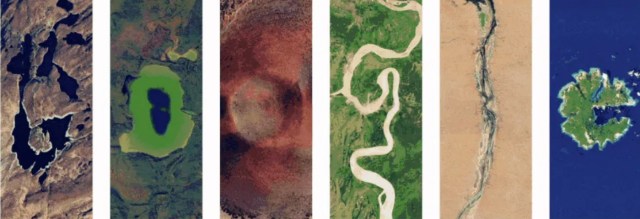
You can test out the feature yourself and find your name hidden among images from around the world by visiting NASA's Landsat name search function.
Simply type your name, click "enter," and voilà! You'll see that your name has been hiding among the world's natural beauty this whole time.
TCD Picks » Quince Spotlight
💡These best-sellers from Quince deliver affordable, sustainable luxury for all




Refreshing the page or clicking "enter" again can also yield different results with multiple image variations for each letter of the alphabet. You can even download or share the image file when satisfied with the result.
The Landsat program, first developed for both NASA and the U.S. Geological Survey in 1972, has attracted substantial traffic since the interactive feature was introduced. Its capabilities are based on over 50 years of satellite imagery data from multiple orbiting satellites, though Landsat 8 and Landsat 9 are currently the only active satellites.
Beyond the entertainment value of the satellites, they are an incredibly important resource for scientists, policymakers, researchers, and more.
The Landsat program "provides the longest continuous space-based record of Earth's land in existence," according to NASA's website. "Landsat data are essential for making informed decisions about our planet's resources and environment."
Crucial images of natural phenomena have helped experts understand our changing world, especially as global temperatures rise and the impacts of human-induced climate change influence landscapes, ecosystems, and life on Earth.
Having data that spans decades is also pivotal, as scientists can compare images to better understand how quickly these changes are occurring.
The data are available to the public and free to explore and download.

Get TCD's free newsletters for easy tips, smart advice, and a chance to earn $5,000 toward home upgrades. To see more stories like this one, change your Google preferences here.







