


New York City plans to expand its tree canopy over the next 14 years, aiming to cover 30% of the city to enhance shade and cooling amid rising global temperatures.
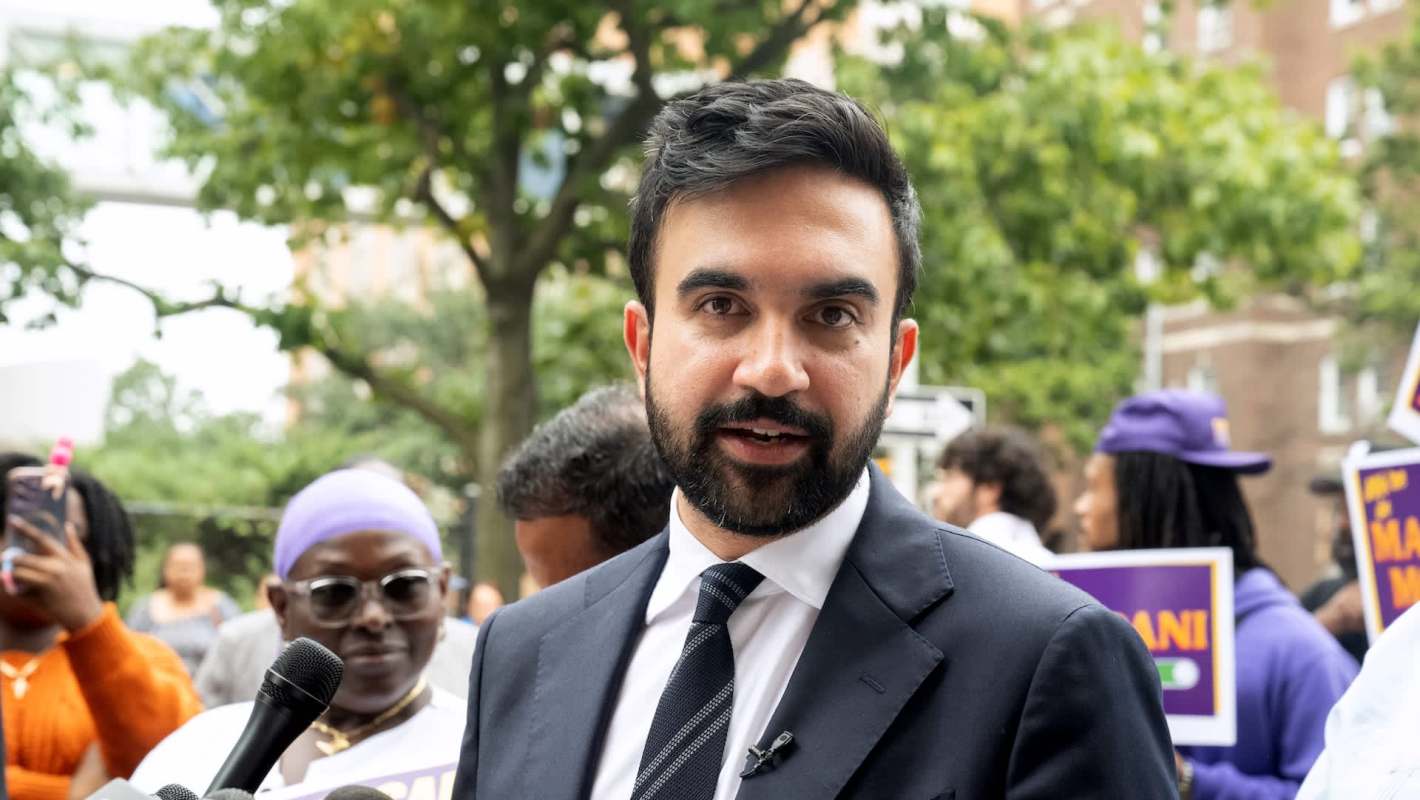
Mayor Zohran Mamdani introduced the "NYC Urban Forest Plan" on April 21 and has now set a target to achieve this goal by 2040, according to The City.
The initiative focuses on adding trees in neighborhoods that experience severe heat, targeting particularly vulnerable populations as heatwaves become more intense and frequent. This approach represents a shift from past years, when tree-planting was often done in response to service requests.
"To reach this 30% goal, it's going to take work from every actor in the entire city," said Jessica Einhorn, the chief of forestry programs. "This program planting trees, especially in the high [heat vulnerable] neighborhoods, is really critical towards that equity angle."
Beyond the aesthetic boost, trees support biodiversity and help improve air quality by trapping airborne pollutants, which is particularly crucial in urban areas with excessive vehicle emissions in confined spaces.
Trees also provide crucial shade, positively impact the mental well-being of nearby residents, and make areas cooler than those dominated by pavement.
TCD Picks » Quince Spotlight
💡These best-sellers from Quince deliver affordable, sustainable luxury for all




However, realizing these ambitions will require significant financial investment.
The City reported that Mamdani, when still a mayoral candidate, promised to allocate 1% of the city budget to the Parks and Recreation Department during his campaign. However, he ultimately proposed a budget that was less than half of that, cutting $34 million.
"The plan is great, but what comes after is the most critical part," noted Shravanthi Kanekal, a resiliency planner at the New York City Environmental Justice Alliance, per The City. "It's going to signal a whole lot to see how much they dedicate funding to the plan."
Tree canopy in at-risk neighborhoods covers 19%, compared to about 26% in others. Overall, tree coverage is just over 23% in the boroughs, according to the last count in 2021.
|
Which of these savings plans for rooftop solar panels would be most appealing for you?
Click your choice to see results and earn rewards to spend on home upgrades. |
 Save $1,000 this year 💸
 As global temperatures rise and heatwaves become more intense, the demand for effective heat regulation will only become more pressing.
According to forecasts from the Mayor's Office of Climate & Environmental Justice, residents could see 35 additional days at or above 82 degrees Fahrenheit per year in the 2030s.
This rise presents health risks; heat contributes to an average of over 500 deaths in the city yearly, with Black New Yorkers facing disproportionate impacts, according to New York City's Environment & Health Data Portal.
The tree-planting program categorizes the city into over 400 zones, focusing on adding greenery wherever possible within each zone while removing stumps and unhealthy trees. Each community board district will have a zone serviced every three years to ensure comprehensive coverage.
"I'm really glad to see the city set a goal of 2040, and I think what we've been looking to is how to further accelerate achieving that goal," Tami Lin-Moges, director of the cities program at the Nature Conservancy, told The City. "But obviously that really relies on increased investments. … Investing in parks and the urban forest is an investment in livability in New York City."
The ambitious plan to green the city will need funds, labor, and local engagement. Simon Skinner from the New York Restoration Project noted the success of the previous initiative to plant a million trees under the Bloomberg administration, which was completed in eight years.
"It shows it's possible," Skinner explained, per The City. "Everyone was pulling in the same direction because it was such a big initiative coming from City Hall."

Get TCD's free newsletters for easy tips, smart advice, and a chance to earn $5,000 toward home upgrades. To see more stories like this one, change your Google preferences here.






