


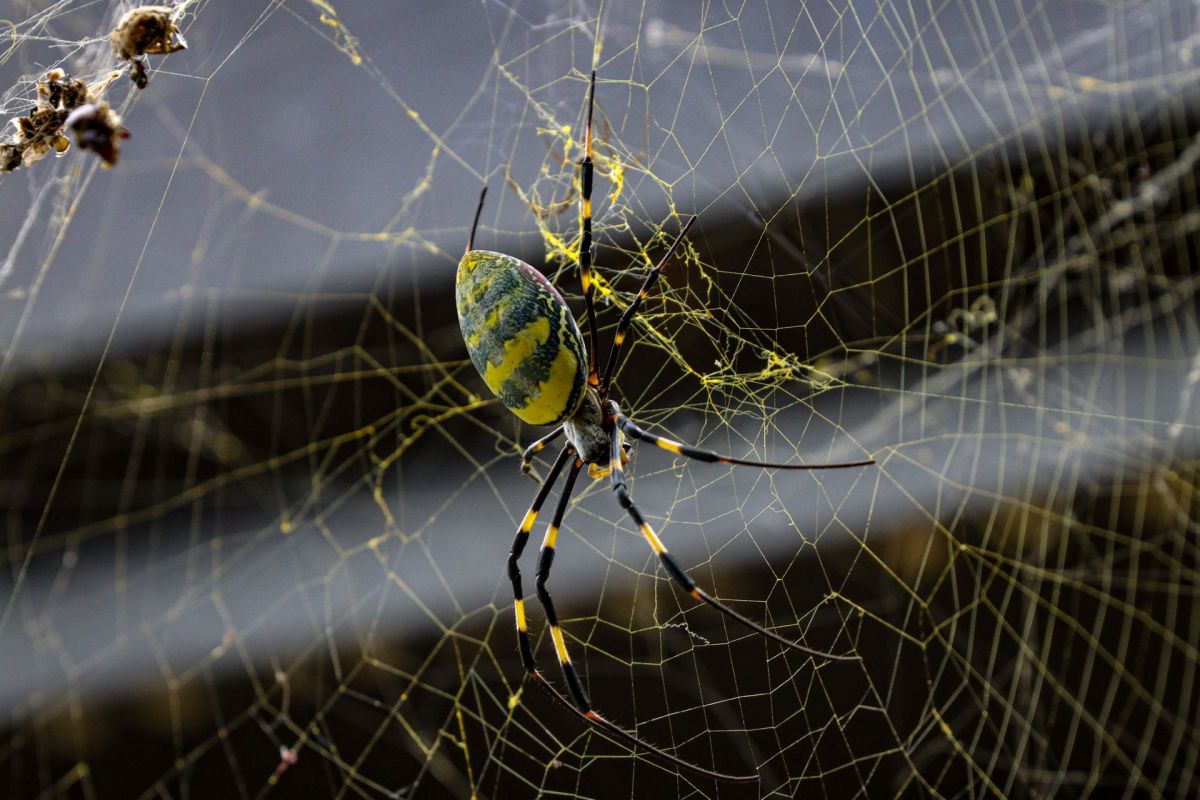
Southern California is the latest area to encounter the invasive Joro spider as researchers document more sightings across the U.S.
According to KMPH Fox 26, this large spider, which can grow to the size of a human palm, originates from eastern Asia but has been found throughout the United States in the past decade.
The Joro spider features striking bright yellow and blue stripes on females, while males are smaller and brown, making reports more noticeable than those of other invasive species. These spiders have also been sighted in Virginia, Pennsylvania, and Maryland.
The initial introduction of the spider is believed to have been as simple as a hitched ride on vehicles entering the country or within cargo shipped overseas.
While experts note that humans do not need to fear the spiders due to the insignificant impact of their venom, they still pose a threat by simply existing in a non-native habitat.
Invasive species are notoriously an issue around the world, as they often outcompete native species for vital resources, destroying the ecological balance of the surrounding ecosystem.
TCD Picks » Quince Spotlight
💡These best-sellers from Quince deliver affordable, sustainable luxury for all




Joro spiders, in particular, have been incredibly efficient at spreading throughout the U.S., as they rely on a process known as "ballooning" or "kiting."
Rebekah Wallace, an entomology expert with the UGA Center for Invasive Species and Ecosystem Health, explained the phenomenon involves spiders producing silk.
"Spiderlings release a silk thread that can catch the wind or attach to distant objects, allowing them to travel far from where they hatched," she shared.
To better understand the Joro spider's spread and impact in the United States, researchers have initiated a citizen science project. The public can report sightings of the Joro spider to JoroWatch.org, where researchers can help with identification.
|
Which of these savings plans for rooftop solar panels would be most appealing for you?
Click your choice to see results and earn rewards to spend on home upgrades. |
 Save $1,000 this year 💸
 "We know they're established and self-sustaining," Wallace mentioned. "But we don't yet know what impact they're having on native wildlife."
This research will be increasingly vital as shifting climate conditions reshape habitats and influence the life cycles of animals and plants worldwide, potentially influencing the spread of more invasive species.

Get TCD's free newsletters for easy tips, smart advice, and a chance to earn $5,000 toward home upgrades. To see more stories like this one, change your Google preferences here.







