


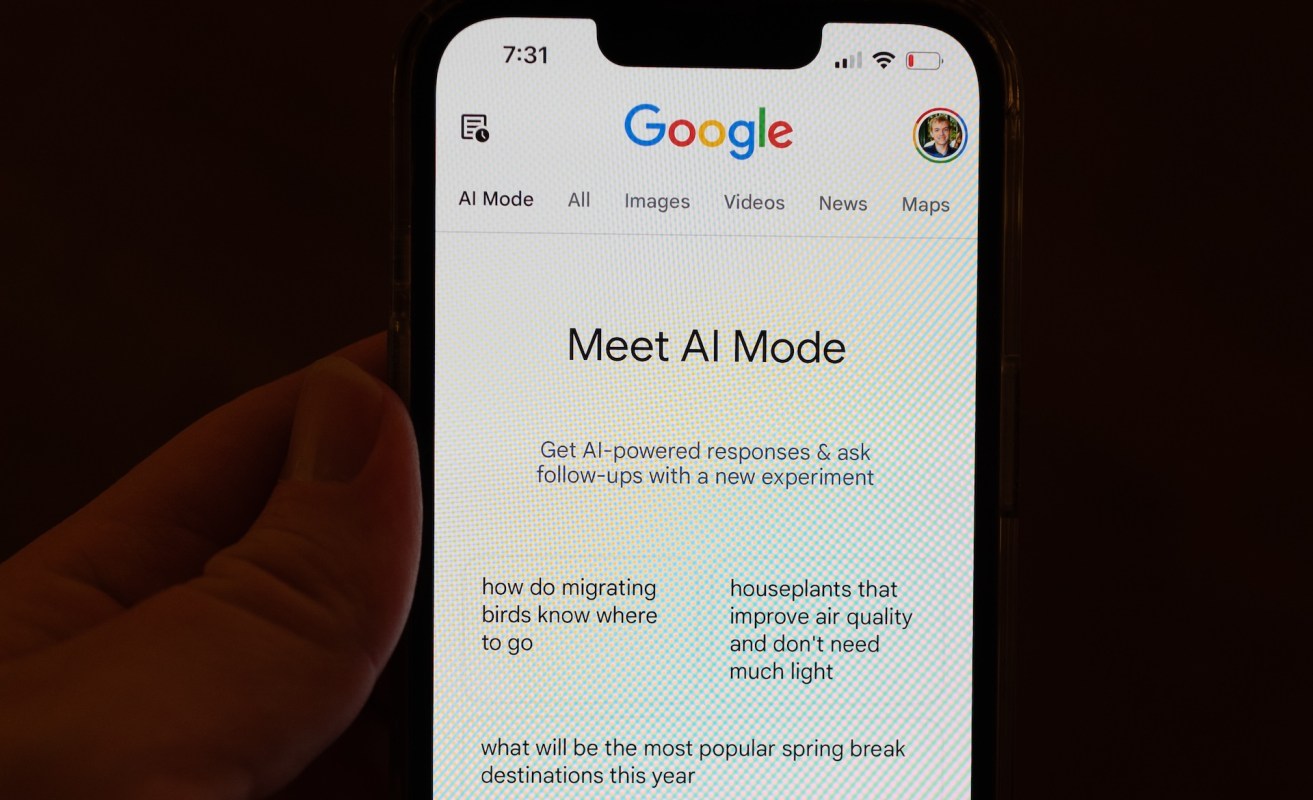
Google's AI overviews, designed to deliver instant answers at the top of search results, are under fire for frequently providing inaccurate or misleading information.
A recent analysis by artificial intelligence startup Oumi, conducted for The New York Times, found that these AI-generated summaries are accurate about 91% of the time. While that may sound impressive, the scale tells a different story.
According to Futurism, Google processes roughly 5 trillion searches each year, meaning even a small error rate could translate into millions of incorrect answers every hour.
In other words, a tool designed to make information more accessible may also be contributing to the spread of misinformation at an unprecedented scale. The outlet described the problem as "virtually unprecedented in human history."
Part of the issue lies in how AI systems work. Large language models, such as those behind Google's summaries, are designed to respond with confidence, even when they're wrong. Studies have suggested that many users don't double-check these answers, a tendency known as "cognitive surrender," wherein people trust authoritative-sounding information without verifying it.
Another often-overlooked aspect of AI use is its enormous energy footprint. AI systems rely on massive data centers that consume large amounts of electricity and water.
TCD Picks » Quince Spotlight
💡These best-sellers from Quince deliver affordable, sustainable luxury for all




While the technology can help improve efficiency and support renewable energy systems, its rapid expansion is increasing strain on critical resources. If left unchecked, this growing demand could further drive up energy costs and complicate efforts to build a more sustainable future.
To be fair, the technology is improving. Newer models are generally more accurate and sophisticated than earlier versions. However, some researchers warn that these advancements come with trade-offs.
More advanced systems are also more likely to produce "ungrounded" answers, responses that include citations that don't actually support the claims being made. This can make it even harder for users to determine what's true.
This tension is increasingly evident as users voice concerns online.
|
Which of these savings plans for rooftop solar panels would be most appealing for you?
Click your choice to see results and earn rewards to spend on home upgrades. |
 Save $1,000 this year 💸
 "Perhaps we shouldn't implement new technologies at a large scale until they are functional?" one commenter wrote on X.
"I skip right past it," another added. "Wish there were an option to disable it."
A third user commented: "It's terrible. … Laughably bad sometimes."

Get TCD's free newsletters for easy tips, smart advice, and a chance to earn $5,000 toward home upgrades. To see more stories like this one, change your Google preferences here.






