


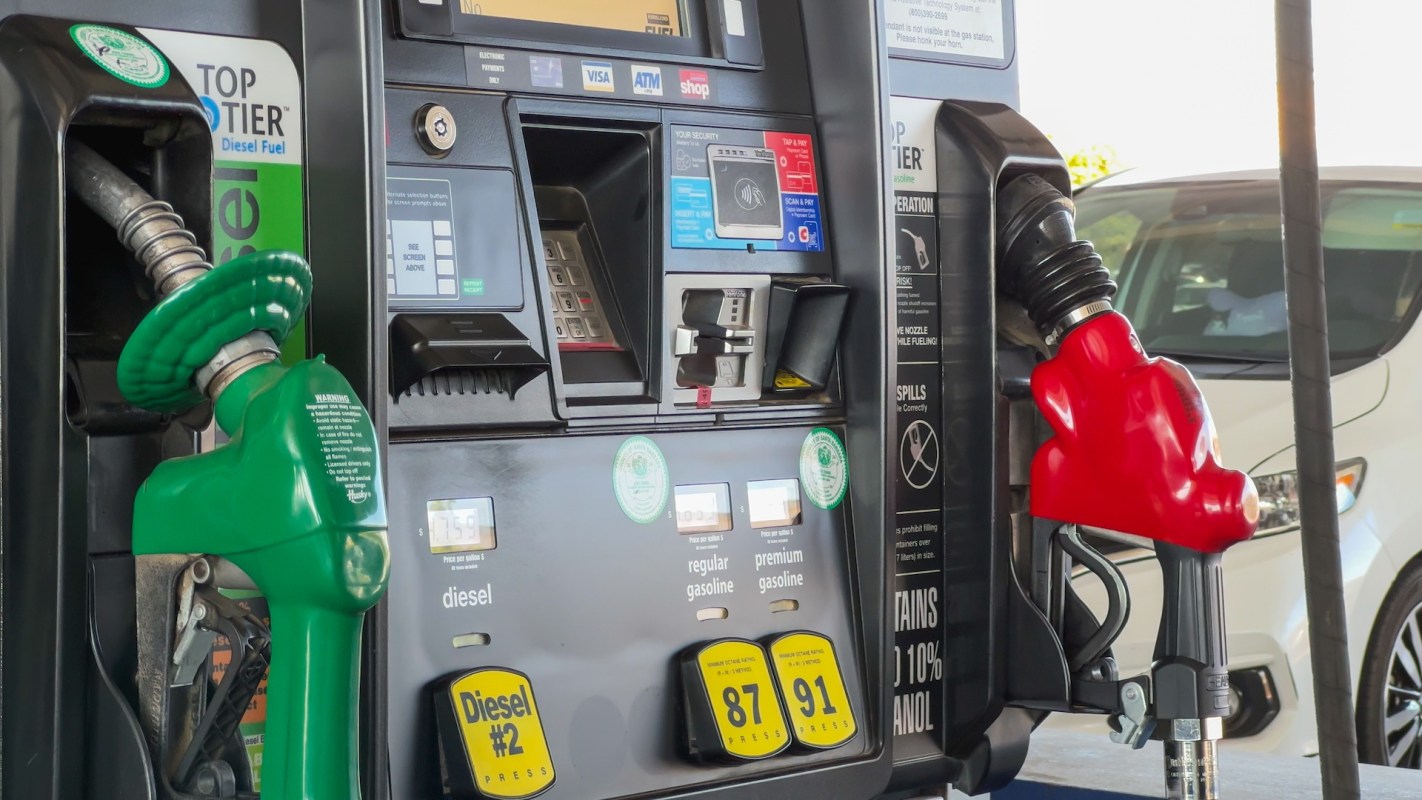
Gas prices are unlikely to come down meaningfully regardless of whether a ceasefire holds in Iran, a cadre of economists and economic experts told USA Today.
Global energy markets were thrown into chaos after the United States and Israel launched surprise airstrikes against Iran on Feb. 28. The Strait of Hormuz, a waterway critical to the worldwide fossil fuel market, was closed March 2.
What followed, according to the Brookings Institution, was an energy shock and a supply chain "shortfall larger than those in the 1973 and 1979 oil crises combined."
"The full brunt of the shock isn't yet being felt in the United States, despite U.S. gasoline prices reaching $4 per gallon for the first time since 2022," Brookings' April 1 analysis noted.
Worryingly, experts from the energy sector and economic analysts shared similar predictions when speaking to USA Today.
As the outlet noted, a seemingly scant 8% of America's oil supply travels through the Strait of Hormuz — yet gas prices rose significantly.
TCD Picks » Quince Spotlight
💡These best-sellers from Quince deliver affordable, sustainable luxury for all




On April 8, NBC News reported that the price of a gallon of gas leaped by $1.17 on average, a 39.3% increase from before the war. The spike was more pronounced in countries such as Cambodia, where gas prices shot up nearly 68% because of the conflict, per Al Jazeera.
As Vice President JD Vance traveled to Pakistan for peace talks this week, analysts maintained that gas prices were unlikely to stabilize for years, domestically or internationally.
Prestige Economics President Jason Schenker acknowledged that even a swift and total resolution in Iran was unlikely to bring back the per-gallon prices seen in February.
"If the conflict stops and it has a kind of meaningful end to it, I would expect oil prices to fall relatively quickly. I do not think they're going to go all the way down to where they were," he told USA Today.
|
Which of these savings plans for rooftop solar panels would be most appealing for you?
Click your choice to see results and earn rewards to spend on home upgrades. |
 Save $1,000 this year 💸
 Moody's chief economist Mark Zandi explained that "oil literally flows to the highest price" globally.
"If a tanker can get a higher price in Malaysia than it can in Rotterdam than it can in Rio de Janeiro, it's going to go to Malaysia," Zandi said.
California Forward CEO Kate Gordon pointed to damaged infrastructure in the Persian Gulf as a predictor of long-term increases in commodity prices.
Oil facilities "will take years and years to rebuild," Gordon told USA Today, which noted gas prices were likely to remain elevated during that time.

Get TCD's free newsletters for easy tips, smart advice, and a chance to earn $5,000 toward home upgrades. To see more stories like this one, change your Google preferences here.






