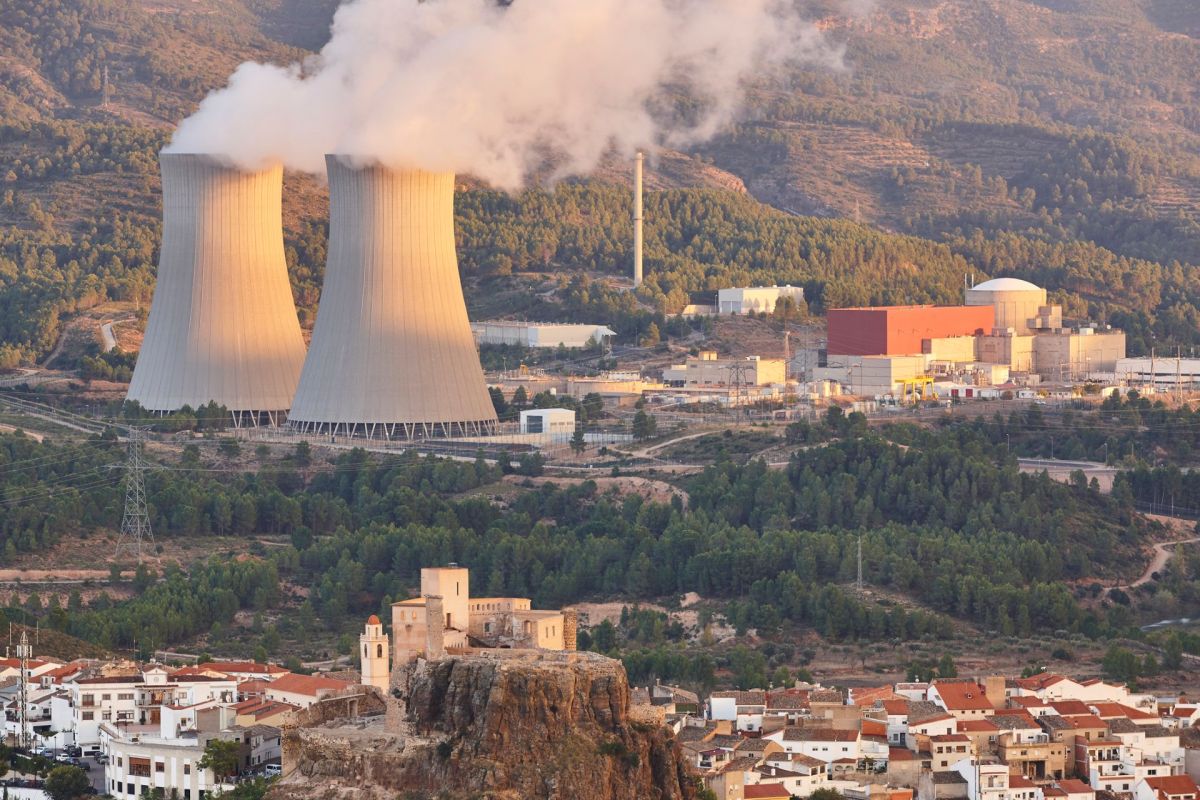
A study published in Environmental Health in December 2025 found that living near nuclear power plants is associated with an increased risk of certain cancers.
What's happening?
Despite an increase in nuclear power use in recent years, researchers have conducted only limited studies on the health impacts of nuclear power plants on local communities.
Now, researchers from Harvard's Department of Environmental Health have conducted a study in Massachusetts to broaden the evidence base on those potential health impacts.
The team tracked the proximity of state zip codes to nuclear power plants and compared the distance to cancer incidence data from 2000 to 2018 compiled by the Massachusetts Cancer Registry.
The researchers found that approximately 3.3% (around 20,600) of the cancer cases considered in the study "were attributable to living near [a nuclear power plant], with risk declining sharply beyond roughly 30 kilometers from a facility," according to a press release from the Harvard T.H. Chan School of Public Health.
The team also found that these cancer risks tended to increase with age.
TCD Picks » Good Store Spotlight
Get 10% off your next purchase with code TCD10


Why are these results concerning?
Wider adoption of nuclear energy is a dream for many, as this form of power could provide cleaner, more affordable, and virtually limitless energy to help meet rising energy demands.
However, despite the potential benefits of nuclear energy, several concerns remain. One is the safe storage of nuclear waste. Another is the costs that come with building and maintaining nuclear power plants.
This new study highlights yet another concern. The research showed that proximity to nuclear power plants increased the risk for several cancers, including kidney, lung, Hodgkin lymphoma, prostate, esophageal, breast, pancreatic, bladder, oral, colorectal, laryngeal, leukemia, uterine, melanoma, and thyroid.
The study also found that these risks were higher in older adults.
TCD Picks » Quince Spotlight
💡These best-sellers from Quince deliver affordable, sustainable luxury for all




|
What's the most you'd pay per month to put solar panels on your roof if there was no down payment?
Click your choice to see results and earn rewards to spend on home upgrades. |
 $200 or more 💰
 While nuclear power may prove a cleaner source of energy capable of reducing the planet's dependence on oil, coal, and gas, its health and safety risks could outweigh its advantages.
What's being done to make nuclear energy safer?
While more research into the potential human health impacts of living near nuclear power plants is needed, it's likely that stricter safety regulations will be required to protect communities.
In fact, the study's co-authors noted, "Strengthening emission controls, improving environmental monitoring, and prioritizing research and surveillance within approximately 25-30 km of nuclear plants will be essential for advancing evidence-based protection of nearby communities."

Get TCD's free newsletters for easy tips to save more, waste less, and make smarter choices — and earn up to $5,000 toward clean upgrades in TCD's exclusive Rewards Club.