


As spring weather spreads across the country, it's not just people who are getting out and enjoying the warmer temperatures. Health officials in West Virginia warn that ticks are out in force as well, bringing Lyme disease with them, WV News reported.
What's happening?
Black-legged ticks, also called deer ticks, are the only species of ticks that can transmit Lyme disease to humans. They bite and stay attached to skin for days at a time — and if they manage to stay hooked on for 36 to 48 hours or more, they can start spreading this disease.
West Virginia's tick season lasts from the beginning of spring to the end of fall, as long as the weather is warm enough not to harm the ticks.
Now, with the climate warming up and winters growing milder than ever, tick season is also longer, and the ticks' range has increased.
That may be why, according to the West Virginia Department of Health, the state saw 3,336 cases of Lyme disease across its 55 counties in 2025, WV News reported.
Similar concerns abound in Ohio and many other states.
TCD Picks » Quince Spotlight
💡These best-sellers from Quince deliver affordable, sustainable luxury for all




Why is tick season important?
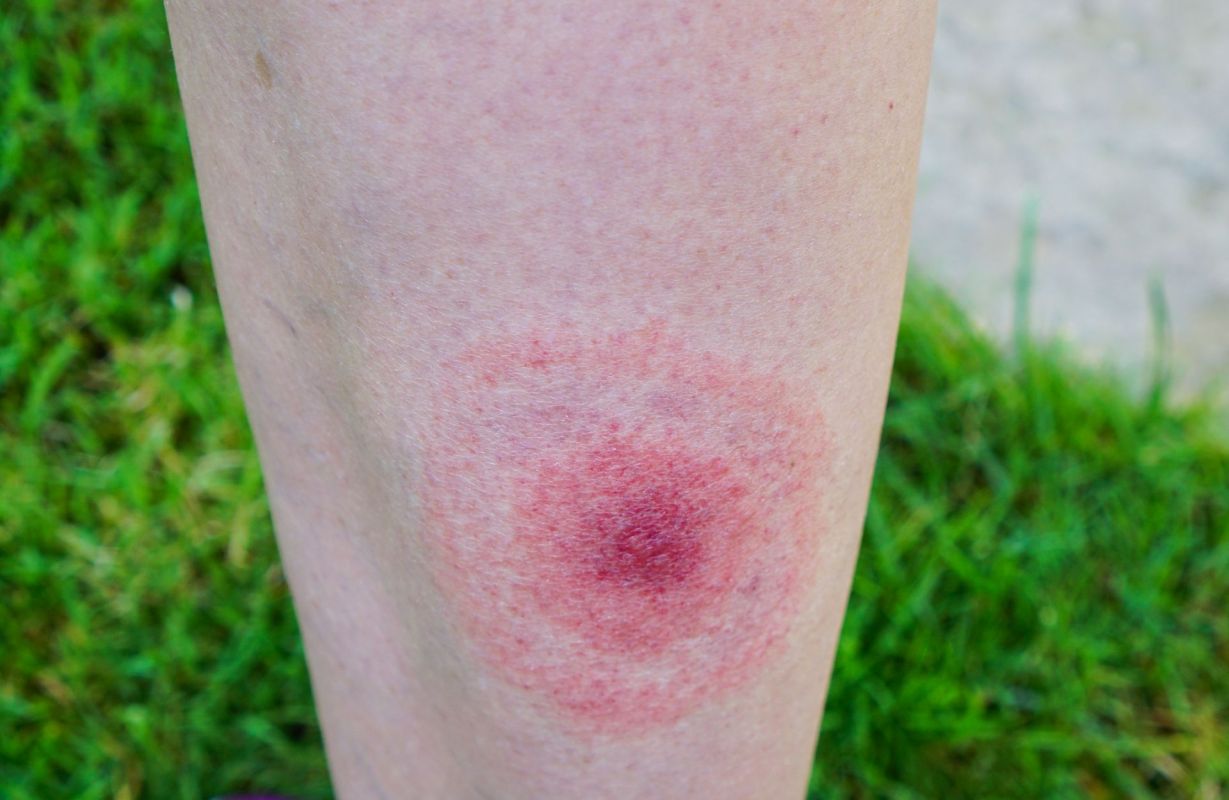
Lyme disease is best known for a target-shaped rash, but this is far from the only symptom it causes. It can also manifest with flu-like symptoms. Severe cases progress to cardiac symptoms or inflammation of the brain or nerves.
In the long term, even after having Lyme disease, some patients continue to experience symptoms of ongoing inflammation and arthritis that can be debilitating.
"It's a really terrible disease if you let it progress," said Steve Hinerman, environmental health services director with the Harrison County Health Department, per WV News.
What's being done about Lyme disease?
The best way to avoid these outcomes is to take precautions against ticks.
|
Which of these savings plans for rooftop solar panels would be most appealing for you?
Click your choice to see results and earn rewards to spend on home upgrades. |
 Save $1,000 this year 💸
 "Outside of just not going outdoors, which is no fun, mainly just long sleeves and pants are the big way to prevent being bitten by ticks," Dr. Brittanie West of WVU Medicine United Hospital Center told WV News.
West also suggested pre-treating clothing with permethrin or using DEET before even going outside. When you come back in, check thoroughly for any ticks, remove them immediately, and don't forget to check your pets, too.

Get TCD's free newsletters for easy tips to save more, waste less, and make smarter choices — and earn up to $5,000 toward clean upgrades in TCD's exclusive Rewards Club.







