


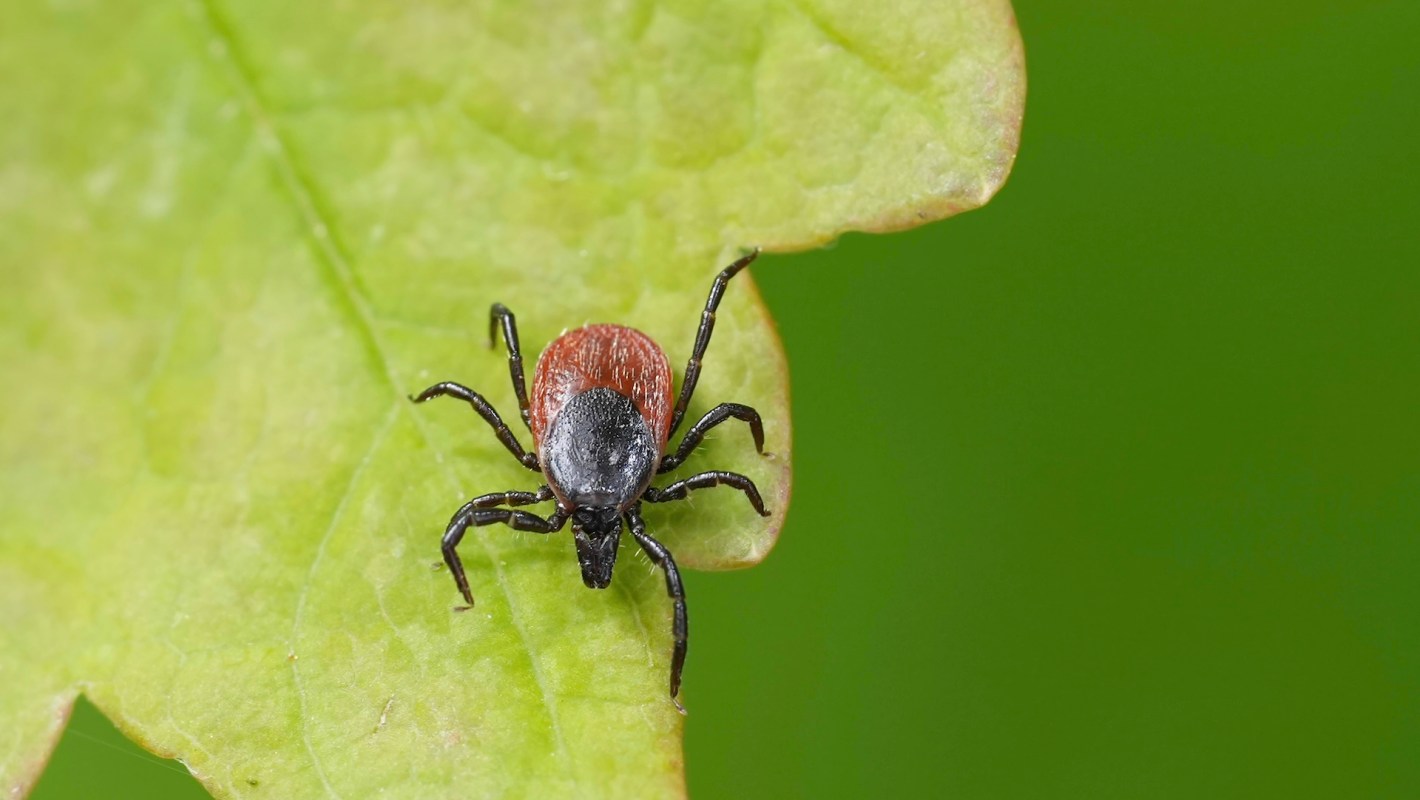
Lyme disease is a growing concern in Ohio, as a study found that around half of blacklegged ticks there carry the bacteria that cause Lyme disease.
What's happening?
WKBN First News 27 summarized the paper from researchers at The Ohio State University, which found that the prevalence of the infection jumped from 2.7% in 2012 to over 47.6% in 2021.
"Historically, we did not have a lot of blacklegged ticks in Ohio until roughly 10 to 15 years ago; they really started increasing in their geographical distribution in the state and their numbers in the state," Dr. Risa Pesapane, associate professor of ecosystem health at OSU and study author, told the news station.
Why is this study important?
Ohio is not the only state that has seen an increase in blacklegged ticks and Lyme disease. For instance, the director of the Tick Research Lab of Pennsylvania shared that the facility had seen a noticeable increase in ticks sent in for testing last season, and the majority of these were blacklegged ticks.
One of the culprits behind this uptick is warming global temperatures, which is making it easier for ticks and other disease vectors to survive for longer periods throughout the year and spread their geographical range. Scientists, for instance, have found that the Canadian provinces of Québec and Manitoba have experienced spikes in Lyme disease risk in recent years.
What's being done about Lyme disease?
WKBN offered a few suggestions to its viewers on how to prevent being bitten by ticks that may carry Lyme disease. For one, the station advises people to limit skin exposure by tucking clothing — pants into socks, shirts into pants. The Centers for Disease Control and Prevention also recommends wearing long, loose-fitting clothing and avoiding wooded and brushy areas.
TCD Picks » Quince Spotlight
💡These best-sellers from Quince deliver affordable, sustainable luxury for all




"If you do get bitten by a tick, you should quickly remove it, then keep it in case you show any symptoms of illness," WKBN added.
The Ohio-based study's authors also urged action from local governments.
"Public health agencies should be aware of the increasing risk of tick-borne disease in the region, and these results support the importance of host-targeted interventions to reduce pathogen transmission and human disease risk," they stated.
|
Which of these savings plans for rooftop solar panels would be most appealing for you?
Click your choice to see results and earn rewards to spend on home upgrades. |
 Save $1,000 this year 💸
Get TCD's free newsletters for easy tips to save more, waste less, and make smarter choices — and earn up to $5,000 toward clean upgrades in TCD's exclusive Rewards Club.







