


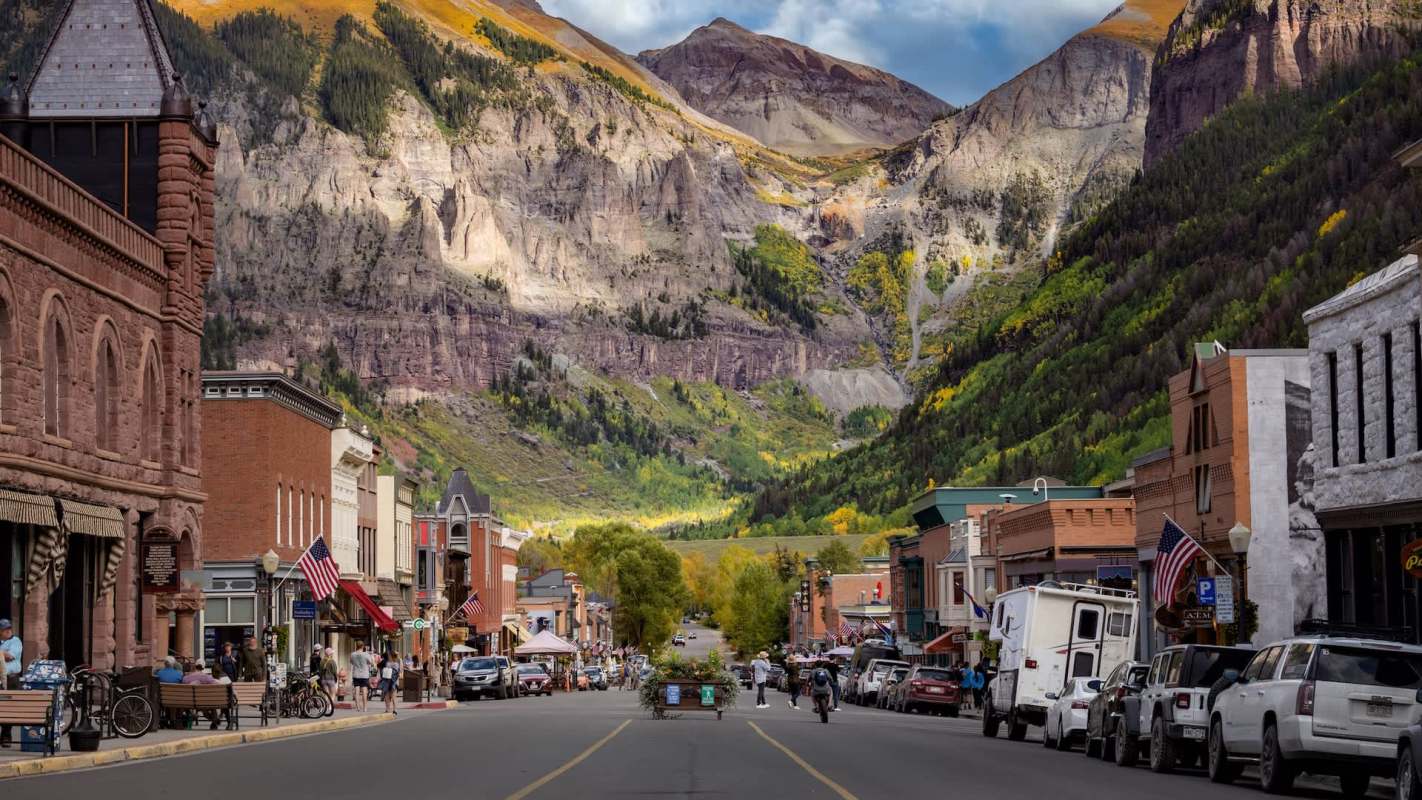
As the warming planet shortens winters, Aspen, Colorado, environmentalists and ski resort owners are teaming up to lobby for environmental policy changes, according to the Denver Post.
Why are skiing organizations advocating for political change?
At a press conference, Aspen Skiing Co.'s sustainability and philanthropy director, Hannah Berman, said that Aspen's mountains have lost a month of winter since the 1980s, the Post reported.
This threatens companies' bottom lines. Ski hills in Canada, for example, have already had to pause operations as unseasonably warm weather turned snow into rain, making the landscape unsuitable for skiing.
Skiing companies have been aware of shifting weather patterns for a while. Aspen Skiing Co. created a sustainability department in the 1990s, and other ski resort giants have introduced eco-friendly initiatives, like composting, for example.
However, many experts believe that these company-wide changes are not enough. Professionals in both the climate and winter sports spaces have pushed for more advocacy from CEOs.
Auden Schendler, a corporate sustainability researcher and former Aspen One employee, told the Post: "But as we were doing this work, after about a decade, I started asking the question: Is this enough? Is this actually the solution to a global systemic climate problem? And the answer I came to was no."
TCD Picks » Quince Spotlight
💡These best-sellers from Quince deliver affordable, sustainable luxury for all




To effect real change, he said, CEOs needed to go further. They needed to publicly show support for climate laws that would have a real impact on their businesses.
Why does such advocacy matter?
Human activity has steadily warmed the planet since the 19th century. In fact, the 10 warmest years since 1850 occurred within the last decade, according to the U.S. National Oceanic and Atmospheric Administration.
This has greatly impacted normal weather patterns, including snowfall. This past ski season was the worst in decades for Western ski resorts, as regions famous for their slopes experienced relatively little snow.
It's not just companies that are affected. The U.S. winter tourism industry was worth an estimated $12.2 billion in 2012, according to a report. Local economies, such as Aspen, are bolstered by this booming industry, which often employs residents. That same year, ski resorts employed nearly 76,000 people in the nation.
|
Which of these savings plans for rooftop solar panels would be most appealing for you?
Click your choice to see results and earn rewards to spend on home upgrades. |
 Save $1,000 this year 💸
 If large companies don't throw their weight behind policies that will slow the planet's warming, then everyday people who economically rely on winter sports like skiing will feel the sting the most.
As four large skiing companies said in a joint statement in 2022, per the Post, the changing climate is "the most critical issue we face as business leaders and as citizens of this continent and inhabitants of Earth."

Get TCD's free newsletters for easy tips to save more, waste less, and make smarter choices — and earn up to $5,000 toward clean upgrades in TCD's exclusive Rewards Club.






