


An initiative in Malaysia is trying to grow healthier crops by using a fairly controversial method.
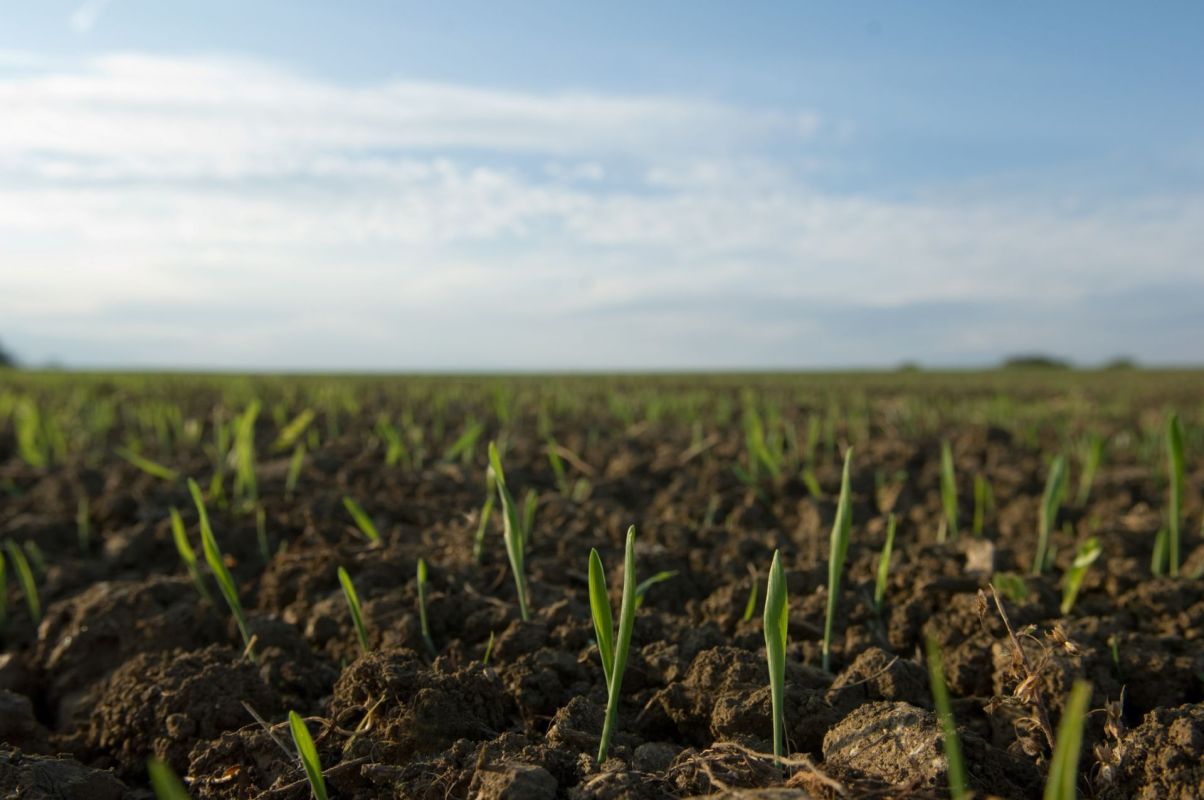
The 20 participants in the program have been using processed human waste as a fertilizer for their crops, as Bernama reported.
"At first, when I found out it came from human waste, I was shocked," Mariam, a participant, told the publication. "But once I understood that this biosolid fertilizer is safe to use, my mindset changed and I started applying it to crops such as corn and eggplant."
The effort to convert biosolids into organic fertilizer came in response to rising costs and landfill challenges. The national sewerage company Indah Water Konsortium Sdn Bhd opted to invest to test the feasibility of converting biosolids into an organic fertilizer.
It's worth noting that these biosolids go through multiple treatment stages before becoming the black powder that is spread on the soil. The hope is to ensure the finished product is chock-full of essential nutrients while free from contaminants.
While biosolids are fairly new to Malaysia, they are pretty prominent in the U.S. and parts of Europe. There are concerns about the presence of PFAs, aka "forever chemicals," among them, which could have troubling results for local animals and could enter food intended for eventual human consumption.
TCD Picks » Quince Spotlight
💡These best-sellers from Quince deliver affordable, sustainable luxury for all




Those concerns are real and illustrate the challenges of a program that is pushing for an admirable goal — a more circular economy.
In Malaysia, the participants' successes in growing their crops are a hopeful sign that the project is working and can be scaled up. Dr. Mohamad Roff Mohd Noor, chairman of Kebuniti, which is running the program, said testing showed their biosolids are safe and free of disease-causing pathogens or metals.
"Toxicology studies conducted by SIRIM on laboratory rats showed no mortality, no signs of toxicity or behavioral changes," he said, per Bernama. "All test animals remained healthy and gained weight after being administered fertilizer extracts."
Wider acceptance in Malaysia will require a few more developments, including a change in the nation's standard for organic fertilizers. It has been bolstered by proclamations by Islamic leaders permitting its use.
|
Which of these savings plans for rooftop solar panels would be most appealing for you?
Click your choice to see results and earn rewards to spend on home upgrades. |
 Save $1,000 this year 💸
 Whether these biosolids will be commercialized in Malaysia or will become more of a lever to redirect waste is uncertain. For now, the program is modest, with five tons of fertilizer produced in the country daily.
"The main purpose … is to support environmental sustainability through sustainable management, reduce waste sent to landfills, and close the resource cycle," IWK COO Mohd Taufik Salleh said.

Get TCD's free newsletters for easy tips to save more, waste less, and make smarter choices — and earn up to $5,000 toward clean upgrades in TCD's exclusive Rewards Club.






