


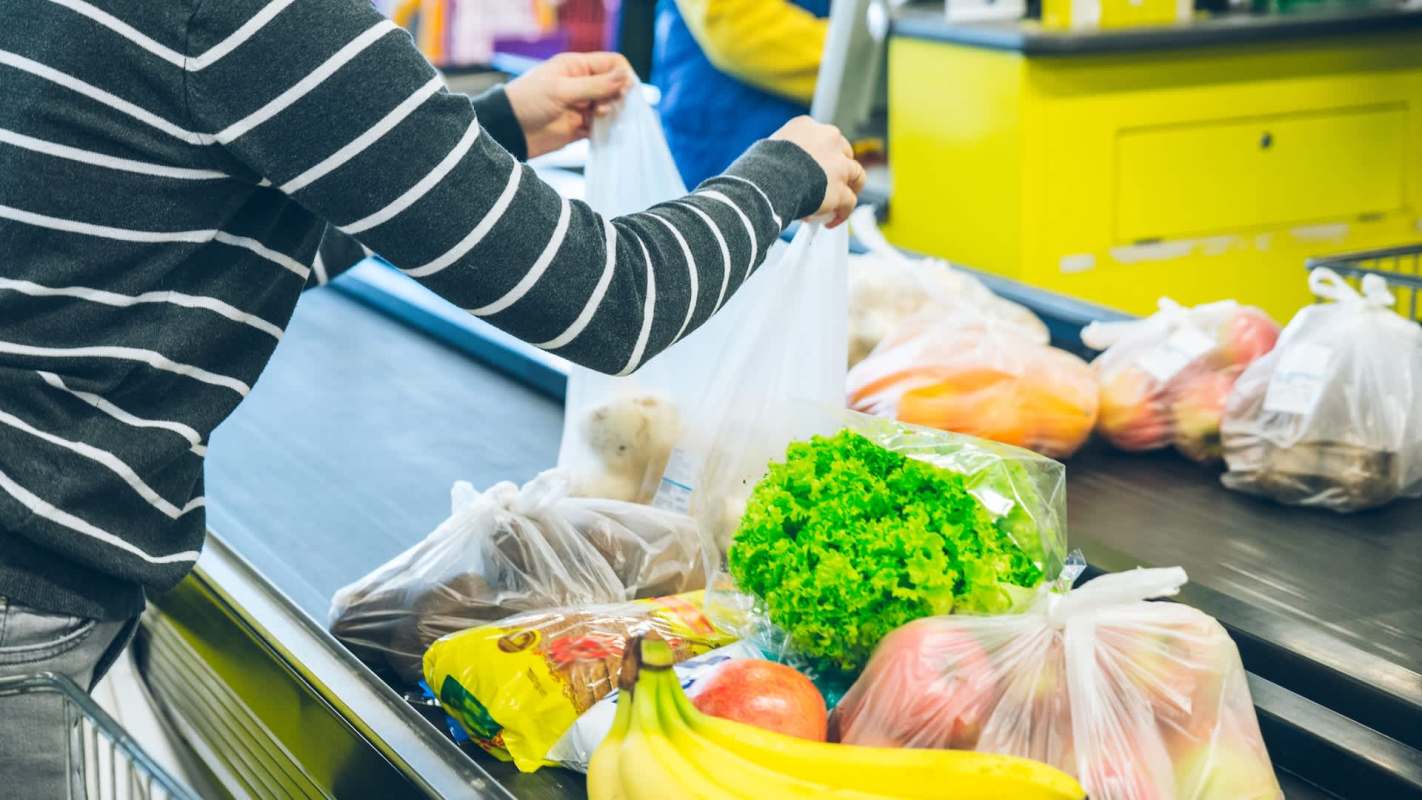
The Australian Capital Territory government is branching out in its battle against single-use plastics with a new discussion paper that lays out some new targets.
As Region Canberra reported, the government is taking a crack at potentially banning 14 single-use plastic items in the third phase of a broader initiative that started in 2011 with plastic shopping bags.
Next on the list is produce bags and stickers, flower bags, coffee and iced-drink cup tops, bowls with lids, sauce containers (including soy sauce fish), bread bag tags, pizza holders, plastic confetti, and packaged goods with single-use plastic embedded.
These items were picked because of viable alternatives and their problematic nature, according to Climate Change, Environment, Energy and Water Minister Suzanne Orr.
"These items have been identified … due to their negative environmental impact, including contamination of recycling streams, non-recyclability in curbside bins, contribution to litter, and harm to wildlife," Orr explained, per Region Canberra.
The outlet noted that all but one of these items are banned or are banned elsewhere in Australia.
TCD Picks » Quince Spotlight
💡These best-sellers from Quince deliver affordable, sustainable luxury for all




The exception is flower bags, where ACT could become the first area in Australia to implement a ban. Orr noted they've been spotted "quite a bit" in local waste, and there are better alternatives to plastic.
Canberra's efforts follow a global effort to reduce single-use plastics that are littering the environment. These plastics can break down into worrisome microplastics that affect marine life and the local ecosystem, eventually ending up in food and water sources.
Taking on the plastic pollution crisis will include not just addressing what's already out there, but dramatically slowing the rate at which consumers use plastics. Canberra is also looking to reduce single-use products, noting that the goal is to foster a more circular economy.
The discussion paper highlighted an initiative at "Light Up Lyneham" that promoted reusable foodware, cutlery, dishes, and drinkware. The event generated only two household bins of trash, with around 90% of items returned to the sustainability organization in charge, SEE Change.
|
Which of these savings plans for rooftop solar panels would be most appealing for you?
Click your choice to see results and earn rewards to spend on home upgrades. |
 Save $1,000 this year 💸
 Public feedback on the proposal is open until May 1. If implemented, businesses will have a 12-week transitional period to comply with the new parameters. Orr emphasized that the new rules are designed to minimize environmental harm.
Let's "avoid making the waste in the first place," she concluded, per Region Canberra. "If you have to make the waste, do it in the least harmful way possible."

Get TCD's free newsletters for easy tips to save more, waste less, and make smarter choices — and earn up to $5,000 toward clean upgrades in TCD's exclusive Rewards Club.






