


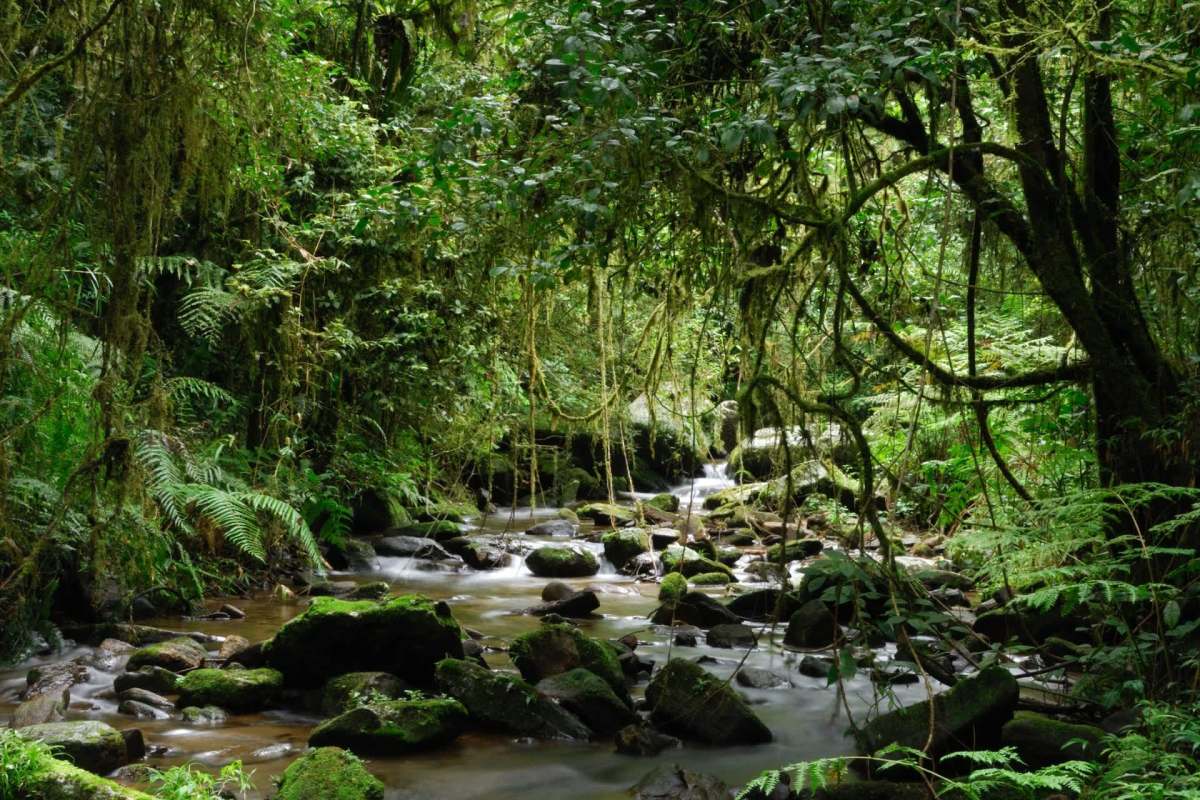
An invasive species in Madagascar is raising alarm among researchers, who warned it could fundamentally alter ecosystems, even if the plant brought some benefits.
A new study in the journal Biological Conservation documented the complex nature of conservation in rapidly changing ecosystems.
What's happening?
According to a Rice University press release, researchers have been studying invasive strawberry guava plants in Madagascar's Ranomafana National Park.
The plant, which bears fruit beloved by locals and wildlife alike, appears to be preventing the forest from regenerating following deforestation.
The study found that in areas where strawberry guava was established, native tree growth seemed to stop at the sapling stage.
Although the plant didn't appear to be preventing seedlings from sprouting, the young trees couldn't get past that stage in areas where strawberry guava had taken over.
TCD Picks » Quince Spotlight
💡These best-sellers from Quince deliver affordable, sustainable luxury for all




While the scientists weren't sure how the strawberry guava prevented trees from developing beyond seedlings, they warned that it was stalling the forest's regeneration.
As the landscape changes over time, ripple effects spread across the ecosystem and local communities.
Why are invasive plants concerning?
Invasive species can decimate ecosystems by outcompeting native plants and animals that have evolved to support the landscape.
When native species decline, entire food webs experience disruption.
|
Which of these savings plans for rooftop solar panels would be most appealing for you?
Click your choice to see results and earn rewards to spend on home upgrades. |
 Save $1,000 this year 💸
 In the case of Madagascar's strawberry guava, it's a complicated situation: endangered lemurs (who already face challenges, like being hunted for their meat) enjoy snacking on the fruit, and so do people living in the area.
This means that strawberry guava offers some benefits but also causes harm.
"What this paper highlights is the complexity of conservation efforts," said Rice University biologist and study co-author Amy Dunham. "Strawberry guava is extremely difficult to eradicate, useful to the Malagasy people and positively associated with lemurs."
"But its presence disrupts the forest at many levels and may prevent the rainforest from fully recovering after deforestation," Dunham added.
What can be done about invasive species?
Even if endangered lemurs enjoy snacking on strawberry guava, it's in their long-term best interest for conservationists to prioritize native species that support forest regeneration.
Their natural habitat is designed to support them, so the loss of native biodiversity could affect their long-term survival.
The same is true for communities that rely on a healthy ecosystem.
As invasive species change the native landscape, they disrupt soil health, the food web, biodiversity, and more. This, in turn, affects local residents.
Protecting habitats by prioritizing native species is the best long-term strategy for conserving Madagascar's ecosystem — especially as it recovers from the impacts of deforestation.
That may include efforts to eradicate invasive species such as strawberry guava, planting native species, and funding conservation efforts to monitor the forest's changes over time.

Get TCD's free newsletters for easy tips to save more, waste less, and make smarter choices — and earn up to $5,000 toward clean upgrades in TCD's exclusive Rewards Club.







