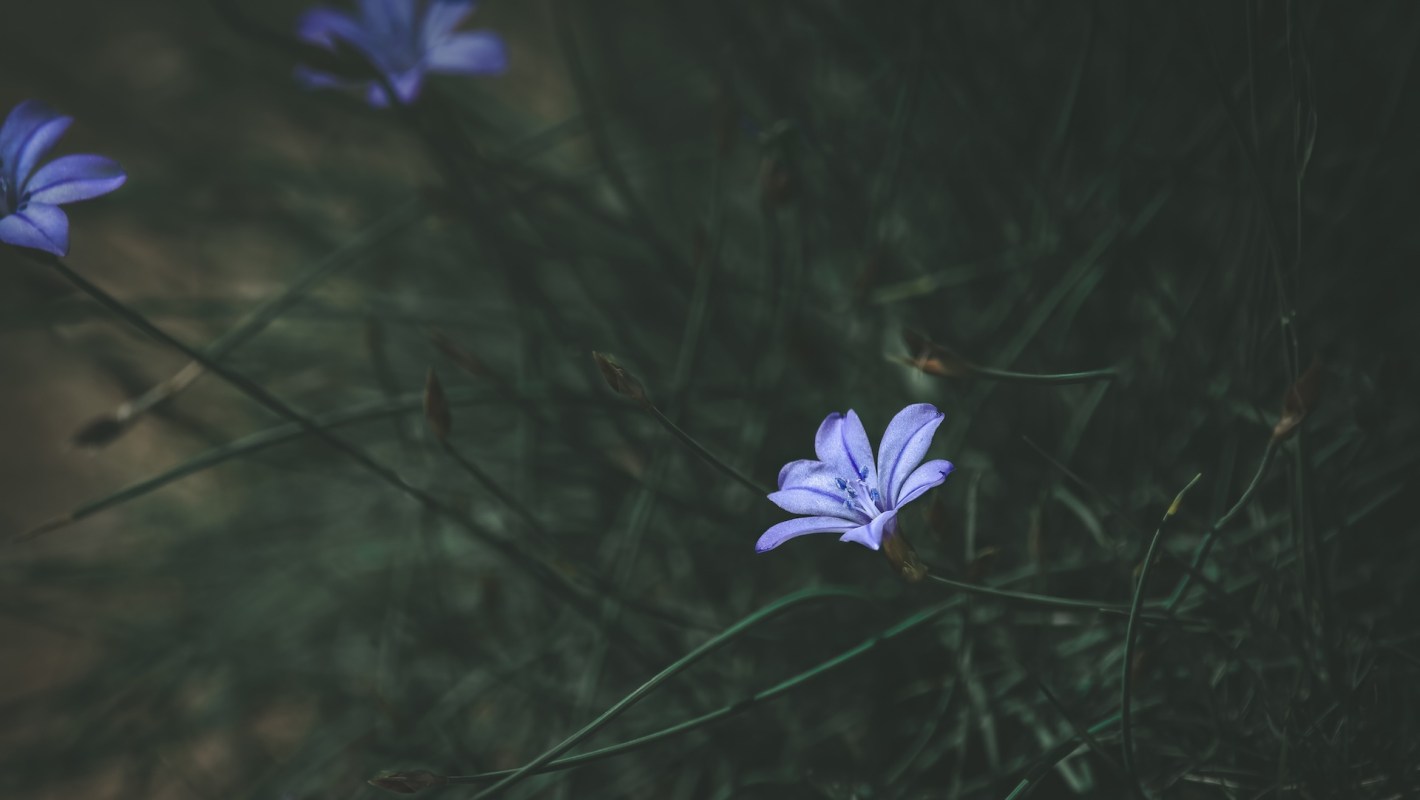
Decades ago, scientists started a long-running "unique experiment" in a remote Colorado meadow.
That long-range research has yielded new information, according to the Guardian, with troubling implications for prized natural beauty sites in Colorado and beyond.
What's happening?
In 1991, researchers devised an experiment to simulate higher average temperatures and gauge their effect on the broader ecosystem.
The Rocky Mountain Biological Laboratory is, as the Guardian noted, located in the "former ghost town of Gothic," a once-bustling silver mining settlement high up in the Rockies.
At the outset, the researchers designated five "experimental plots" measuring 30 square meters (roughly 323 square feet). They placed "head-height heaters" atop the plots, running 24/7.
The heaters penetrated 6 inches into the soil and simulated 2 degrees Celsius (3.6 degrees Fahrenheit) "above normal temperatures" for the duration of the decades-long study.
TCD Picks » Quince Spotlight
💡These best-sellers from Quince deliver affordable, sustainable luxury for all




When the study began, "it was believed a temperature increase could lead to longer, lusher grasses," the Guardian explained. "But instead of flourishing, the grasses and wildflowers started to disappear, replaced by sagebrush."
According to the National Science Foundation, that process is known as "shrubification" in arctic and alpine ecosystems like the Colorado Rockies — a phenomenon that is both caused by and accelerates rising temperatures.
In the 29-year study period, the consistently high temperatures severely affected the ecosystem: Soil surfaces were as much as 20% drier, the prevalence of hardy shrubs spiked by 150%, and some of Colorado's prized wildflowers "went extinct."
"It's a sign of things to come," lead researcher Lara Souza remarked, per the Guardian.
|
Which of these savings plans for rooftop solar panels would be most appealing for you?
Click your choice to see results and earn rewards to spend on home upgrades. |
 Save $1,000 this year 💸
 Their findings appeared in the Proceedings of the National Academy of Sciences on Feb. 17.
Why is this concerning?
Colorado routinely ranks among the top states for flower-spotting, with nearby Crested Butte dubbed the state's wildflower capital.
However, the study's implications went well beyond the potential loss of prized blooms.
"Alpine grasslands are often overlooked in terms of their species richness," the Guardian noted, adding that the European Alps maintain 50% of the continent's plant life on just 3% of its land, serving as an important support structure for biodiversity in the broader ecosystem.
In North America, the Rockies are similarly critical to the broader ecosystem, maintaining rare endemic species of flora and fauna.
While the changes to the simulated ecosystem had a devastating effect on overheated wildflowers and drove some to extinction, food crops will be similarly tested as temperatures continue to rise worldwide.
What's being done about it?
Conservation ecologist Sarah Dalrymple, based in Liverpool, England, told the outlet that the pace at which alpine and arctic landscapes were changing was terrifying.
"It's all happening so much faster than the projections would have said," she acknowledged.
At an individual level, staying up to date about key climate issues is critical — as is pressuring lawmakers to act swiftly on this crisis.

Get TCD's free newsletters for easy tips to save more, waste less, and make smarter choices — and earn up to $5,000 toward clean upgrades in TCD's exclusive Rewards Club.