


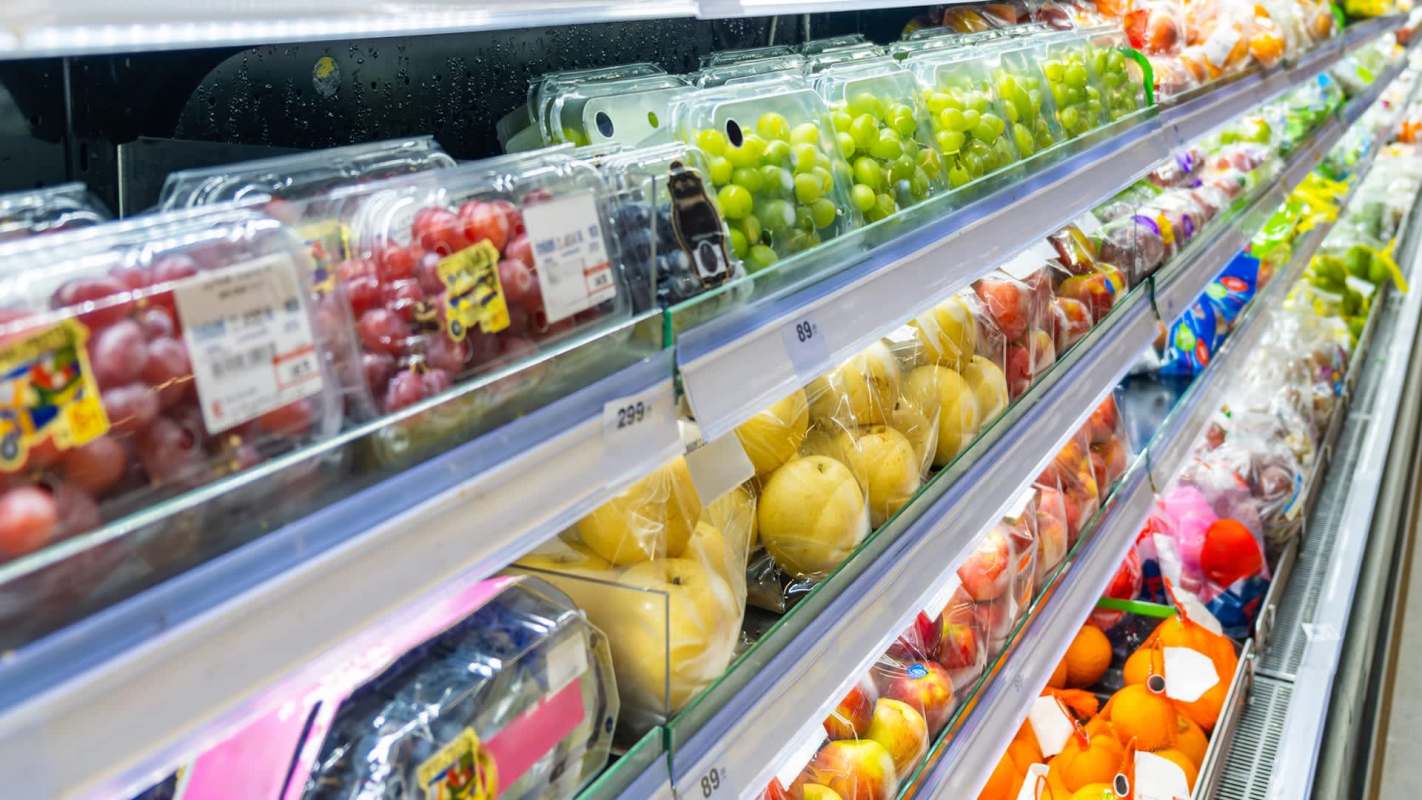
Fresh fruit and vegetables are a cornerstone of a healthy diet — but some produce has higher levels of harmful chemical pesticides than other varieties, CNN reported.
What's happening?
On Tuesday, the Environmental Working Group issued a press release announcing the release of its 2026 Shopper's Guide to Pesticides in Produce.
The EWG began publishing the annual report in 2004, with a goal of encouraging the consumption of fruits and vegetables while helping shoppers limit their exposure to pesticides.
The report featured a "Dirty Dozen" section that identified the 12 most contaminated varieties among the 47 tested.
Spinach ranked at the top of the list, followed closely by other leafy greens in the second spot: kale, collard greens, and mustard greens.
Strawberries came in third, and the EWG noted that the average American consumed around 8 pounds of the fruit each year.
TCD Picks » Quince Spotlight
💡These best-sellers from Quince deliver affordable, sustainable luxury for all




Grapes, nectarines, peaches, cherries, and apples took the fourth through ninth spots, with blackberries, potatoes, and blueberries completing the list.
Potatoes, which were 11th on the EWG's Dirty Dozen, were "the most consumed vegetable" in the United States, according to the group.
Why are pesticides in produce concerning?
According to the press release, the testing examined the "number, amount, and toxicity of detected pesticide residues" in sampled produce.
In the Dirty Dozen section, the EWG explained that 90% of sampled potatoes contained traces of chlorpropham, a herbicide banned in the European Union.
|
Which of these savings plans for rooftop solar panels would be most appealing for you?
Click your choice to see results and earn rewards to spend on home upgrades. |
 Save $1,000 this year 💸
 Overall, 96% of samples in the category contained pesticides.
A startling 63% of Dirty Dozen samples contained per- and polyfluoroalkyl substances (PFAS), known as "forever chemicals" for their ability to persist in the environment and human body alike for decades.
The EWG warned that PFAS were "highly persistent."
"Ultra-short-chain PFAS such as trifluoroacetic acid, or TFA, are increasingly detected in water, soil and people. Early research suggests TFA may accumulate in crops and pose potential reproductive and developmental risks, though significant data gaps remain," the report read.
Research has indicated that PFAS are present in the blood of approximately 97% of Americans.
According to the National Institute of Environmental Health Sciences, PFAS exposure is linked to higher rates of metabolic disruption, increased cancer risk, and diminished immune function.
Worryingly, the Environmental Protection Agency filed a motion in September to vacate drinking water standards intended to reduce PFAS exposure.
What can be done about it?
One way to limit exposure to PFAS across all foods is to upgrade household cookware, particularly pots and pans manufactured before 2014.
The EWG provided several recommendations in its report.
Recommendations included selecting organic versions of the Dirty Dozen varieties, opting for frozen produce, thoroughly washing fruits and vegetables, and choosing more items from the Clean Fifteen list to reduce direct exposure to PFAS.

Get TCD's free newsletters for easy tips to save more, waste less, and make smarter choices — and earn up to $5,000 toward clean upgrades in TCD's exclusive Rewards Club.







