


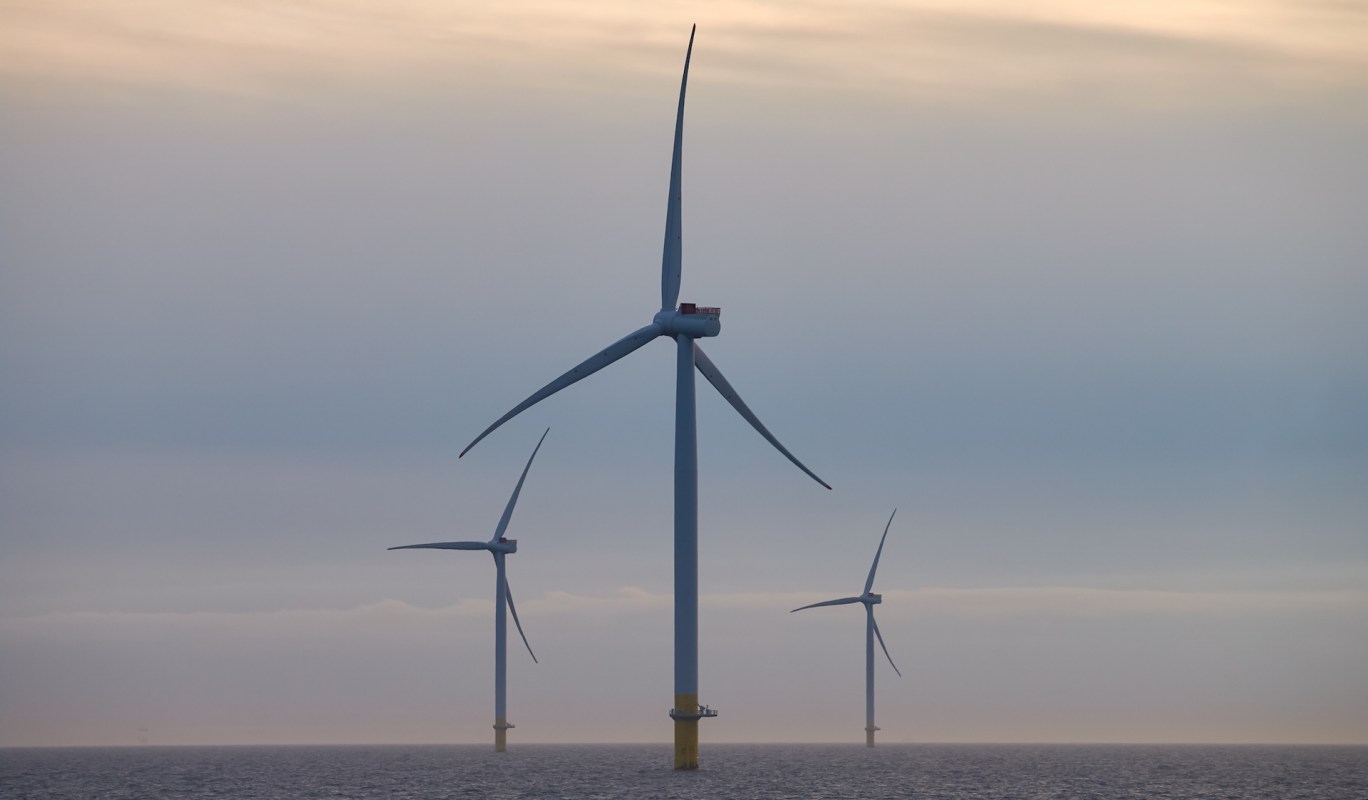
A new federal deal is raising eyebrows after the U.S. government agreed to pay nearly $1 billion to halt planned offshore wind projects.
What's happening?
As reported by The New York Times, the U.S. Department of the Interior will reimburse French energy giant TotalEnergies about $928 million for leases it previously purchased to develop offshore wind farms near New York and North Carolina.
In return, the company plans to shift investment toward oil and gas projects, including a liquefied natural gas export facility in Texas and expanded drilling in the Gulf of Mexico.
"Using a pay-not-to-play scheme to pressure a company to not build offshore wind is an outrageous abuse of taxpayer dollars," said Gov. Kathy Hochul of New York, per the Times.
The New York wind project alone could have powered more than 1 million homes. The North Carolina project had the potential to supply electricity to roughly 300,000 homes.
"Our state has the offshore wind potential to power millions of homes with renewable American-made energy," said Gov. Josh Stein of North Carolina.
TCD Picks » Quince Spotlight
💡These best-sellers from Quince deliver affordable, sustainable luxury for all




Officials described the move as part of a broader shift toward what they called more "reliable" energy sources.
Speaking about work in the United States specifically, Patrick Pouyanné, the chief executive of TotalEnergies, said, per the Times, that "offshore wind is too expensive from our point of view" as part of the reasoning for accepting the $928 million to cease development efforts and legal challenges to continue.
Why is this concerning?
Wind energy is one of the fastest-growing sources of clean power and generates electricity without pollution. Canceling projects of this scale limits options for reducing reliance on oil, gas, and coal.
At the same time, expanding oil and gas production can increase pollution that contributes to rising global temperatures and more extreme weather events.
|
Which of these savings plans for rooftop solar panels would be most appealing for you?
Click your choice to see results and earn rewards to spend on home upgrades. |
 Save $1,000 this year 💸
 There are also local impacts to consider. Offshore wind projects often bring jobs, infrastructure investment, and long-term energy stability. Losing them could mean fewer economic opportunities in coastal communities.
What's being done about it?
Some state leaders and energy experts are pushing back. They argue that renewable energy is essential for stabilizing electricity and reducing dependence on volatile fuel markets.
"I remain committed to moving forward with my all-of-the-above approach that includes renewables, nuclear, and other energy sources needed to keep the lights on and costs down," Hochul said, per the Times.
Meanwhile, utilities and companies across the country continue to invest in wind, solar, and battery storage to meet growing demand for cleaner energy.

Get TCD's free newsletters for easy tips to save more, waste less, and make smarter choices — and earn up to $5,000 toward clean upgrades in TCD's exclusive Rewards Club.






