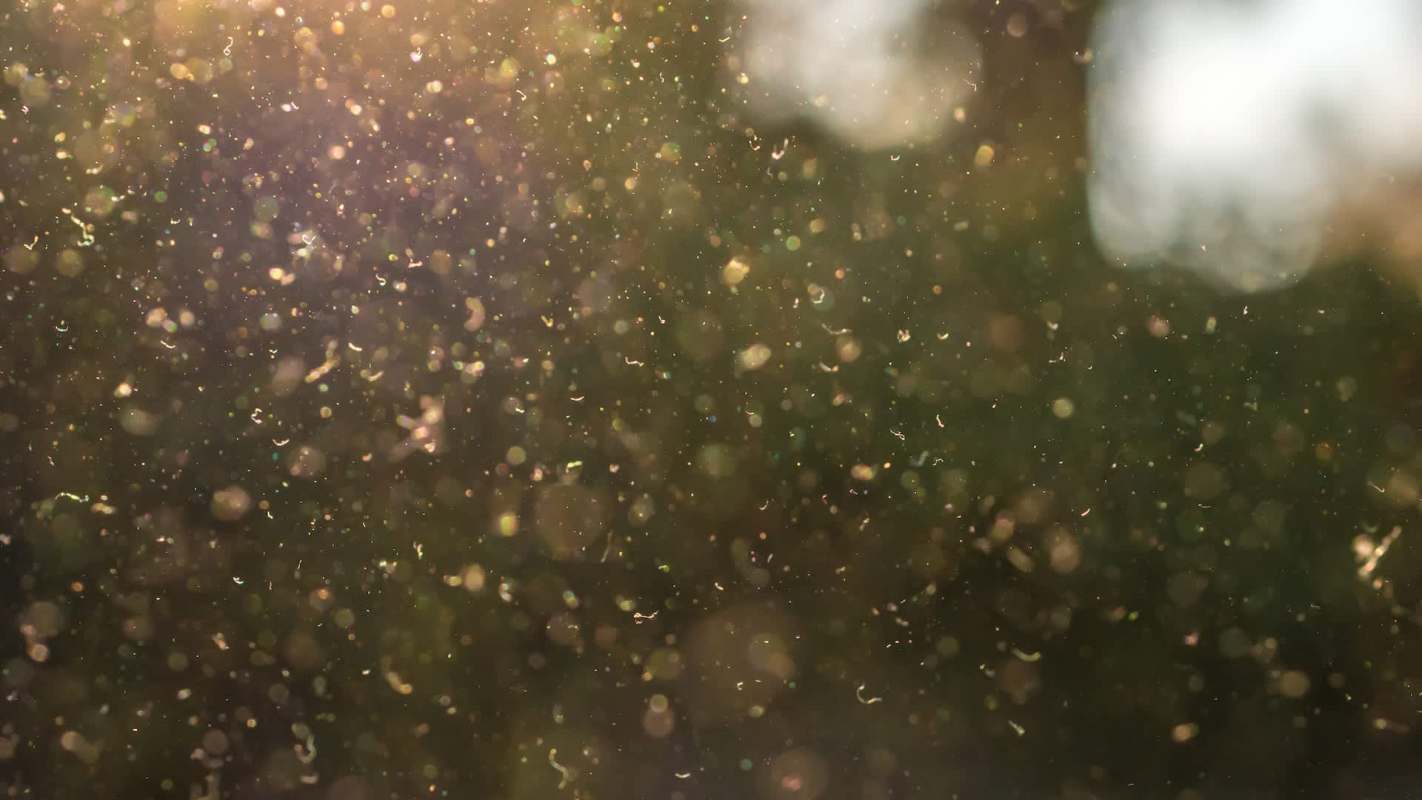
People who have dealt with seasonal allergies perhaps already know that allergy season is coming in hot, and experts have concurred, according to WWBT.
What's happening?
In February, a specialist in Georgia warned that fluctuating weather patterns were sending pollen counts through the roof across the region.
Richmond, Virginia-based WWBT recently observed that allergy season was "around the corner," noting that some people might already be dealing with severe symptoms.
Dr. William Hark, an allergy and asthma specialist, warned people with allergies that this year's allergy season was shaping up to be rough.
"I think it's going to be a very bad allergy season this year. It's been cold for so long, so everything's been locked up, and when it finally gets warm, it's going to explode," Hark said.
"It's going to be really bad this year."
TCD Picks » Quince Spotlight
💡These best-sellers from Quince deliver affordable, sustainable luxury for all




Why is this concerning?
Seasonal allergies aren't limited to nasal congestion, sneezing fits, and a constant need for tissues.
"People in spring can have fatigue, headaches; they have difficulty sleeping and that keeps them up at night and then they have difficulty concentrating during the daytime," Hark warned.
Regional coverage of early, high pollen counts has been widespread this year, but the issue is not localized to a single state or region.
In 2024, the Association of American Medical Colleges acknowledged that seasonal allergies were "getting worse" year over year and attributed the worrying trend to rising temperatures.
|
Which of these savings plans for rooftop solar panels would be most appealing for you?
Click your choice to see results and earn rewards to spend on home upgrades. |
 Save $1,000 this year 💸
 A 2022 study in Allergo Journal International found that warmer overall weather wasn't just making pollen seasons longer; it was also "changing the production and allergenicity of pollen."
The Allergy and Asthma Foundation of America issued a press release last March, stating that longer, more intense allergy seasons meant missed work and school, a spike in emergency room visits, and overall greater risk to people with asthma.
The AAFA has long tracked the issue and explained that, between 1995 and 2011, higher temperatures extended the average length of pollen season by "11 to 27 days."
These effects go beyond health: The AAMC cited a 2016 Nature study that found costs related to allergies in Sweden alone "had an economic impact of about $1.43 billion."
"The total cost of allergic rhinitis in Sweden, with a population of 9.5 million, was estimated at €1.3 billion [$1.5 billion] annually," the authors wrote, with costs that have likely risen significantly in the intervening decade since the study was published.
What's being done about it?
According to Hark, preventing symptoms before they start is critical.
WWBT recommended wearing a mask outdoors, showering before bed, and keeping windows closed.
"I think one of the most effective medicines are the over-the-counter nasal sprays, such as Flonase [and] Nasacort," Hark said.

Get TCD's free newsletters for easy tips to save more, waste less, and make smarter choices — and earn up to $5,000 toward clean upgrades in TCD's exclusive Rewards Club.