


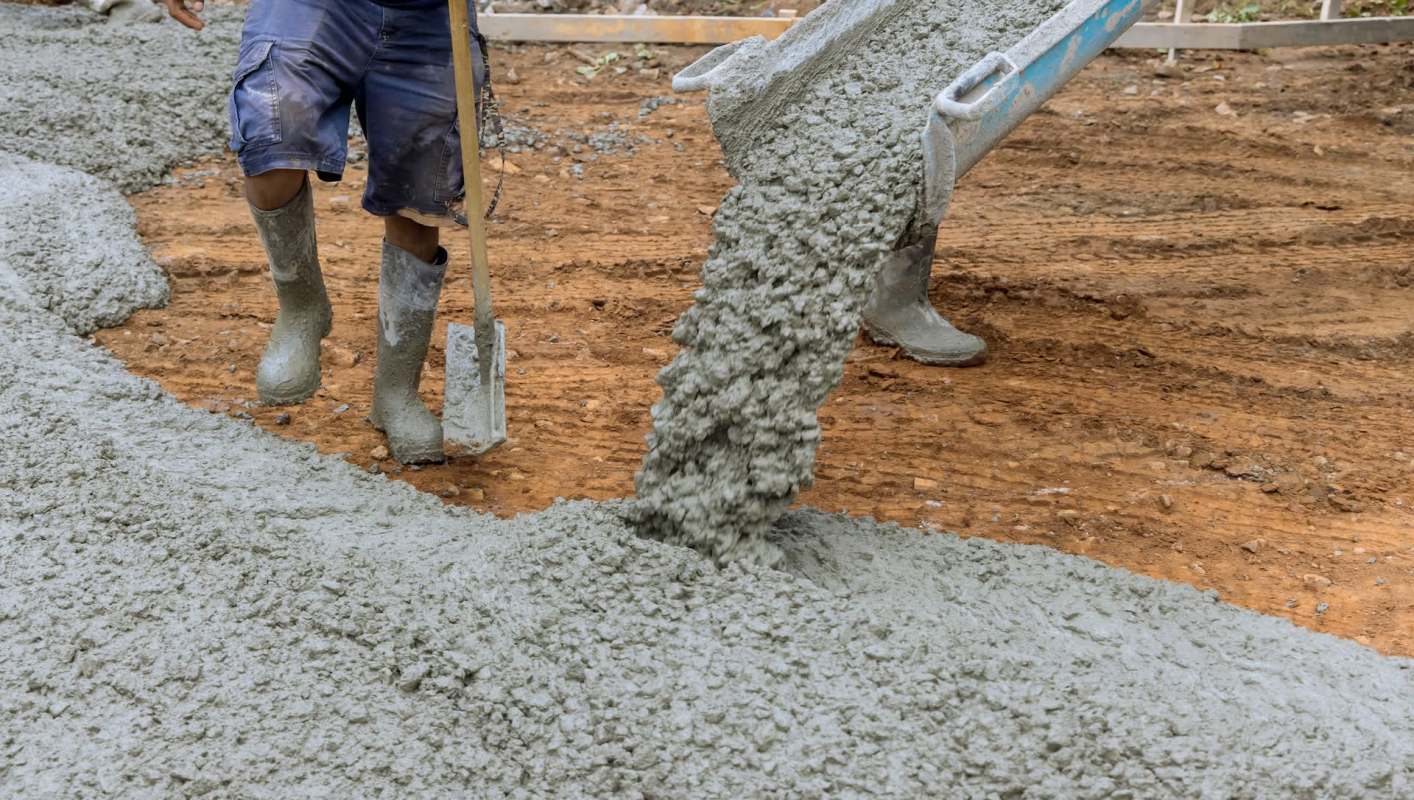
Scientists working toward a better concrete mix might sometimes feel like kids in a sandbox, as incredible combinations seem nearly limitless.
One of the latest slurries includes palm oil, fuel ash, and jute fiber. An international team is examining how effective these ingredients are when replacing heavily polluting components of common Portland cement.
The goal is to develop a low-cost, sustainable option for builders. But more research is on the docket before the unique materials will be part of new structures.
"Demands for sustainable construction materials have increased, and researchers are increasingly investigating innovative solutions and materials for low-carbon construction," the team wrote in the study, published by Scientific Reports.
The experts are from universities in Pakistan, Malaysia, Saudi Arabia, China, and Nigeria. The motivation behind the research is the 8% of harmful air pollution widely reported to be generated when common cement is produced. The process requires high temperatures generated from burning coal, as well as pollution-spewing chemical reactions, according to the Natural Resources Defense Council.
As a result, strange mixes are emerging, including one using rice husk ash that's being analyzed at the American University of Ras Al Khaimah in the United Arab Emirates.
TCD Picks » Quince Spotlight
💡These best-sellers from Quince deliver affordable, sustainable luxury for all




Palm oil fuel ash is made when palm fruit branches are burned for electricity generation — a process with pollution repercussions of its own. But the team thinks that combining the ash with jute fiber can create a serviceable cement substitute that utilizes an industrial byproduct and is overall better for the environment.
Concrete findings bolster the assertion. The study found that the mix reduces carbon dioxide pollution by almost 20%, while improving compressive strength by 26%, depending on how much of each new ingredient is added. The recipe that included 10% palm oil fuel ash and 0.1% jute fiber provided improved mechanical performance, for example. The scientists tested slurries with various percentages of the cement replacements.
"These findings provide new evidence that the integration of agro-waste ash with natural fibers, supported by statistical optimization, offers a viable pathway for producing eco-efficient, high-performance concrete, thereby advancing sustainable construction practices," the experts wrote.
The research spotlights the importance of developing circular products that reuse industrial by-products and construction waste, limiting the volume of material headed to landfills. Concrete prototypes that incorporate demolition scraps are good examples of the concept applied to the construction sector.
|
Which of these savings plans for rooftop solar panels would be most appealing for you?
Click your choice to see results and earn rewards to spend on home upgrades. |
 Save $1,000 this year 💸
 And the practice extends beyond the cement mixer.
Supporting circular brands in other industries is a great way to help businesses working toward sustainable solutions that share your values.
For their part, the international concrete experts plan to further study manufacturing-related pollution compared to traditional mixes. Analysis of strength and durability in extreme temperatures is also in the works, among other testing, according to the report.

Get TCD's free newsletters for easy tips to save more, waste less, and make smarter choices — and earn up to $5,000 toward clean upgrades in TCD's exclusive Rewards Club.







