


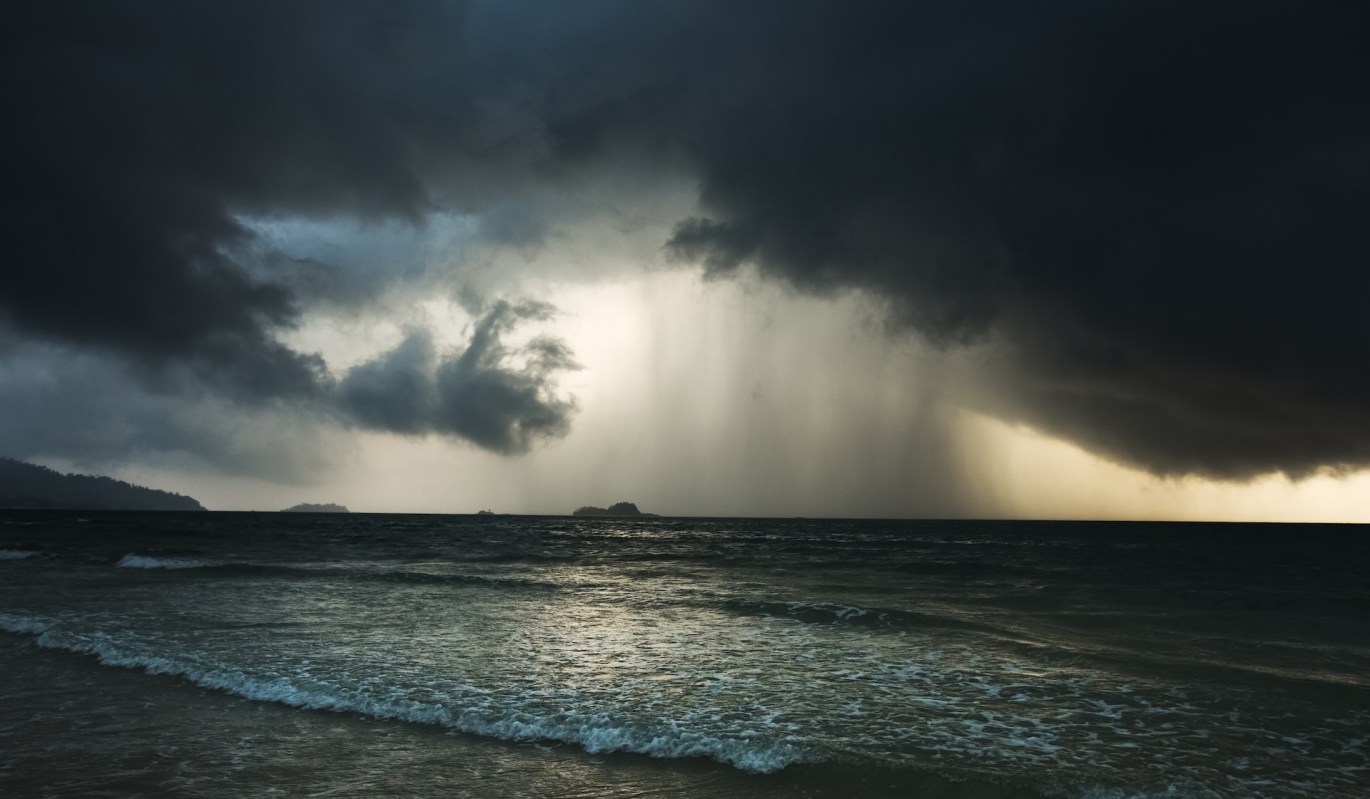
Officials in Hawai'i began preparing for a perilous week when an intense storm system was forecast to bring destructive winds, thunderstorms, and flooding to multiple islands, the Guardian reported on March 10.
What's happening?
Governor Josh Green issued an emergency proclamation ahead of what the National Weather Service described as a "large and powerful kona storm" expected to impact the state throughout the second week of March.
"It's going to be kind of a rough and tumble week with the weather," Green said in a video on social media. "Be very safe. Be particularly safe on the roads."
According to the NWS, the storm was projected to hit Kaua'i, Niihau, and O'ahu before moving across the remainder of the state.
One weather expert told the San Francisco Chronicle that some areas could see more than 20 inches of rain over the course of the storm.
"But that's just a ballpark estimate," meteorologist Laura Farris said.
TCD Picks » Quince Spotlight
💡These best-sellers from Quince deliver affordable, sustainable luxury for all




The New York Times reported that "significant snowfall" was also a possibility on island summits.
Officials closed several parks and trails, urging residents to avoid forested and coastal areas due to the possibility of storm surges, falling trees, and rising streams.
Why is this storm concerning?
Severe storms like this can quickly become dangerous for residents and threaten infrastructure.
Heavy rainfall can overwhelm drainage systems, flood homes and businesses, and damage roads and power lines. In addition to property destruction, floodwaters also pose serious health and safety risks by exposing people to contaminated runoff.
|
Which of these savings plans for rooftop solar panels would be most appealing for you?
Click your choice to see results and earn rewards to spend on home upgrades. |
 Save $1,000 this year 💸
 Extreme weather events can create long-term economic challenges for local communities, too. Flooding often leads to costly repairs, and insurance premiums can surge for residents and entities already vulnerable to storms. In most cases, recovery efforts can take months or even years.
Scientists have warned that rising global temperatures can intensify certain types of extreme weather. Warmer air holds more moisture, which can lead to heavier downpours and increase the likelihood of severe flooding in some regions.
What's being done about it?
A flood watch was issued, and authorities are urging residents to identify evacuation routes, prepare emergency supplies, and make plans for pets and family members.
"Our priority is keeping the people of Hawai'i safe," the governor said.
Staying informed and preparing ahead of extreme weather can help communities reduce risks and recover more quickly when storms strike.

Get TCD's free newsletters for easy tips to save more, waste less, and make smarter choices — and earn up to $5,000 toward clean upgrades in TCD's exclusive Rewards Club.







