


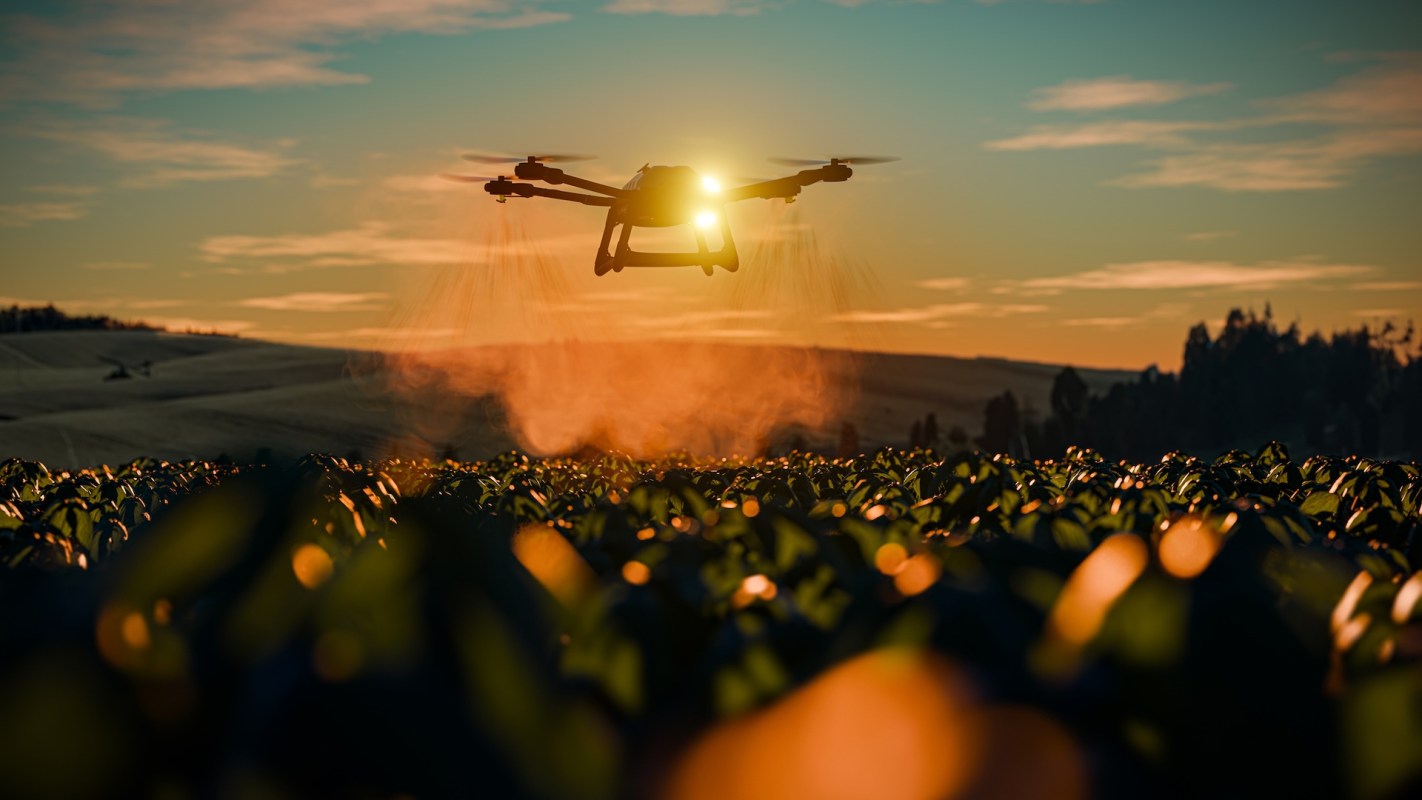
Big tech firms are using AI to shape what crops get planted around the world, pushing farmers toward a handful of profitable commodities and away from locally grown food, reported the Guardian.
What's happening?
A report out of the International Panel of Experts on Sustainable Food Systems (IPES-Food), titled "Head in the Cloud," found that Google, Microsoft, Amazon, IBM, and Alibaba are partnering with large agriculture corporations to steer farming decisions. Using satellites, drones, and soil sensors, these firms feed data into AI models that guide farmers' planting choices.
"Companies are playing with the food system, and we can't afford to have that played with," said Pat Mooney, an agriculture expert and author from Canada who worked on the report.
Mooney explained that this advice centers on a narrow set of commodity crops, namely wheat, corn, rice, potatoes, and soya beans. That leaves regional grains, like teff in Ethiopia, out of the picture. Farmers risk being pulled into a corporate supply chain, buying industrially produced seeds paired with chemical treatments rather than growing what their communities have planted for hundreds of years.
Fortune Business Insights valued the digital agriculture market at $30 billion last year, with expectations that it will grow to $84 billion by 2034.
Why is AI in agriculture a problem?
When corporate algorithms shape farming decisions, local food systems feel the pressure. Mooney pointed out that the global food supply is susceptible to shocks like extreme weather and the war in Ukraine.
TCD Picks » Quince Spotlight
💡These best-sellers from Quince deliver affordable, sustainable luxury for all




"The more global the system is, the harder it is to guarantee that you're actually going to have it work, and food security is something which really needs to be as local as possible," he said.
Training and running large models demand tons of electricity and water for cooling data centers, which can raise costs for nearby communities. AI can help optimize clean energy grids, but the technology mainly benefits large corporations.
The IPES-Food report noted that government officials and financial backers are drawn to these digital farming tools, which are marketed as forward-thinking. So farmers who don't want corporate advice may find their own governments promoting it anyway.
What's being done about AI-driven farming?
Lim Li Ching, co-chair of IPES-Food, said the focus should shift to farmer-led decision-making grounded in local knowledge.
|
Which of these savings plans for rooftop solar panels would be most appealing for you?
Click your choice to see results and earn rewards to spend on home upgrades. |
 Save $1,000 this year 💸
 She pointed to communities leading the way, such as Peruvian families that care for hundreds of native potato varieties, seed-saving efforts in China, and Tanzanian farmers who turn to social media for weather updates and crop pricing.
Shop at farmers' markets. Buy foods that are grown right in your region. Contact your elected officials to voice support for policies that fund small-scale farming research and protect agricultural biodiversity.

Get TCD's free newsletters for easy tips to save more, waste less, and make smarter choices — and earn up to $5,000 toward clean upgrades in TCD's exclusive Rewards Club.







