


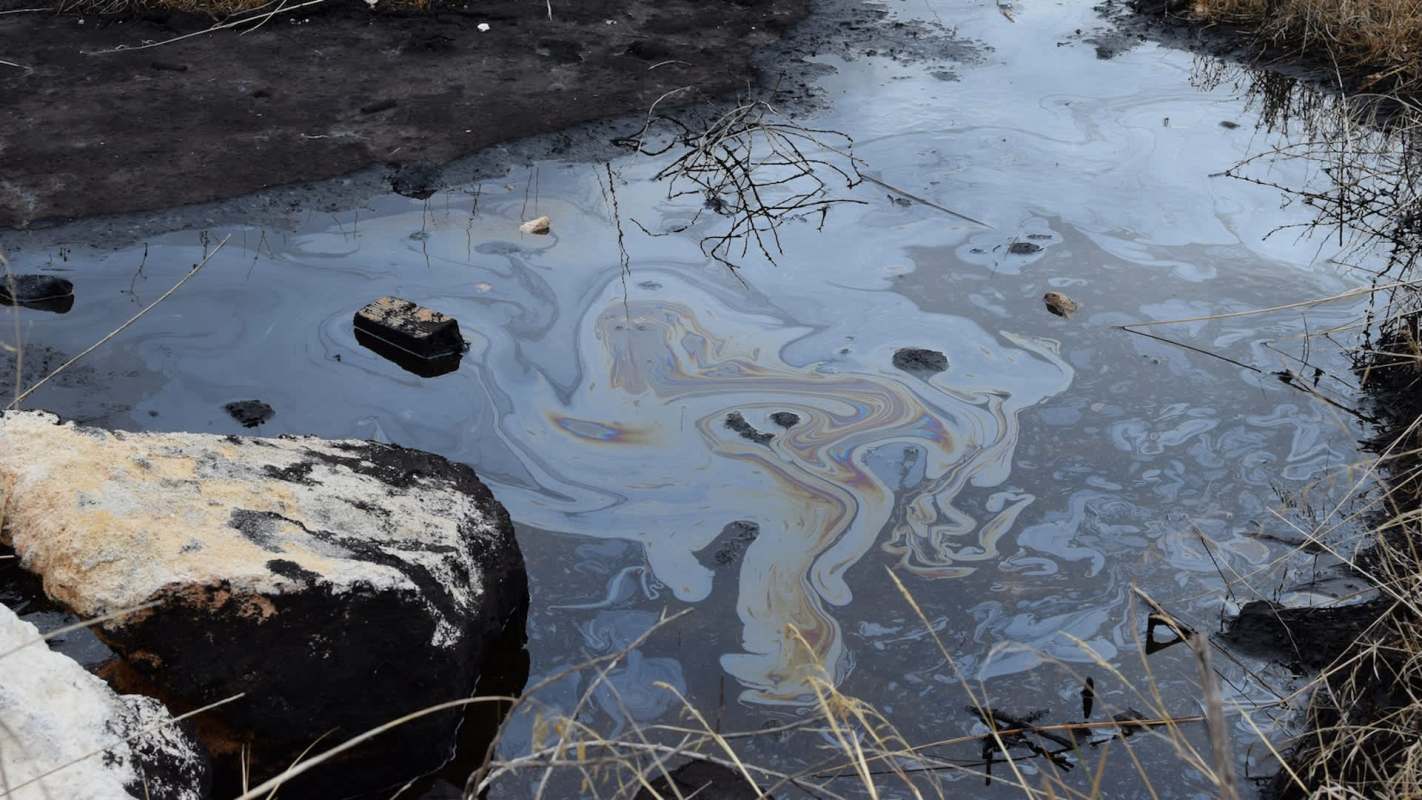
Residents of Cadiz, Ohio, have been dealing with an increasingly severe water crisis that has disrupted daily life, according to a report by Inside Climate News. Over the past several months, locals say their tap water has become discolored and developed an unpleasant odor.
What's happening?
The trouble began last summer when Cadiz issued a boil water advisory.
Stacey Greer, a local resident, started filling gallon jugs with tap water to monitor the issue.
"You can see like the tinge of yellows, and then I started testing those, and the pH level was high on them," she told Inside Climate News. "It's like, real thick, gooey, oily stuff."
Cadiz sources its water from nearby Tappan Lake, where village officials say extreme weather last summer stirred up sediment. Cracks in the concrete foundation of a filter at the local water treatment plant then allowed those sediments to enter the system, eventually reaching residents' taps.
For resident Tonya Shockey, the crisis has become a significant burden for her family. She diligently boiled water for months to bathe her toddlers, and she also boiled water for her 22-year-old son. Shockey recounted that her son even suffered an infection in a wound, which hospital documentation attributed to contaminated tap water.
TCD Picks » Quince Spotlight
💡These best-sellers from Quince deliver affordable, sustainable luxury for all




"They just act like it's nothing," she said, expressing her frustration with local leaders and the Ohio Environmental Protection Agency.
Why is water contamination concerning?
According to the Environmental Protection Agency, drinking water with unsafe levels of contaminants can lead to serious health issues, including gastrointestinal illnesses, chronic diseases, and harm to the nervous and reproductive systems.
Experts point to larger systemic issues. Climate-related patterns of droughts, heavy rain, and temperature swings can increase sediment in water sources and overwhelm treatment infrastructure.
Zia Lyle, a researcher at Carnegie Mellon University, emphasizes that many small water systems are not equipped to handle these changes, leaving rural communities especially vulnerable.
|
Which of these savings plans for rooftop solar panels would be most appealing for you?
Click your choice to see results and earn rewards to spend on home upgrades. |
 Save $1,000 this year 💸
 What's being done about the water contamination?
Cadiz has taken steps to address the crisis by replacing the plant's filter media and repouring the concrete foundation.
Consultants have also advised a full replacement of the main pipeline from Tappan Lake, a project that could cost more than $2 million.
Meanwhile, residents remain vigilant — consistently monitoring water quality and pushing local officials for greater accountability and long-term solutions.

Get TCD's free newsletters for easy tips to save more, waste less, and make smarter choices — and earn up to $5,000 toward clean upgrades in TCD's exclusive Rewards Club.







