


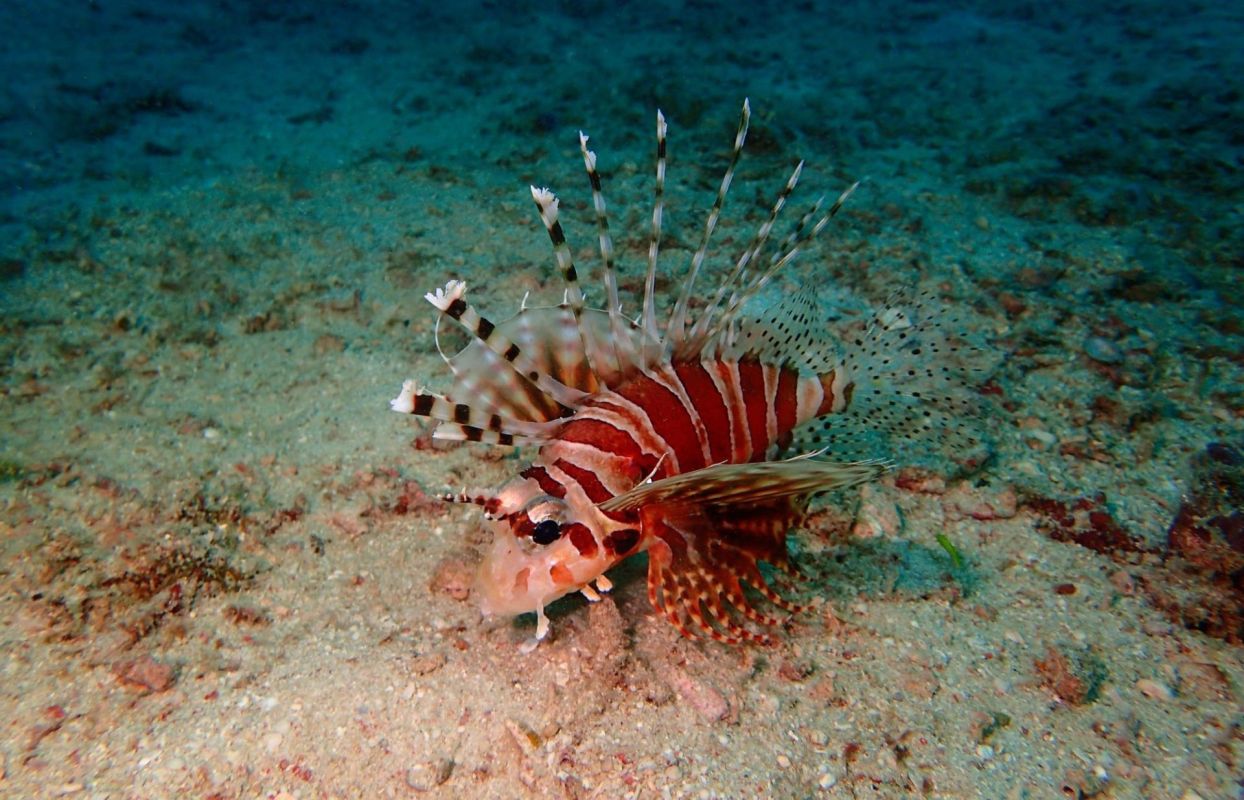
Around 25 years ago, lionfish were first observed along the North Carolina coastline.
Today, their population has grown so much that they have become a dominant marine predator, putting other species at risk and harming the natural environment.
As the USA Today Network reported, lionfish are an invasive species in North Carolina that are devastating the local ecosystem. These fish are native to the Indian and western Pacific Oceans but were introduced to the region through the aquarium trade.
Lionfish have found nearly ideal conditions in the warm Atlantic waters and are thriving off the coast of North Carolina. The invasive fish have been taking over their new territory because they have few native predators, eat a varied diet, reproduce fast, and can live in a wide range of habitats.
"The perfectness of this invader kind of blows your mind," said marine ecologist Dr. James Morris Jr., per the USA Today Network. "They're here now and established, whether we like it or not."
North Carolina's lionfish are altering reefs and competing with commercially vital fish for food and habitat. The region's waterways face additional pressures due to overfishing, pollution, and steadily rising temperatures.
TCD Picks » Quince Spotlight
💡These best-sellers from Quince deliver affordable, sustainable luxury for all




Given the species' broad range and high reproductive rates, experts say that the lionfish's total eradication is not feasible. However, it is possible to manage and reduce their population with targeted removal dives, by promoting lionfish as food, and with researching how native predator restoration could help.
Unfortunately, the invasive lionfish problem isn't exclusive to North Carolina. Lionfish are also living where they don't belong and destroying ecosystems in Florida, Cyprus, Turkey, and many other places.
However, changing public perceptions about lionfish can help them be seen as a culinary delicacy, with delicious recipes that encourage anglers to catch them for food.
To help prevent invasive species, consider sharing news stories like this with people you know. The story of the lionfish demonstrates how small human actions, like releasing aquarium fish into the open water, can have severe ecological consequences.
|
Which of these savings plans for rooftop solar panels would be most appealing for you?
Click your choice to see results and earn rewards to spend on home upgrades. |
 Save $1,000 this year 💸
 "Organizations, researchers, and wildlife agencies have reached the unanimous decision: to encourage people to hunt and fish for them without restriction," the Wonders Of Wildlife National Museum & Aquarium wrote. "People realize the importance of hunting this species to protect the natural reefs of the tropics."
"They are magnificent fish that are evolutionarily adapted to be awesome predators," said Hap Fatzinger from N.C. Aquariums, according to the USA Today Network. "It's just a shame they are here."

Get TCD's free newsletters for easy tips to save more, waste less, and make smarter choices — and earn up to $5,000 toward clean upgrades in TCD's exclusive Rewards Club.







