


Officials in Mississippi are promoting an increasingly popular conservation strategy: Eat invasive species that damage local ecosystems.
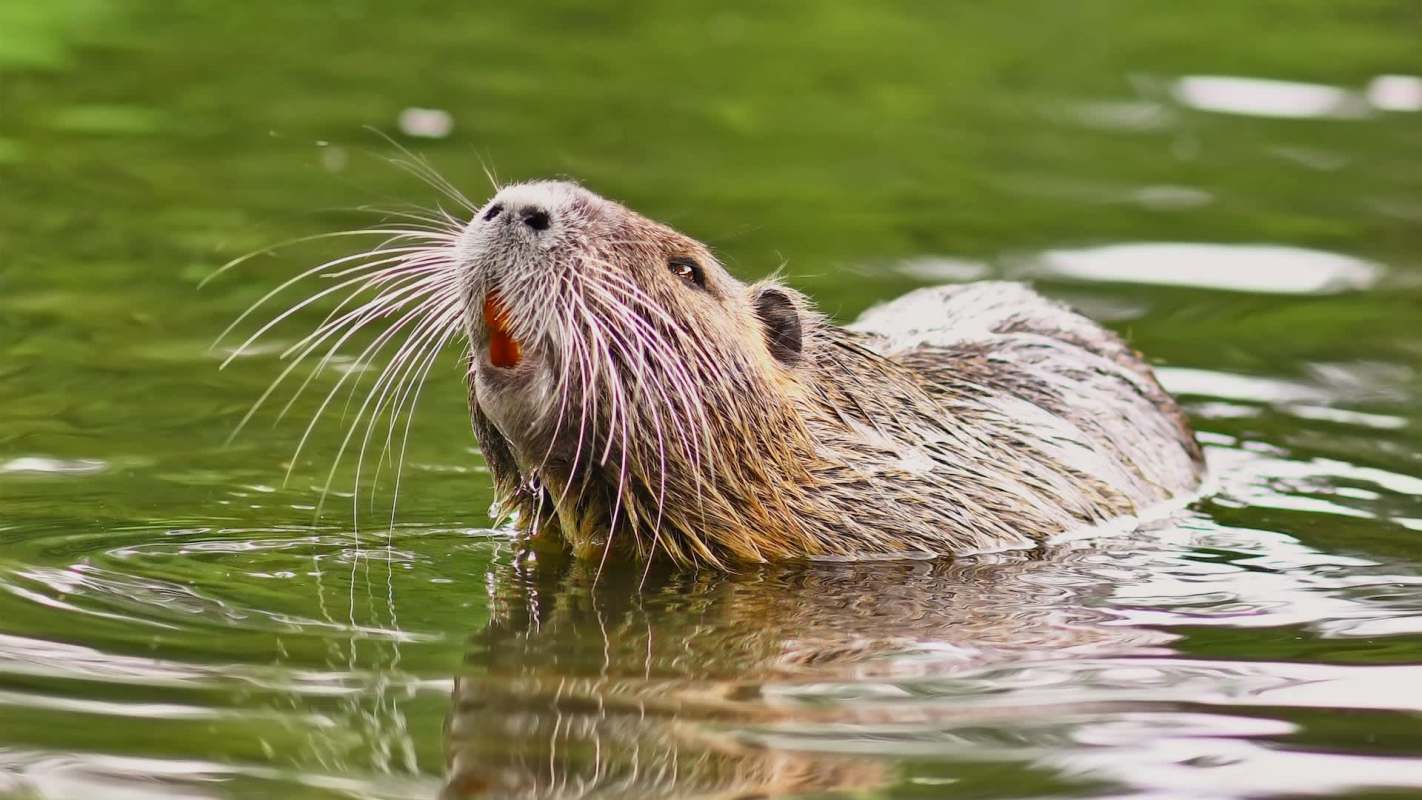
State and federal agencies are encouraging residents to help control populations of feral hogs and nutria — sometimes called swamp rats — by putting them on the menu, according to The Clarion Ledger. While the idea might surprise some, advocates say invasive species can be quite good. From wild boar barbecue chili to nutria gumbo, the possibilities are diverse.
Feral hogs and nutria are non-native species that have spread widely across parts of the South, causing extensive environmental and economic damage.
Feral hogs tear up farmland and forests as they root through soil searching for food, destroying crops and vegetation. Nutria — large, semi-aquatic rodents imported for the fur trade — can devastate wetlands by eating plants that stabilize shorelines and provide habitat for birds and fish.
Because these animals reproduce rapidly and lack natural predators, their populations can grow quickly if left unchecked. Officials say eating them can reduce their numbers as well as support local hunters and food systems.
The campaign reflects a growing movement known as Eat the Invaders, which turns a costly ecological problem into a tasty solution.
TCD Picks » Quince Spotlight
💡These best-sellers from Quince deliver affordable, sustainable luxury for all




The idea is gaining traction among chefs and food enthusiasts too. Wild hog meat is often compared to lean pork, while nutria has been described as similar to rabbit or dark turkey. Using the animals for food ensures they are not simply wasted after removal.
Some other invasive species to consider for dinner include the northern snakehead and carp (including bighead, silver, black, and grass), which the Fish and Wildlife Service calls "surprisingly tasty."
Controlling invasive species is critical for protecting native ecosystems. When nonnative animals dominate landscapes, they can outcompete native wildlife for food and habitat, destabilizing entire ecosystems. Reducing their numbers helps restore balance and supports biodiversity.
There are community benefits, too. Hunters and local businesses gain new economic opportunities through harvesting programs, while residents have better access to locally sourced protein.
For officials and conservation advocates, the message is simple: Tackling invasive species doesn't always require complex solutions. Sometimes, the most effective answer might start in the kitchen — by turning a destructive pest into a tasty meal.
|
Which of these savings plans for rooftop solar panels would be most appealing for you?
Click your choice to see results and earn rewards to spend on home upgrades. |
 Save $1,000 this year 💸
Get TCD's free newsletters for easy tips to save more, waste less, and make smarter choices — and earn up to $5,000 toward clean upgrades in TCD's exclusive Rewards Club.







