


Most people avoid anything labeled "nightshade," but one Redditor is encouraging foragers to give such an invasive plant a second look — and even eat it.
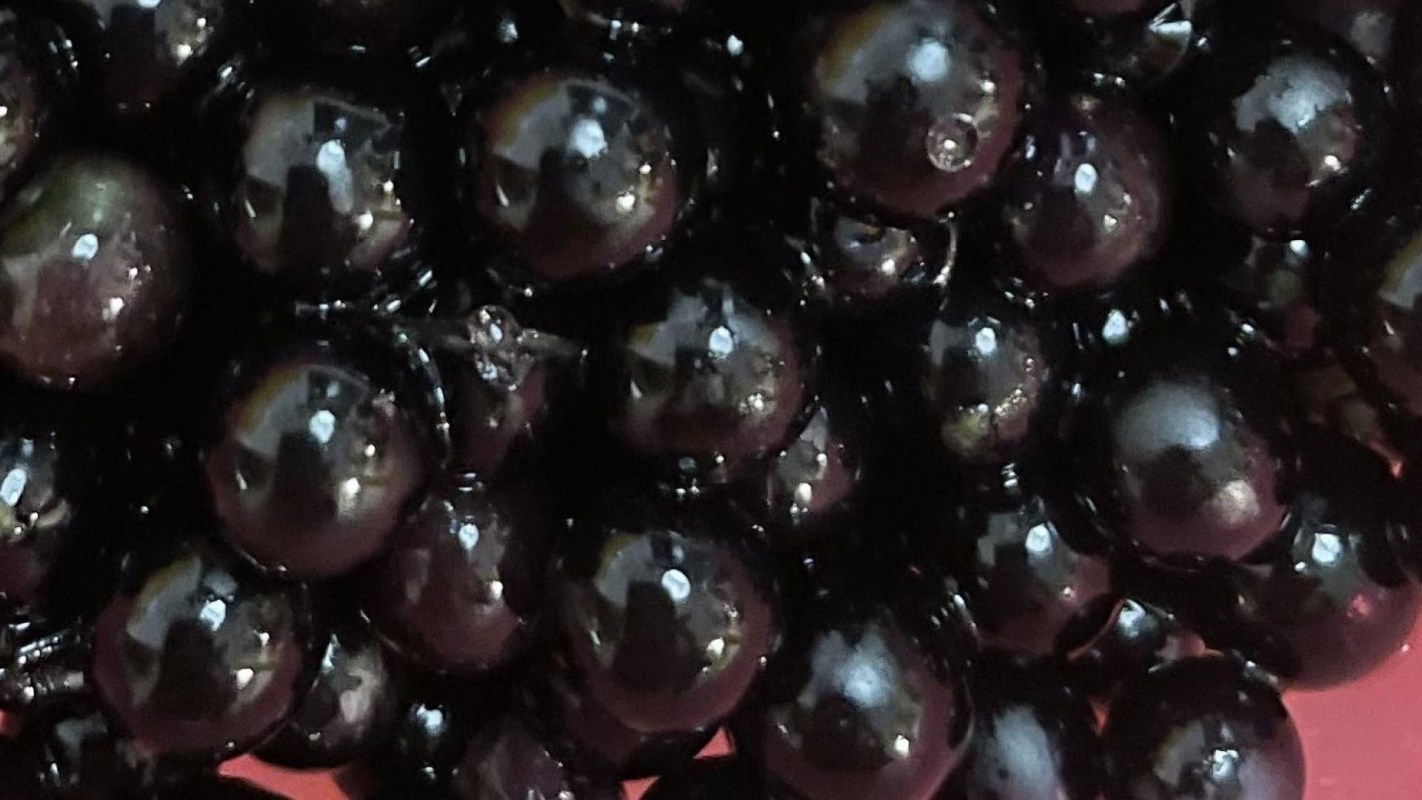
In a post on the r/foraging subreddit titled "Eat the invasives," a user shared a photo of Solanum nigrum berries. While the parent plant, commonly known as black nightshade, is often associated with toxicity warnings, the Redditor argued that the berries can be edible and suggested people try them cautiously, writing that solanine levels are typically low once the berries are ripe and emphasizing that green berries should not be eaten.
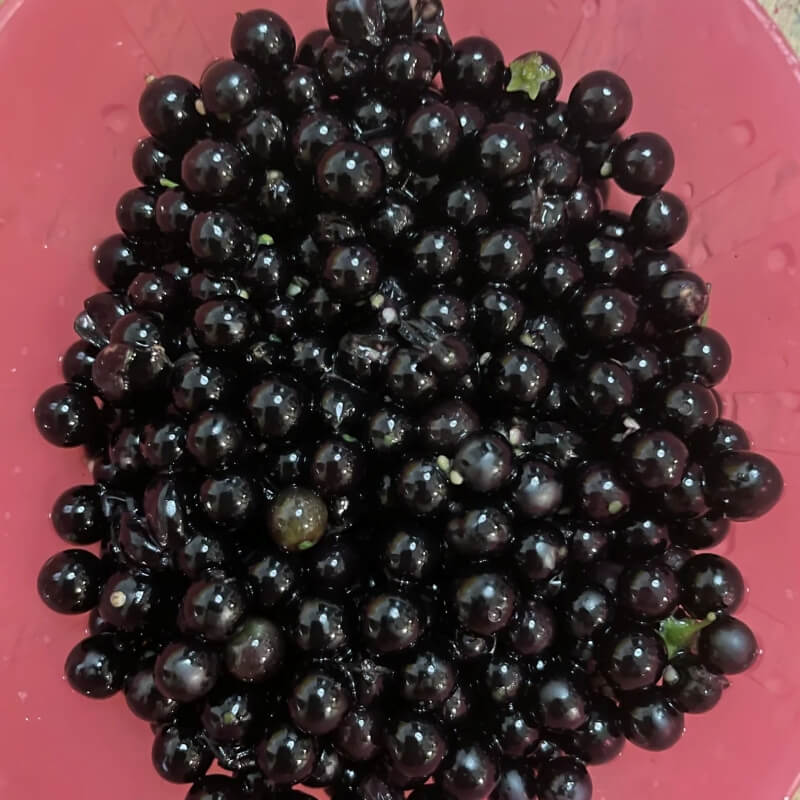
Black nightshade is considered an introduced species in much of North America and is often treated as a weedy or invasive plant in areas such as gardens, roadsides, and fields.
Like many invasive species, it can spread aggressively in certain regions, competing with native plants and disrupting local ecosystems.
Still, some foragers turn this into an upside: Harvesting invasive plants could be a small but meaningful way to reduce their spread while also getting free, local food.
One commenter backed up the idea, saying they harvested black nightshade regularly and stored it in bulk. "My freezer is packed with my harvest," they wrote, adding that the berries are "a good substitute for blueberries" in jam and smoothies if you add "enough sugar."
TCD Picks » Quince Spotlight
💡These best-sellers from Quince deliver affordable, sustainable luxury for all




That matters for consumers too, as blueberries and other berries can be expensive at the grocery store. Foraging — when done responsibly and safely — offers a low-cost way to supplement your diet while also reducing reliance on food shipped long distances.
But the post also highlights a key challenge with the "eat invasives" trend: plant identification and food safety. Black nightshade has close relatives and lookalikes, and solanine can be harmful in high concentrations, especially in unripe fruit. Experts and experienced foragers stress that people should consult multiple reputable sources before consuming any wild plant. Others recommend avoiding black nightshade if you have allergies or sensitivities to other types of nightshade.
Commenters echoed that caution, stressing the importance of proper investigation. "Of course, always do your research," the original poster wrote.
Others were excited by the idea of a free berry alternative. "I used to have so many of these around me. … I would've definitely picked some to use in smoothies to save a li'l money on blueberries and try something new!" one user wrote.
|
Which of these savings plans for rooftop solar panels would be most appealing for you?
Click your choice to see results and earn rewards to spend on home upgrades. |
 Save $1,000 this year 💸
Get TCD's free newsletters for easy tips to save more, waste less, and make smarter choices — and earn up to $5,000 toward clean upgrades in TCD's exclusive Rewards Club.







